A 14g poker chip, specifically, is a gambling token weighing 10 grams and measuring approximately 39 mm in diameter. It's a standard size in many poker games worldwide. Understanding its specifications is essential for poker enthusiasts, players, and even casino managers.
Let's delve into the intricacies of 14g poker chips, exploring their history, types, uses, and maintenance. This will provide a comprehensive overview, helping you make informed decisions whether you're a professional player, a casual gambler, or even considering starting your own games.
History and Evolution of Poker Chips
Poker chips, including the 14g variant, haven't always been the standardized objects we recognize today. Their history dates back to the mid-19th century, with early poker games using just about anything as currency, from gold dust to oyster shells.


It wasn't until the late 1800s that casino owners started using clay and ceramic chips. By the mid-20th century, the industry had settled on the standard sizes we use today, including the 14g poker chip.
Understanding Poker Chip Sizes
The 14g poker chip falls under the larger chip sizes, typically used in higher-stakes games. Here's a quick glance at common sizes:

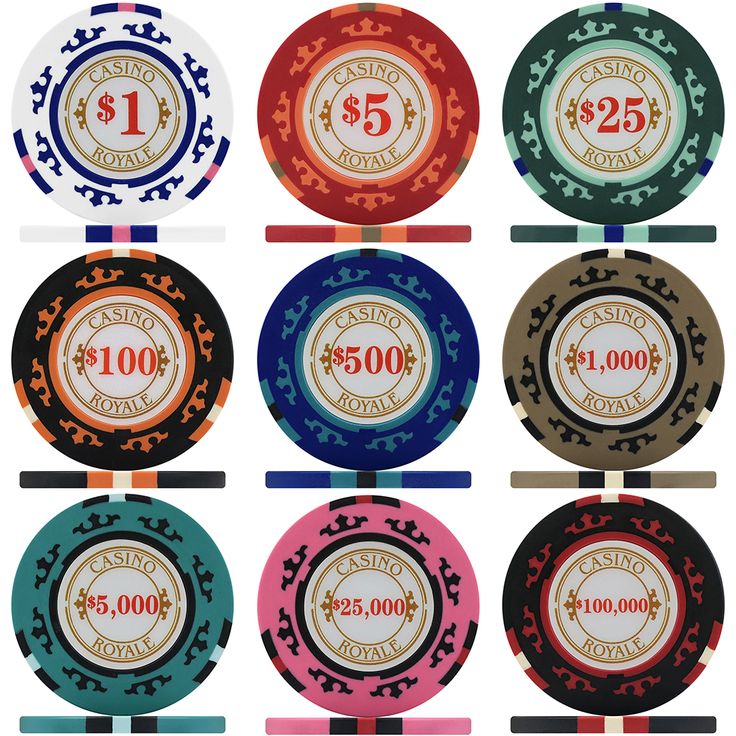
- White: 0.2g, 39.4mm
- Blue: 1g, 40mm
- 14g, 39mm (Focus of this article)
- 21g, 41mm
- 30g, 45mm
Variations in 14g Poker Chips
While the standard 14g poker chip is widely accepted, variations exist. Some casinos use 14.3g or 14.5g chips, altering the value slightly. Dies are also used to create chips with unique edges or letters, adding a layer of security.
Color also plays a significant role. While white chips represent $1 and black is a wildcard, other colors often denote specific denominations, such as blue for $5 or red for $25.
Uses and Maintenance of 14g Poker Chips
Large poker chips like the 14g variant are usually found in high-stakes games. They can also be used for tournaments, training tools for players, or decorative pieces in professional gaming environments.
Maintaining 14g poker chips involves proper handling. Store them separately from smaller chips to prevent damage, and avoid leaving them in damp or hot conditions. Regular cleaning can help maintain their color and sheen.
Running a Poker Game with 14g Chips
If you're running a game using 14g poker chips, ensure all players are aware of the value. Use a clear-cutchipping system to manage the cash-in process smoothly. Also, consider using pasta forers or poker software to ensure accurate payouts.
Regularly check your chips' condition and replace any damaged pieces. This helps maintain the game's integrity and aesthetic appeal.
In the ever-evolving world of poker, understanding the 14g chip is crucial. Whether you're a casual player or a seasoned pro, knowing the weight and size of your chips can help you make informed decisions. So, the next time you pick up a 14g poker chip, you'll appreciate its history and significance a bit more.