The 1968 Shelby GT500KR, a muscularmemorable muscle car, left an indelible mark on automotive history. This iconic vehicle, also known as the "Little Cobra," was a high-performance variant of the Ford Mustang GT500, boasting exceptional power and speed. Today, automotive enthusiasts and historians alike are drawn to the vintage charm and raw power of the GT500KR. Owning or restoring one often involves a deep dive into the world of original and reproduction parts.
Whether you're a seasoned collector or a rookie restorationist, understanding the parts that make up the 1968 Shelby GT500KR is integral. This article aims to provide a comprehensive overview of these parts, helping you appreciate the craftsmanship and power behind this American classic.
Key Components of the 1968 Shelby GT500KR
At the heart of the GT500KR lies its formidable engine, the 428 Cobra Jet V8. This powerhouse was responsible for propelling the KR to legendary status, delivering up to 520 horsepower and 525 lb-ft of torque.


Such prodigious power required robust drivetrain components. The GT500KR was equipped with an upgraded Top Loader four-speed manual transmission and a heavy-duty 9" rear-end with 4.11:1 gears, ensuring all that power made it to the pavement.
Chassis and Suspension
The GT500KR's chassis was fortified with a Competition Suspension Package, featuring beefed-up shock absorbers, heavy-duty leaf springs, and a large anti-roll bar. This setup enhanced handling and stability at high speeds.


Braking power came from vented front disc brakes and rear discs, providing the stopping power necessary to rein in the KR's mighty engine. These braking components, along with the suspension, were crucial for maintaining control in the heat of competition.
Exterior Features
The GT500KR's exterior bore the hallmarks of Carroll Shelby's design. The car sported an iconic white body with blue wraparound racing stripes, a fiberglass hood with functional NACA duct, and rear bumper delete, giving it a race-ready appearance. The signature Shelby side scoops and unique grille completed the look.
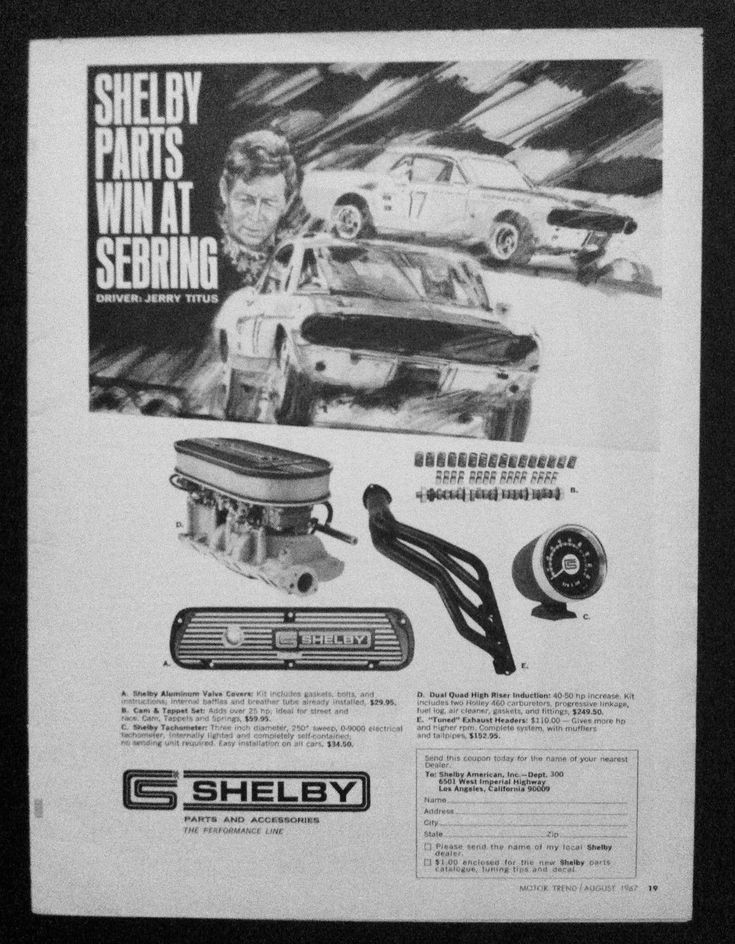
Under the hood, the KR featured a unique, high-rise intake manifold with dual four-barrel Holley carburetors, furtherörgoding its performance credentials. The engine's distinguishing Hui-laned heads and forged pistons added to its potency.




High-Demand Parts for Restoration and Upgrades
Restoring or upgrading a 1968 Shelby GT500KR involves sourcing a range of parts, from common components to rare, specialized pieces.
Original KR parts, such as the Shelby steering wheel, rear taillight panel, and original Marti Report, can command high prices due to their rarity. Thankfully, many reproduction parts are available today, allowing enthusiasts to restore authenticity without breaking the bank.
Reproduction Exterior Parts
Reproduction fiberglass hoods, bumpers, and grilles are widely available, helping owners restore or enhance the KR's iconic appearance. Also highly sought after are reproduction markings and decals, such as the Shelby Manufacturer's Plate and "KR" gas cap lid.

Replica aluminum wheels, wrapped in tire options ranging from period-correct to high-performance modern rubber, offer owners customization and upgrade opportunities.
Performance Upgrade Parts
The GT500KR's powertrain is a popular area for upgrades. Aftermarket crankshafts, H-beam connecting rods, and forged pistons can enhance the 428 Cobra Jet's output, with some enthusiasts pushing power beyond 600 horses.
Upgrade options also extend to the drivetrain. Upgraded transmissions, such as the Tremec T-5 or even the ZF S5-42 four-speed from classic Mustangs, can handle increased power and provide smoother shifting. Upgrades to the rear-end, such as limited-slip differentials and strengthened axles, can improve traction and durability.
Whether you're a first-time restorationist or an experienced collector, understanding the 1968 Shelby GT500KR's parts is essential for preserving and enhancing these legendary muscle cars. From the KR's original, powerful heart to the rare and reproduction parts that sustain its legacy, each component tells a story of American automotive history.