The 1969 Shelby GT500, a powerhouse of American muscle cars, is renowned for its breathtaking performance and stunning design. Under the hood lies a beast that has captivated car enthusiasts worldwide – the 428 cubic-inch V8 engine. This article delves into the engine specifications, power, torque, and design of the 1969 Shelby GT500's mighty mill.
The 1969 Shelby GT500's Cobra Jet engine, as it was officially known, was a evolution of Ford's 390 V8. Paired with a modified four-speed manual transmission, it promised an exhilarating driving experience that lived up to its iconic Carroll Shelby aesthetic.
Engine Specifications
The Cobra Jet engine, punched out from 390 to 428 cubic inches, was not just about displacement. It featured a forged steel crankshaft, linking rods, and pistons, along with a revamped rotating assembly designed to withstand the additional power and torque.


Cylinder heads on the Cobra Jet were even more impressive. Equipped with larger valves and ports, they allowed for improved airflow, while the high-performance camshaft delivered enhanced valve timing. The resultant engine was not only beefier but also more responsive than its predecessors.
Power and Torque
The 1969 Shelby GT500's engine generated a then-astounding 355 horsepower at 5200 RPM, with 420 lb-ft of torque available at 3400 RPM. This immense power output, channeled through a robust four-speed manual transmission, allowed the car to accelerate from 0-60 mph in around 6.5 seconds – an astonishing feat for its time.


The combination of raw power and robust torque delivery allowed the GT500 to blast through the quarter-mile drag in just 14.5 seconds, making it one of the most formidable performance cars of its era.
Engine Design and Technology
At its core, the Cobra Jet engine showcased a conventional, manually-ported small-block design. It featured a two-bolt mains pattern with a ' Prove-it-on-the-Street' cam that yielded an excellent power curve throughout the RPM range.
Some notable features of the engine included a dual-point distributer with centrifugal advance, a mechanical fuel pump feeding a Carter AFB carburetor, and an emissions-controlled exhaust system, reflecting the growing Importance of emissions regulations during this period.


The 1969 Shelby GT500's Performance Package
The Cobras' dominance on the drag strip came from more than just its engine. The 1969 Shelby GT500 included the "Drag Pack" and "Super Cowl Induction Air-Duct" package as optional upgrades, enhancing its quarter-mile prowess.
The Drag Pack encompassed a heavy-duty front and rear suspension, stronger half-shafts, and a Traction-Lok differential. The Super Cowl Induction Air-Duct featured a functional, NACA-style hood scoop connected to the air cleaner, further improving engine breathing and power output.
Impact and Legacy
The 1969 Shelby GT500's muscle-car dominance cemented the Cobra Jet engine's reputation. Ford continued using the Cobra Jet in the Mustang lineup and other vehicles until 1970, leaving an indelible mark on the muscle-car era.



Today's Enthusiasts
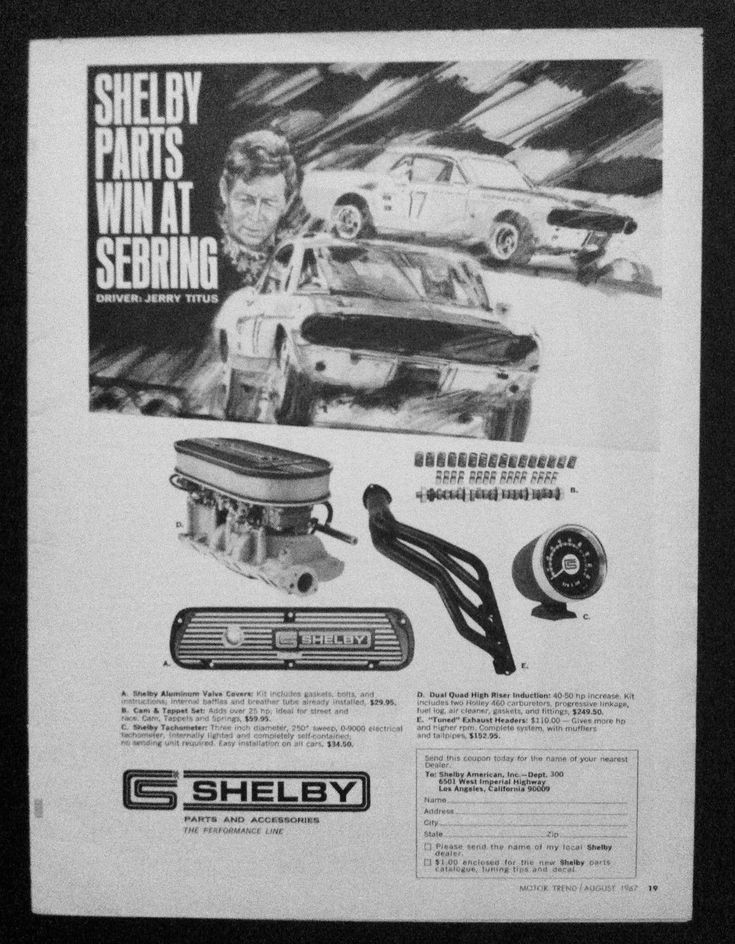
The Cobra Jet engine's robustness and performance captivate enthusiasts today. Replica parts and memories of the powerful engine inspire nostalgia and admiration. Restoration projects bring these icons back to life, preserving the legacy of Carroll Shelby's timeless creation.
As we look forward to modern muscle-car innovations, we can't help but appreciate the raw, unapologetic power of the 1969 Shelby GT500's Cobra Jet engine. It's not just about the horsepower or torque – it's about the connection to an iconic past and the anticipation of equally thrilling futures.