When it comes to selecting the perfect tires for your vehicle, two popular choices often come into play - 265 70R16 and 285 75R16. Both are robust tire sizes, but they cater to different needs and vehicle types. Let's delve into a detailed comparison to help you make an informed decision.
To understand these tire sizes, it's essential to grasp their components. The first number (265 or 285) represents the tire's width in millimeters. The second number (70 or 75) signifies the aspect ratio - the height of the tire's cross-section as a percentage of its width. The 'R' denotes radial construction (the most common type), and the '16' is the diameter of the wheel in inches.
Understanding 265 70R16 Tires
The 265 70R16 tire dimension is commonly used in light trucks, SUVs, and performance sedans. Here's a closer look at what these numbers mean in terms of performance and compatibility.


With a narrower width (compared to 285 75R16), 265 70R16 tires typically offer better handling and responsiveness due to less rubber-making contact with the road. This makes them an excellent choice for sporty driving and track days.
Advantages of 265 70R16 Tires
Handling and Responsiveness: Their smaller footprint helps transfers more grip to the road, improving cornering and maneuverability.


Noise levels: Due to less rubber contacting the road, they tend to produce fewer decibels compared to wider tires.
When to Avoid 265 70R16 Tires
ansson's edge in off-roading and snow traction due to a larger contact patch. In harsh winter conditions or heavy-duty off-road use, 285 75R16 tires might be more suitable.
refugees for high @{}


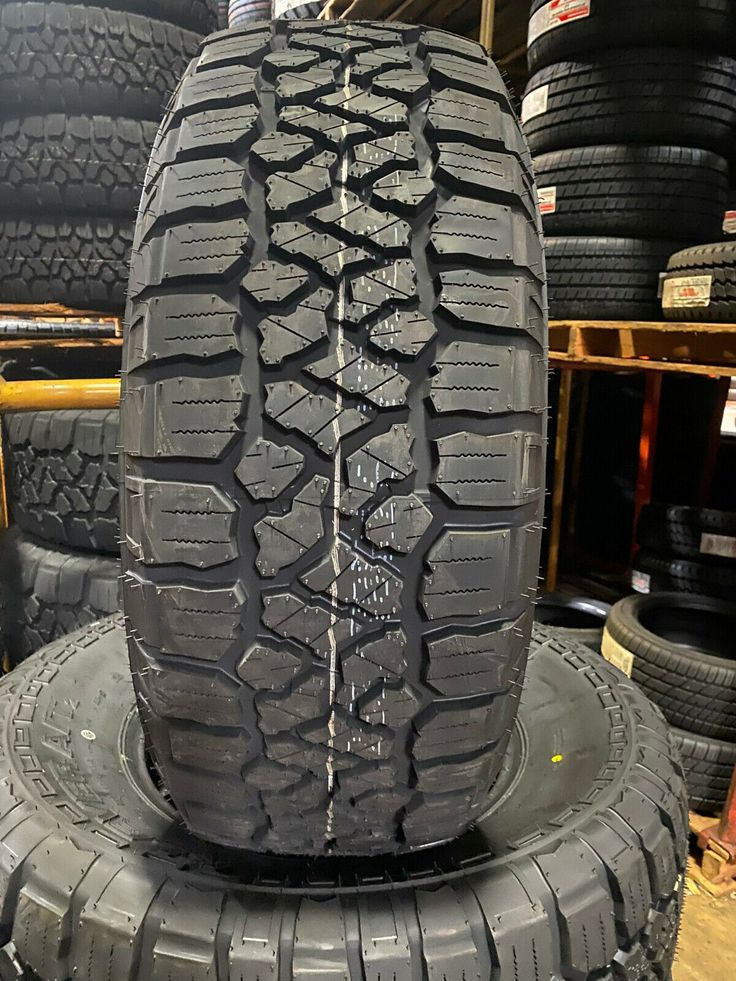


Examining 285 75R16 Tires
The 285 75R16 tire size is popular among off-road enthusiasts, heavy-duty trucks, and vehicles requiring more grip and stability. Let's explore its benefits and drawbacks.
With a wider tread (285mm vs 265mm), these tires offer increased stability and confidence while towing or carrying heavy loads. The higher aspect ratio (75% vs 70%) provides a larger, more stable footprint, enhancing grip and traction in various road conditions.
Benefits of 285 75R16 Tires
Improved traction: A larger contact patch means better grip and stability on various terrains and road conditions.


Enhanced load-carrying capabilities: These tires can handle heavier loads and towing better than narrower tires.
Downsides of 285 75R16 Tires
Potential reduced responsiveness: Due to a larger footprint, they may feel less direct in handling compared to narrower tires.
Increased noise levels: The additional rubber in contact with the road creates more noise during driving.
In the end, the choice between 265 70R16 and 285 75R16 tires depends on your specific vehicle, driving style, and needs. It's crucial to consider factors like towing capacity, off-road use, and your preference regarding handling and noise levels. Always consult your vehicle's owner's manual to ensure you're making an informed decision. Happy driving!