When comparing tire sizes, it's essential to understand the intricate details to make an informed decision. Two common tire sizes that often confuse consumers are 275/65 R17 and 285/70 R17. Both these tires are designed for various vehicles, but they cater to different driving needs. Let's dive into the specifics of each tire size and understand their differences.
To begin with, tire sizes are denoted by a three or four-digit number followed by letters (e.g., 275/65 R17). The first two digits indicate the tire's width in millimeters; the number after the slash denotes the tire's aspect ratio, which is the ratio of the tire's height to its width; 'R' stands for radial construction; and the number after 'R' is the tire's inner diameter in inches.
Tire Width: 275 vs 285
The most notable difference between these two tire sizes is their width. Tire width significantly impacts traction, stability, and overall performance. A wider tire typically provides better grip and stability, particularly at higher speeds and during cornering.


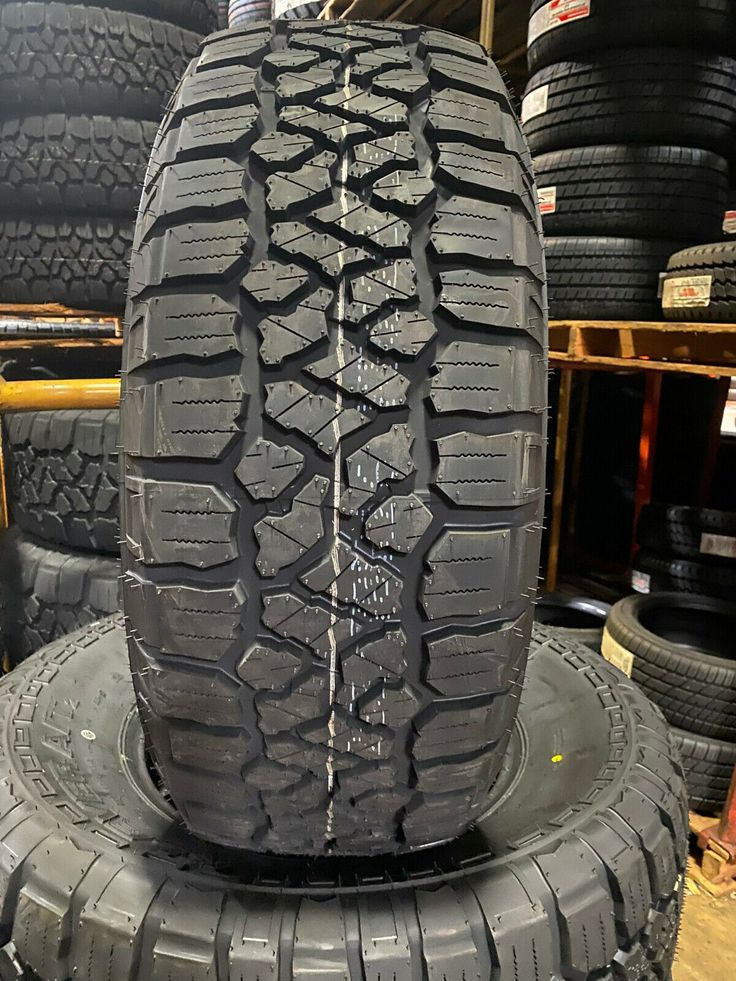
The 285/70 R17 tire is wider than the 275/65 R17 tire, offering more contact patch with the road. This enhanced grip can lead to improved handling and enhanced braking performance. However, it's crucial to note that wider tires may offer a slightly firmer ride due to increased sidewall stiffness.
Vehicle Clearance
Before opting for wider tires, it's crucial to ensure they fit within your vehicle's clearance. Installing wider tires without proper clearance can lead to rubbing against the vehicle's body, breeding issues, or even damage. Always check your vehicle's manual for recommended tire sizes and clearances.


Although 285 tires typically fit without issues, they might require minor adjustments to suspension or fender liners for some vehicles.
Aspect Ratio: 65 vs 70
The aspect ratio of a tire influences its profile. A smaller aspect ratio results in a shorter, wider tire, while a larger aspect ratio results in a taller, narrower tire.
The 275/65 R17 tire features a smaller aspect ratio, offering a more planted stance with better lateral stability. In contrast, the 285/70 R17 tire has a larger aspect ratio, providing a taller profile that can improve ride comfort and absorption over uneven roads.


Tire Size and Speed Rating
Tire speed ratings are denoted by letters, with 'L' being the lowest and 'Y' the highest. Off-road tires often have no speed rating. Although both sizes can come with various speed ratings, the most common for everyday use are 'H' (up to 130 mph) and 'V' (up to 149 mph).
While both sizes can handle high speeds, the specific speed rating depends on the tire manufacturer and model. Always check the tire's sidewall to determine its actual speed rating.
Traction and Noise Levels
Tire size can also impact traction and noise levels. Generally, wider tires with smaller aspect ratios offer better traction, while tires with larger aspect ratios can provide a quieter ride due to their improved ability to absorb road vibrations.


However, it's essential to remember that superior traction and low noise levels depend on the tire's construction, materials, and specific tread design, not just the tire size.
In summary, the choice between 275/65 R17 and 285/70 R17 tires ultimately depends on your specific driving needs, vehicle compatibility, and personal preference. While wider tires like 285/70 R17 often provide better grip and stability, they might not be the best fit for all vehicles or driving conditions. Always consult your vehicle's manual and consider professional advice when selecting tires to ensure optimal performance and safety.