The cryptic "285 40 r18" isn't a puzzle from a spy novel, but rather a common vehicle tire size designation, widely used in the automotive industry. Let's delve into the meaning behind these numbers, explore their significance, and understand how they influence your driving experience.
At first glance, "285 40 r18" might seem confusing, but breaking it down reveals a simple and logical system. It's high time we demystify this code and empower you to make informed decisions about your vehicle's tires.
Understanding the Numbers in Tire Sizing
The three-digit sequence, "285 40 r18", follows a standard format for describing tire size. Each number and letter provides crucial information about the tire's dimensions and type.


So, let's embark on a journey to unravel the code with our first stop at the width of the tire.
Tire Width - 285
The first number, 285, signifies the tire's width in millimeters. It's measured from the edge of the tire's outer tread to the other side, when mounted on the vehicle.


This measurement influences the grip and traction on the road. A broader tire typically provides better traction, especially in slippery conditions, at the cost of reduced fuel efficiency and potential maneuverability. Thus, it's essential to balance these factors based on your driving needs and the vehicle's specifications.
Aspect Ratio - 40
The two-digit number following the tire width, 40, represents the aspect ratio. It's the percentage of the tire's height to its width.
Aspect ratios can vary significantly, impacting both traction and ride comfort. Lower aspect ratios, like our 40%, offer a more squared-off profile, enhancing handling and cornering grip on dry pavement. In contrast, higher aspect ratios provide a taller, narrower profile, often found in cars designed for sporty performance or a smoother ride.


The Importance of Wheel Rim Size - r18
The letter 'r' in the tire sizing code denotes the rim size, or the diameter of the wheel on which the tire is mounted. Following the 'r' is our number of interest, 18, which is measured in inches.
Choosing the right rim size is critical for safety and vehicle aesthetics. A tire that's too large for the rim can cause rubbing with suspension components, affecting both performance and lifespan. Conversely, a tire that's too small may not seat correctly, leading to air leaks or vibration.
Safety and Stability
The rim size, along with the tire's size and type, impacts handling, stability, and braking distances. A mismatched tire and rim combo can potentially compromise safety, making it crucial to respect the vehicle's original equipment manufacturers (OEM) specifications.


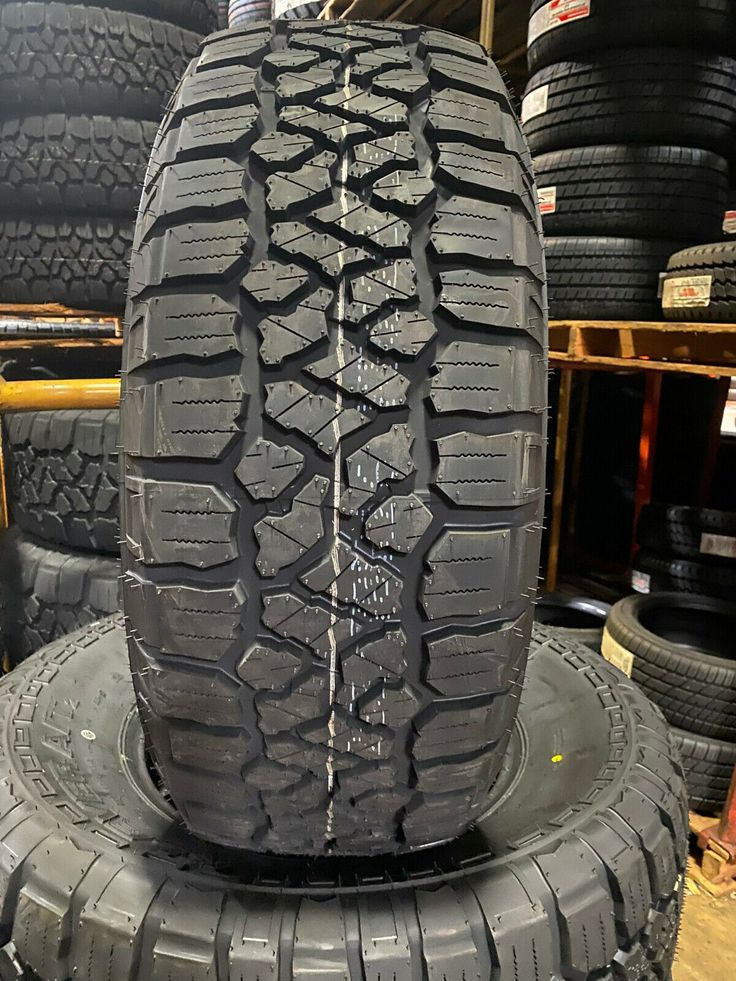
However, personal preference and creative tire and wheel combinations can enhance the vehicle's appearance, scratch a need for better handling, or even improve fuel efficiency.
Styling Your Vehicle
The rim size also influences the look of your vehicle. A larger rim and tire combination can add a more sporty or aggressive appearance, while smaller rims may convey a more luxurious feel.
Subsequently, upgrading or downgrading rim size, along with the appropriate tire width and aspect ratio, can significantly alter your vehicle's aesthetics, a fact enthusiasts and car customizers have long understood and embraced.
Regardless of the path you choose—staying with the OEM recommended tires or experimenting with different sizes and styles—it's essential to prioritize safety, understand the nuances of tire sizing, and make informed decisions with every tire change or rim upgrade. Remember, tires are not a one-size-fits-all investment. They affect your vehicle's performance and safety, so take the time to understand their coding and choose wisely.