If you're in the market for new tires, chances are you've come across the terms 285/60R20 and 295/60R20. These tire size codes may seem similar, but they denote significant differences in tire dimensions. Let's delve into a comprehensive comparison of these two tire sizes to help you make an informed decision.
Before we dive into the details, understanding the tire size codes is crucial. These codes represent the tire's width, aspect ratio (the ratio of the tire's height to its width), and diameter. 'R' denotes radial construction, while the number after 'R' signifies the tire's inner rim diameter.
Understanding the Size Difference
The primary difference between these two tire sizes lies in their width. The first number in a tire's size code represents the tire's width in millimeters. In this case, the 285/60R20 tire is 285mm wide, while the 295/60R20 tire has a width of 295mm.


Though the difference seems marginal, the 295/60R20 tire provides a wider contact patch with the road, offering increased stability at high speeds, particularly during cornering. This is a notable advantage for those driving high-performance or heavy-duty vehicles.
Vehicle Compatibility
The difference in width also means these tires are suited to different vehicles. The 285/60R20 tire is typically used with vehicles like the Ford Mustang, Audi A8, and the BMW X5. Conversely, the 295/60R20 tire is often found on vehicles like the Dodge Challenger, Chevrolet Camaro, and the Jeep Grand Cherokee SRT.


Before opting for either size, ensure they're compatible with your vehicle's make, model, and year. Consult your vehicle's owner's manual for the recommended tire size.
Traction and Performance
The width isn't the only differentiating factor. The 295/60R20 tire's wider tread leads to increased road grip, providing enhanced traction and, consequently, improved performance. This is particularly noticeable during gravel driving or in slippery conditions.
Yet, the 285/60R20 tire isn't left behind in terms of performance. Despite its narrower tread, it offers a suitable balance of grip and maneuverability. Furthermore, it's lighter than the 295/60R20 tire, which can lead to slightly improved fuel efficiency and lower rolling resistance.


Aspect Ratio and Diameter Considerations
Setting aside the width difference, both tire sizes share an aspect ratio of 60 and an inner rim diameter of 20 inches. The aspect ratio indicates the tire's height relative to its width. A 60-series tire has a height that is 60% of its width. This results in a medium-profile tire, offering a reasonable balance between comfort and performance.
The 20-inch rim diameter is common on sporty and luxury vehicles. This size accommodates various tire designs, from high-performance summer tires to heavy-duty all-terrain tires, providing ample flexibility based on your driving needs.
Price and Availability
The 295/60R20 tire, given its narrower width and lighter weight, is generally more affordable than its 295/60R20 counterpart. However, this price difference can vary widely depending on the brand, type, and model of the tire. Always compare prices from different manufacturers and retailers to get the best deal.
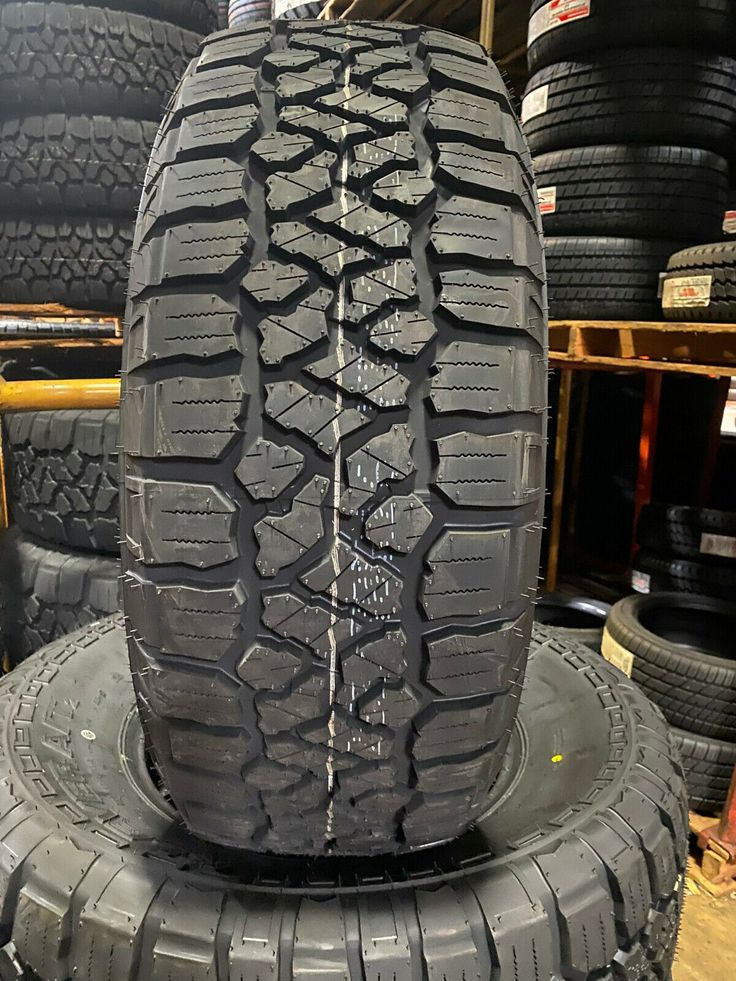


In terms of availability, both sizes are widely stocked by major tire brands and retailers. Nevertheless, the 285/60R20 tire may be easier to find owing to its broad use in various vehicles. If you're having difficulty finding either size, consider a local tire shop or an online retailer with a wide selection.
In the end, the choice between 285/60R20 and 295/60R20 tires comes down to your vehicle's requirements and your personal preferences. If you crave the added stability and traction that a wider tire offers, the 295/60R20 might be your ideal fit. However, if you're seeking a more budget-friendly option or a tire that balances performance with comfort and efficiency, the 285/60R20 could be the way to go. Always remember to consult your vehicle's owner's manual for the recommended tire size and rotate your tires regularly for optimal performance and longevity.