For those involved in the automotive or tire industry, the phrase "285 tire" often elicits thoughts of a specific type of tire. But what exactly does "285" mean in this context? It's not a tire's brand or model, but rather a size indicator. So, what is a 285 tire equal to in terms of measurement and performance?
In the tire size code, "285" represents the tire's width in millimeters. It's part of the tire size coding system that also includes the aspect ratio, construction type, and diameter. But let's first understand what a 285 tire is equivalent to in traditional measurement units.
Understanding Tire Sizes
The tire size code can be confusing, but it's a universally accepted system in the automotive industry. The three-digit number, in this case, 285, refers to the tire's width in millimeters. So, what is a 285 tire equal to in inches?


To convert from millimeters to inches, we use the conversion factor 1 inch = 25.4 mm. Thus, a 285 tire is approximately 11.26 inches wide. This measurement is taken from one sidewall to the other, across the widest part of the tire.
What Does a 285 Tire Mean for Vehicle Handling?
Tire width significantly influences how your vehicle handles, corners, and grips the road. A 285 tire is considered a wide tire, often used on larger vehicles like SUVs or high-performance sedans. Wider tires provide a larger contact patch with the road, enhancing traction and cornering grip.

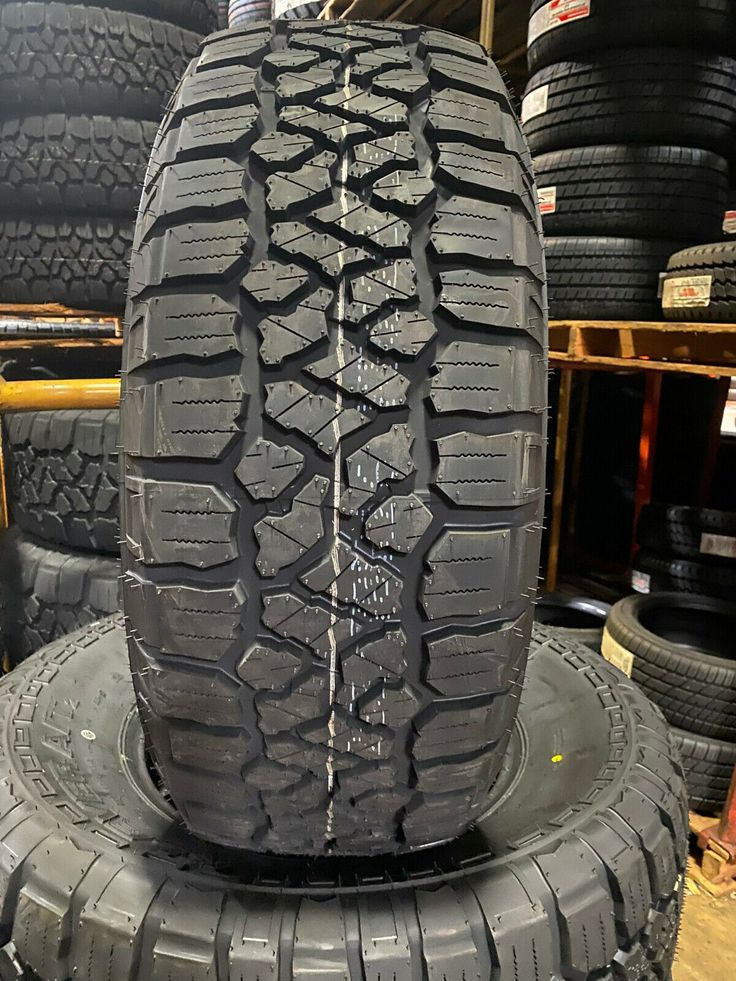

However, they may also affect your vehicle's steering response due to increased tire stiffness. This can result in a slightly firmer ride, but it's generally a fair trade-off for improved handling and performance. Always check your vehicle's manufacturer guidelines to ensure the recommended tire width for optimal performance.
Other Components of the Tire Size Code
The tire size code includes more data than just the tire's width. The aspect ratio, for example, is represented by a two-digit number following a ".", after the tire width. It indicates the tire's height as a percentage of its width. The lower the aspect ratio, the wider and shorter the tire.
The construction type is indicated by the last letter or letters in the size code (e.g., R, LR, ZR). It refers to the tire's internal construction, which can affect performance, comfort, and handling. Finally, the diameter is usually listed separately, though it's sometimes implied by the tire's size code.


285 Tire Applications
Given their size and performance characteristics, 285 tires are often used on heavy-duty and high-performance vehicles. But what does a 285 tire equal in terms of vehicle models and types?
285 tires are commonly found on larger SUVs, light trucks, and sports cars. They can also be used on vehicles requiring wider tires for increased traction or enhanced performance. However, they are not suitable for all vehicles due to potential fitment issues or changes in handling dynamics.
Popular 285 Tire Models
There are numerous tire models with a 285 size. Some popular ones include the Michelin Pilot Super Sport, the Goodyear Eagle F1 SuperSport, and the Continental ExtremeContact Sport.


These are all high-performance summer tires, designed for maximum grip and cornering speeds. However, 285 tires come in various types, including all-season, winter/snow, and all-terrain tires. Always choose a tire type suited to your driving conditions and vehicle requirements.
In conclusion, a 285 tire is equal to approximately 11.26 inches in width, providing increased grip and traction for optimized vehicle handling. However, this also affects steering response and ride comfort. Always consider your vehicle's manufacturer guidelines when choosing tires. The next time you see "285" on a tire, you'll now understand what it means and what it equals to. Happy driving!