When it comes to selecting the right tire size for your vehicle, the decision often comes down to two popular options: 285 and 305. Both sizes have their unique advantages and suitability depends on a variety of factors. But which one should you choose? Let's dive into the details and clear up any confusion.
First, it's crucial to understand that tire sizes are typically represented with a three-digit number followed by an aspect ratio and a wheel diameter (e.g., 285/75R16). In this comparison, we're focusing on the width of the tire indicated by the first three digits: 285 and 305.
Tire Width: 285 vs 305
The primary difference between 285 and 305 tire sizes lies in their width. A 305 tire is 20mm wider than a 285 tire. This difference might seem small, but it can significantly impact your vehicle's performance, handling, and aesthetic.


Grip and Traction
A wider tire, like the 305, provides a larger footprint on the road, increasing contact patch with the ground. This results in enhanced grip and better traction, especially in slippery conditions. The 305's wider stance can help improve cornering and stability at higher speeds.
However, wider tires also have a larger surface area that can generate more resistance against the road. This increased friction might result in slightly higher fuel consumption compared to the 285 tires.


Vehicle Stance and Appearance
The broader width of the 305 tire can give your vehicle a more muscular, aggressive look, enhancing its overall appearance. Moreover, the increased width can help fill out the wheel well, giving your ride a sleeker, more polished look.
On the other hand, a 285 tire might provide a more balanced, stock-like appearance, which could be preferable depending on your vehicle and personal preferences.
Aspect Ratios and Sizes
While the wheel width is a crucial factor, other aspects of the tire size, such as the aspect ratio and diameter, can also affect your vehicle's performance. Always ensure that the overall tire size matches your vehicle's recommendations for optimal results.


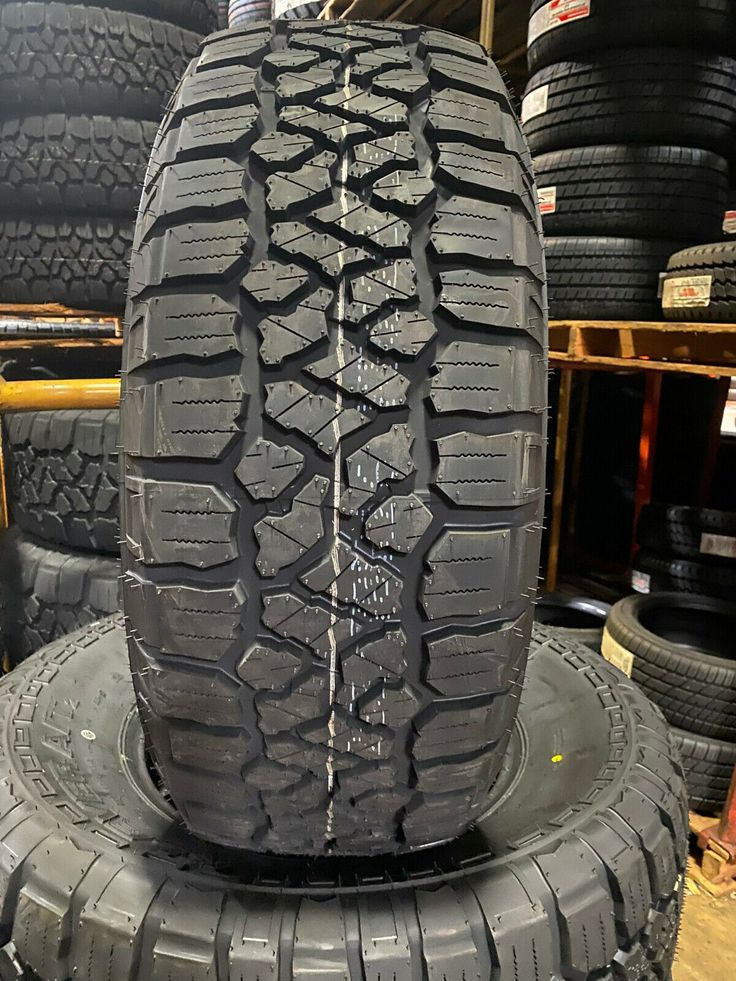

Aspect Ratios
Aspect ratios in tire sizing refer to the height of the tire's cross-section as a percentage of its width. Lower aspect ratios make for wider, shorter tires, while higher aspect ratios result in narrower, taller tires. The aspect ratio can influence your vehicle's handling and driving dynamics, so it's essential to consider your specific needs.
Wheel Diameter
The wheel diameter is the final piece of the tire size puzzle. Larger diameters can accommodate wider tires, enhancing stability and appearance. However, they may require spacers or lifts to clear your vehicle's fenders and suspension components.
Ultimately, the choice between 285 and 305 tire sizes depends on your vehicle's specific needs, your driving habits, and personal preferences. For an aggressive, stable ride with enhanced traction, a 305 tire might be the way to go. But if you prefer a more balanced, stock appearance and don't mind sacrificing some traction, the 285 tire could be the better choice. Consider consulting your vehicle's owner's manual or a professional technician for tailored advice.

