When it comes to tires, size and dimensions play a crucial role in determining the performance and compatibility with your vehicle. Two common tire sizes that often lead to comparisons are 285/60R20 and 295/60R20. Understanding the differences and similarities between these two tire sizes can help you make an informed decision when choosing new tires.
At first glance, these two tire sizes might seem quite similar. Both have the same rim diameter (20 inches) and aspect ratio (60), which refers to the ratio of the tire's height to its width. However, there's a notable difference in the width of the tires, with the 295/60R20 being 10mm wider than the 285/60R20. This slight difference in width can have a significant impact on various aspects of your vehicle's performance.
Traction and Grip
The width of a tire directly affects its contact patch, the area where the tire makes contact with the road. A wider tire, such as the 295/60R20, has a larger contact patch, which can provide better grip and traction, especially in wet or slippery conditions. This can be particularly beneficial for those who live in areas with frequent rain or snow.


However, a larger contact patch also means that there's more rubber in contact with the road, which can lead to increased tire wear over time. So, while a wider tire might offer better grip, it may also come with a trade-off in terms of tire lifespan.
Handling and Stability
The width of a tire can also influence handling and stability. A wider tire, like the 295/60R20, can provide better cornering stability due to its larger footprint. This is because the tire has a larger area to transfer lateral forces during cornering, which can result in improved responsiveness and maneuverability.


On the other hand, a wider tire can also have a higher rolling resistance, which means it requires more energy to keep it moving. This can lead to slightly reduced fuel efficiency compared to a narrower tire like the 285/60R20. So, while a wider tire might improve handling, it could also potentially impact your vehicle's fuel economy.
Cost and Availability
When choosing between these two tire sizes, cost and availability are also important factors to consider. Generally, wider tires tend to be more expensive than their narrower counterparts. Therefore, the 295/60R20 tires might carry a higher price tag than the 285/60R20 tires. Additionally, the availability of these tires can vary depending on the manufacturer and your location, so it's important to check with your local tire shop or online retailers.
Moreover, wider tires might not always fit perfectly on your vehicle's rims. Before making a purchase, it's crucial to ensure that the selected tire size is compatible with your vehicle's rims and that there's enough clearance for the tire to fit properly while preventing any rubbing against the vehicle's components, such as the fenders or suspension.


Compatibility and Fitment
Before deciding between a 285/60R20 and a 295/60R20 tire, it's essential to check your vehicle's recommended tire size. This information is usually specified in your vehicle's owner's manual or on a sticker located on the driver's side door jamb or within the glove compartment. Following the recommended tire size ensures that the tires will fit correctly and provide optimal performance and safety.
If you're unsure about the compatibility of these tire sizes with your vehicle, it's a good idea to consult with a professional mechanic or a knowledgeable sales associate at a tire store. They can provide expert advice tailored to your specific vehicle and help you determine the best tire size for your needs.
The Role of Asymmetrical Sidewalls
Some vehicles come equipped with tires that have asymmetrical sidewalls, which means that the sidewall on one side of the tire is designed differently than the other. When selecting tires for such vehicles, it's crucial to consider the tire's rotation direction. The tires must be rotated in the correct direction to maintain proper handling and performance.


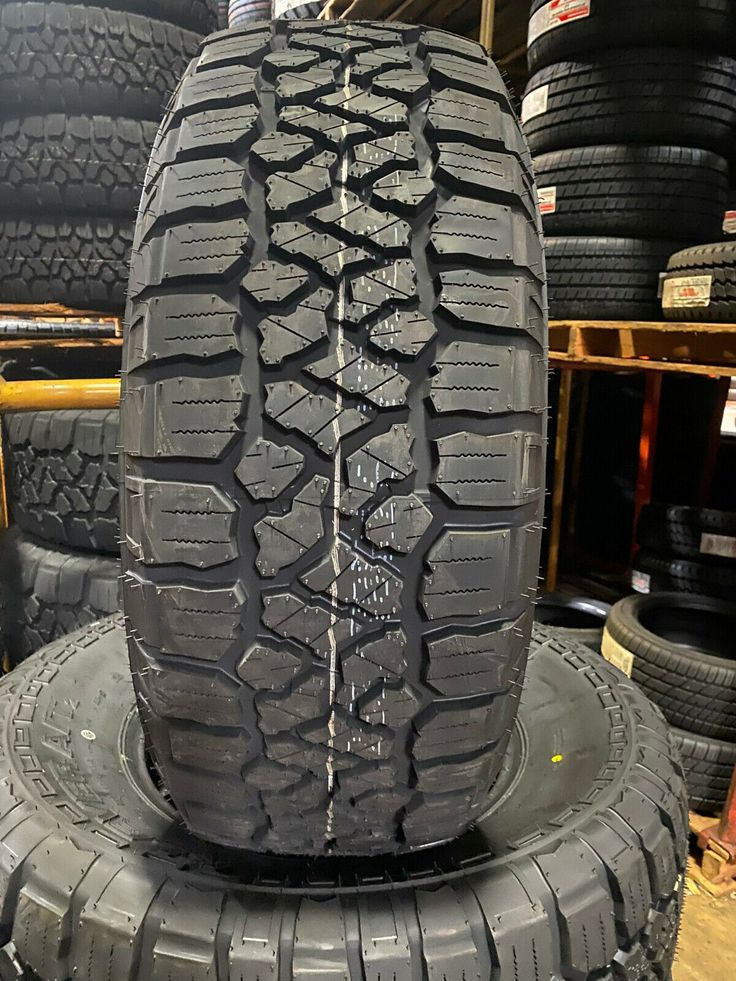
Failing to rotated asymmetrical tires correctly can lead to uneven tire wear, reduced tire lifespan, and potentially unsafe driving conditions. If you're unsure about your vehicle's tire rotation direction, consult your owner's manual or consult with a professional tire installer.
Ultimately, the choice between a 285/60R20 and a 295/60R20 tire depends on your specific needs, driving habits, and preferences. While a wider tire might offer better grip and handling, it could also come with a trade-off in terms of fuel efficiency and cost. Before making a decision, carefully consider the pros and cons of each tire size and consult with a tire professional to ensure the best fit for your vehicle.