When it comes to equipping your vehicle with the right tires, you've likely come across two common sizes: 285/65 and 285/70. Both are widely used, but how do you choose between the two? Let's delve into the details to help you make an informed decision.
The numbers in tire size specifications, like these two, might seem confusing, but they're crucial in ensuring your vehicle's safety and performance. The differences between 285/65 and 285/70 lie in their aspect ratios and, consequently, their performance characteristics.
Understanding Tire Sizing
Before we compare the two, let's quickly understand tire sizing. A tire size like 285/65/R17, for instance, breaks down into three components:


- 285: This represents the width of the tire in millimeters.
- 65: This is the aspect ratio, measured as a percentage of the tire's width.
- 17: This refers to the diameter of the wheel in inches.
Aspect Ratio: The Key Difference
The aspect ratio is where the difference between 285/65 and 285/70 lies. In a tire, the aspect ratio is the ratio of the tire's height to its width. A higher aspect ratio means a taller, narrower tire.
In this case, the 285/65 has an aspect ratio of 65%, making it slightly taller than the 285/70, which has an aspect ratio of 70%.


Impact on Performance
The aspect ratio significantly influences a tire's performance characteristics. Tires with a lower aspect ratio, like the 285/65, tend to have a stiffer sidewall. This can improve handling and cornering performance.
Conversely, tires with a higher aspect ratio, like the 285/70, often provide a smoother ride on rough roads due to their flexible sidewalls. They also offer more even tire pressure distribution, which can enhance traction.
Optimal Tire Size Depends on Your Vehicle
Choosing between 285/65 and 285/70 isn't just about performance; it's also about compatibility with your vehicle. Always consult your vehicle's owner's manual or the tire size stamped on the driver's side door jamb to find the recommended tire size.
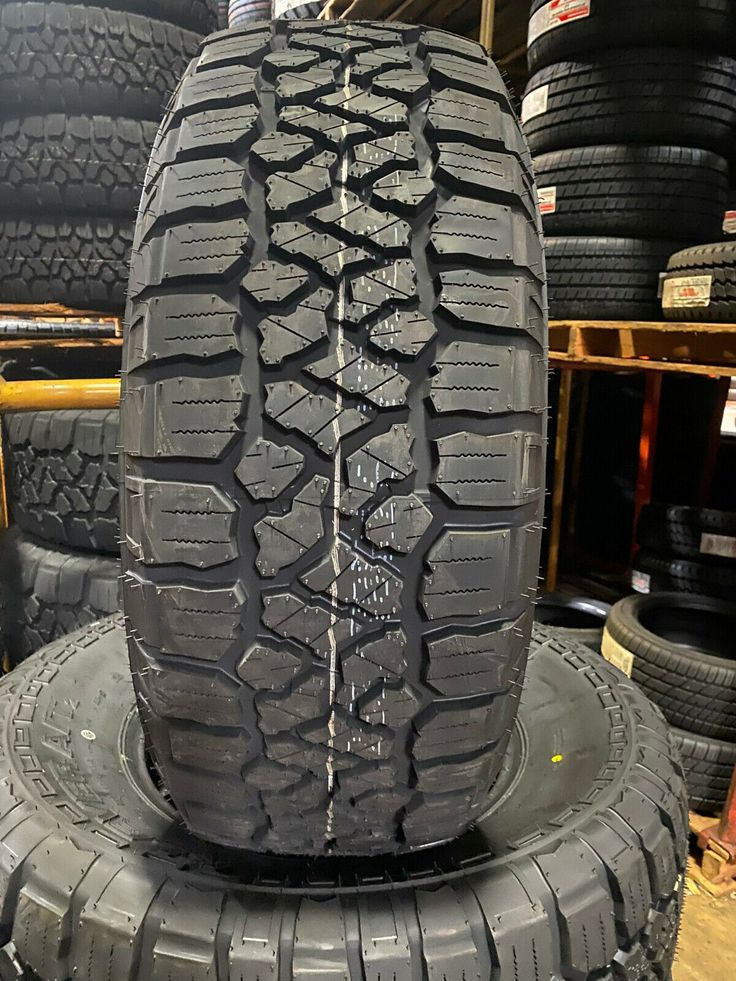


Some vehicles might not accommodate a tire with a specific aspect ratio due to clearance issues. For example, a vehicle designed for 285/65 might not fit a 285/70 due to space constraints, especially around the wheel wells.
When to Choose 285/65
A 285/65 tire might be the better choice if your vehicle is primarily driven on paved roads and you prioritize handling and response. These tires often provide better stability at higher speeds and can be particularly beneficial if you frequently drive on highways or enjoy spirited driving.
Moreover, if your vehicle has significant power and torque, the stiffer sidewall of a 285/65 can help minimize traction loss under acceleration.


When to Choose 285/70
Opting for 285/70 tires can be advantageous if your vehicle regularly travels on rough roads, or if you value a smooth, comfortable ride. The flexible sidewall of these tires can absorb bumps and vibrations more effectively, leading to improved ride comfort.
Additionally, 285/70 tires might be a good fit if you often carry heavy loads or tow trailers. The even tire pressure distribution can enhance traction, which is crucial under such conditions.
Ultimately, the choice between 285/65 and 285/70 depends on your driving habits, the conditions you typically face, and your vehicle's specific requirements. Always ensure that your chosen tires are compatible with your vehicle and provide the performance characteristics you need. Happy driving!