When it comes to choosing the right tires for your vehicle, the decision can often come down to two seemingly similar options. Today, we're diving into the details of two popular tire sizes: 295/55r20 and 285/60r20. Both are well-suited for various vehicles, but understanding their key differences can help you make an informed decision.
Before we get into the nitty-gritty, let's break down these tire size codes. The numbers represent: width, aspect ratio, and diameter (in inches) respectively, with 'r' indicating radial construction, which is the standard for most tires. So, what sets these two apart?
Tire Width and Sidewall Height: 295/55r20 vs 285/60r20
The primary difference lies in the tire's width and aspect ratio, which directly impacts the sidewall height. Understanding this can help you discern how each size could affect your vehicle's performance and aesthetics.


In the 295/55r20, the '295' represents a wider tire (in millimeters), and the '55' represents a lower aspect ratio. The lower aspect ratio means the sidewall is shorter compared to the 285/60r20. This can provide better stability and handling, especially at higher speeds.
Stability and Handling
Tires with shorter sidewalls, like the 295/55r20, can offer improved stability and better road feedback due to the reduced sidewall flex. This is particularly beneficial for SUVs and trucks that often carry heavy loads or tow trailers.


A lower aspect ratio also typically equates to a stiffer tire, which can enhance steering precision and reduce the chance of sidewall flex-induced wandering.
Noise and Comfort
While lower aspect ratio tires offer superior handling, they can potentially transmit more road noise and impacts into the cabin due to their stiffer construction. This is something to consider if comfort is a priority in your daily drive.
Tires with shorter sidewalls also tend to wear out quicker in comparison due to their stiffer structure. However, this can be offset by their superior performance in certain situations.
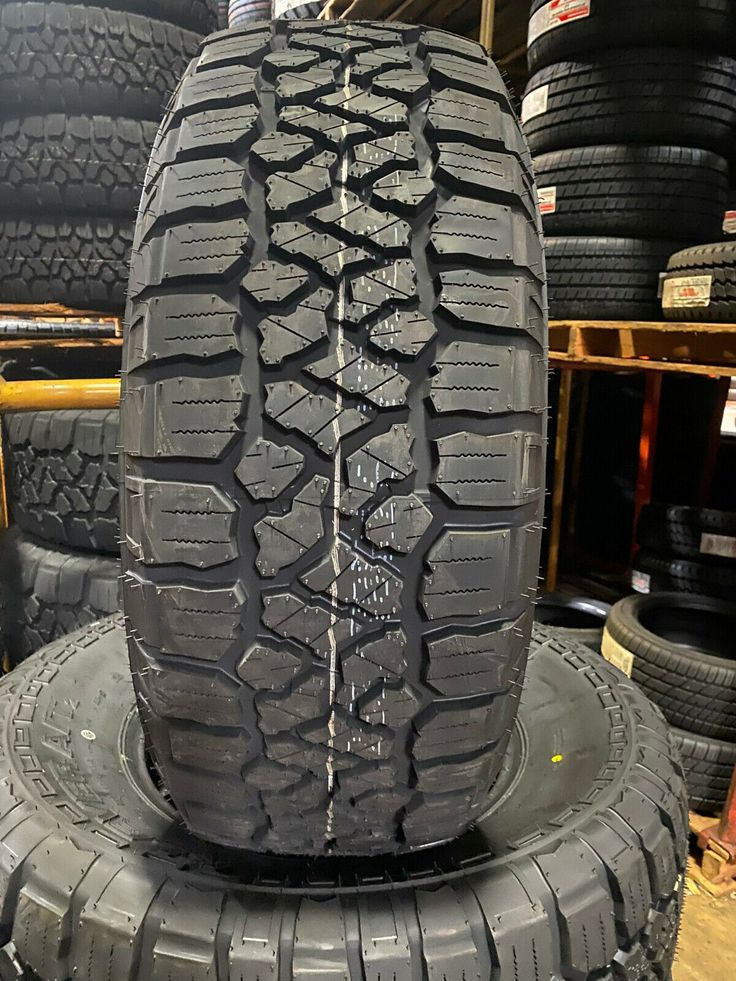


Aspect Ratio and Ground Clearance: 295/55r20 vs 285/60r20
Now let's consider the 285/60r20. This tire has a slightly narrower width ('285') but a taller aspect ratio ('60'), meaning it has a taller, more flexible sidewall.
This taller sidewall can offer improved ride comfort and absorb more road imperfections. It's an excellent choice for daily commuters who prioritize a smooth, quiet ride. However, it comes with its own set of pros and cons.
Ride Comfort and Noise
The taller sidewall can provide enhanced comfort, but it can also increase the likelihood of flex or ' Lean ' during cornering or hard acceleration. This could potentially affect handling, especially at high speeds.


Moreover, taller sidewalls can reduce ground clearance. This might not be an issue for everyday road use, but it could pose problems in off-road situations or when navigating rough roads.
Use Cases
Tires with taller sidewalls, like the 285/60r20, are well-suited for daily commuters and fleet vehicles. They excel in city and suburban driving due to their comfort and quiet operation.
On the other hand, they might not be the optimal choice for vehicles designed for off-road use or those that require heavy-duty performance, such as construction or farming equipment.
In conclusion, both 295/55r20 and 285/60r20 tires have their unique advantages and optimal use cases. The best fit depends entirely on your driving habits, the type of vehicle you have, and the performance you expect from your tires. Always remember to consider a variety of factors and shoot for a balance that aligns with your driving needs.