Poker enthusiasts often wonder about the quality and value of 14g poker chips. After all, choosing the right weight and type of chips can significantly enhance your gaming experience. But are 14g chips good enough for your game? Let's delve into this question, examining the pros and cons of 14g chips, their impact on gameplay, and alternatives to help you make an informed decision.
The weight of poker chips isn't just about aesthetics; it's a crucial factor that affects your gaming experience and the seriousness of the game. Let's explore the world of 14g poker chips and determine if they're the right fit for you.
Understanding 14g Poker Chips
The term '14g' refers to the weight of a single poker chip, measured in grams. 14g chips fall into the mid-range of poker chip weights, surpassed only by the hefty 16.5g, 21g, and 27g varieties. But what sets 14g chips apart, and should you consider them for your poker nights?


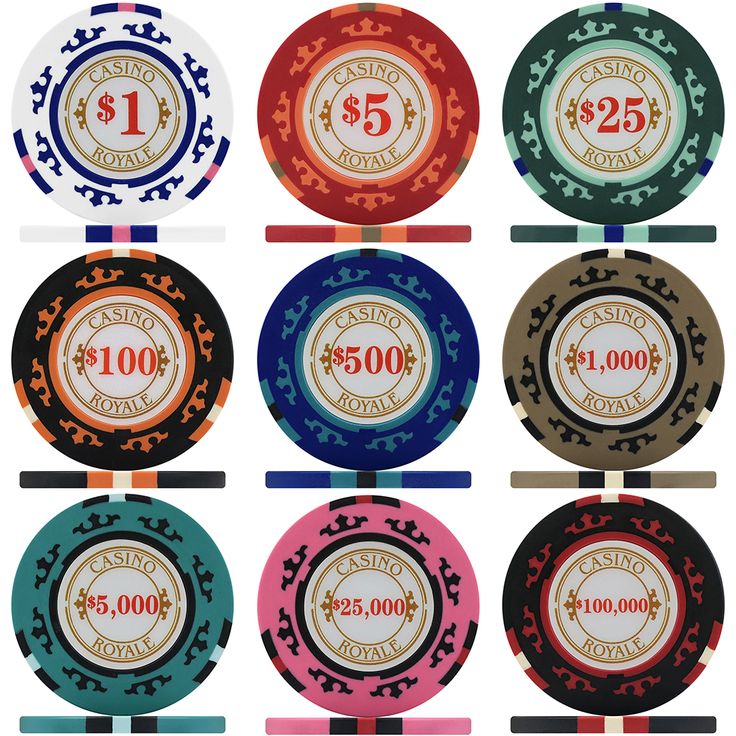
One of the primary advantages of 14g chips is their versatility. They're not so light that they seem toy-like, nor so heavy that they're only suitable for high-stakes games. This adaptability makes 14g chips an excellent choice for casual and semi-professional players who want a chip that can grow with their game.
Pros of Using 14g Poker Chips
The versatility of 14g chips is just one of their advantages. Here are some other reasons why you might want to consider using them:


- Affordability: 14g chips generally come at a mid-range price point. They're often less expensive than heavier chips but offer a better gaming experience than lighter options.
- Portability: While not the lightest option, 14g chips are still convenient for travel and storage. They're a good compromise between weight and portability.
- Durability: Mid-weight chips like 14g offer a good balance between robustness and maneuverability. They're less likely to damage your table or make noise that could disturb others, unlike heavier chips.
Cons of Using 14g Poker Chips
Before you invest in a set of 14g chips, let's address some possible drawbacks:
- Suitability for high-stakes games: Although 14g chips can be used in high-stakes games, their mid-range weight might not convey the same sense of importance or value as heavier chips. For serious, high-stakes games, you might want to consider heavier options.
- Potential for misalignment: Lighter chips, including 14g, can sometimes shift during transportation or games. This misalignment can lead to frustration and inaccuracies in gameplay.
Alternatives to 14g Poker Chips
If you're not convinced that 14g chips are the perfect fit for your game, there are plenty of alternatives to consider:
heavWEIGHT Chips: If you're looking to add a touch of luxury and seriousness to your games, consider heavier chips like 16.5g, 21g, or even 27g. These chips are typically made from a more premium material, such as clay or solid plastic, and their weight adds a tactile pleasure to handling them. However, they come at a higher price point and can be less portable.


LIGHTWEIGHT Chips: For casual games or those on a budget, lighter chips (such as 8g or 11.5g) can be an affordable and convenient option. They're easy to carry and store but may not provide the same satisfaction as heavier chips.
CUSTOM Chips: If you're a serious player or run a poker club, investing in custom poker chips could be a worthwhile pursuit. Custom chips can be made in various weights and come in a wide range of materials and designs, allowing you to create something truly unique.
Ultimately, the 'best' weight for your poker chips depends on your personal preferences, the type of games you play, and your budget. Consider your needs and the needs of your fellow players before making a decision.
Remember, the perfect poker chip isn't just about weight; it's also about material, design, and how it feels in your hand. So, take your time, weigh your options (pun intended), and choose the chips that will elevate your poker experience.