Are you considering transitioning from the standard 275/60R20 tires to 285/33R22 tires for your vehicle? This size upgrade, a step up from 33 to 35 series, can significantly impact your driving experience. Let's break down the implications andwhether it's a suitable choice for you.
Firstly, larger tires like 285/33R22 come withcreased load capacity and better overall traction, especially on rugged terrains. Their wider footprint enhances grip, making them an attractive option for modified or lifted vehicles.
Understanding Tire Sizes
The three-digit number (285) represents the tire's width in millimeters. The two-digit number following the slash (33) denotes the aspect ratio, or the sidewall height as a percentage of the tire's width. The final number (22) is the wheel's diameter in inches.


Width: Advantages and Disadvantages
Wider tires like 285/33R22 provide more contact surface with the road, improving traction. Furthermore, they create a more imposing road presence, beneficial for larger vehicles or trucks.
However, wider tires can negatively affect ride comfort due to increasednants and a stiffer ride. They may also cause rubbing issues on the vehicle's fenders, especially in tight corners or bumpy roads, prompting you to install wider fenders orbody kit.

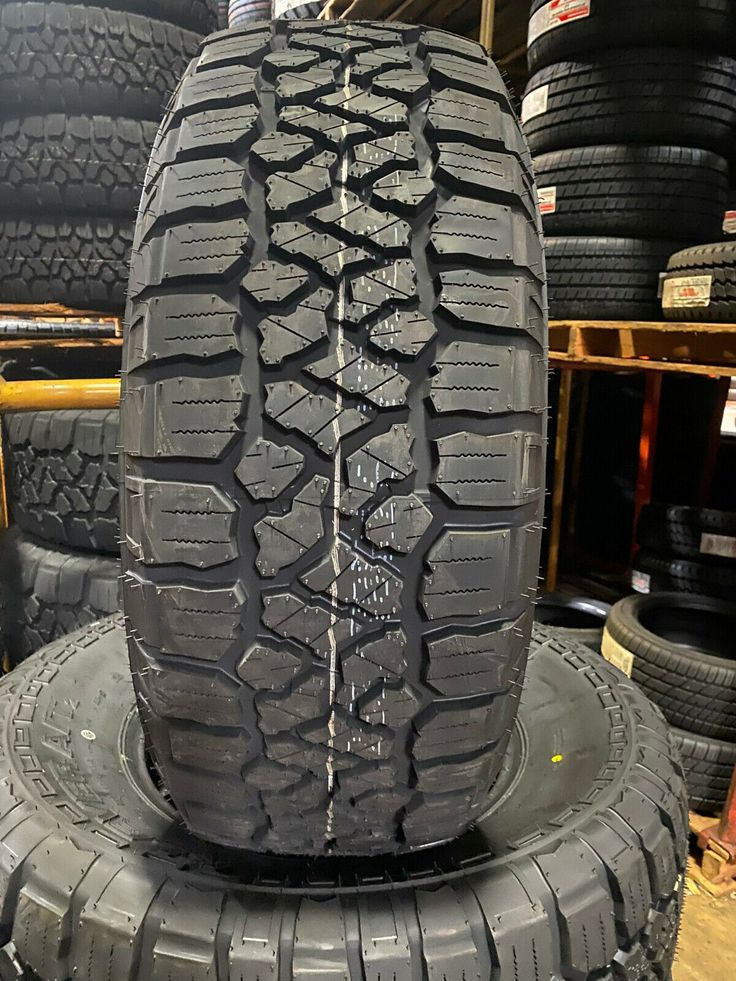

Aspect Ratio: Impact on Ride and Performance
A higher aspect ratio (33) means taller, wider sidewalls that flex more, absorbing small road imperfections. This results in a more comfortable ride compared to tires with a lower aspect ratio. Conversely, they have lower cornering stability due to their taller sidewalls which can flex more under cornering.
Lower aspect ratio tires (e.g., 285/45R22) offer better cornering performance due to stiffer sidewalls, but provide a firmer ride. The optimal choice largely depends on your prioritized ride characteristics and vehicle usage.
Other Considerations
Tire diameter is another crucial aspect. With larger tires, your vehicle's gear ratio changes, impacting acceleration and top speed. A higher diameter also alters the vehicle's center of gravity, affecting its handling dynamics.


Gearing and Vehicle Dynamics
Transitioning to 285/33R22 tires from 275/60R20 involves a size increase by roughly 1.2 inches. This change requires you to adjust your vehicle's gear ratios to maintain optimal acceleration and top speed. Neglecting this can compromise your vehicle's performance and fuel efficiency.
Additionally, the taller tire changes the vehicle's center of gravity, altering its handling dynamics. You might experience slightly different steering responses and a minor reduction in ground clearance.
Fitting and Clearance
Before installing larger tires, ensure your vehicle has enough clearance to accommodate them without causing rubbing issues. Tire manufacturers provide specific tolerances for each tire size to help you gauge its fitment.


If you're unsure, consider consulting with a professional mechanic or researching your specific vehicle model's tire fitment guidelines to avoid potential rubbing, alignment, or other fitment-related issues.
In conclusion, transitioning to 285/33R22 tires can provide better traction, enhanced road presence, and improved ride comfort. However, it's crucial to consider the trade-offs, including reduced cornering stability, altered vehicle dynamics, and potential fitment challenges. Before proceeding, thoroughly research and consider your priorities, as well as consult with professionals to ensure a successful and safe tire upgrade.