Craving the rich, hearty flavors of Italy? Look no further than Bolognese al Forno, a tantalizing twist on the classic Bolognese sauce that transforms it into a comforting casserole. This oven-baked delight combines traditional Bolognese with pasta and melted cheese, creating a symphony of textures and tastes that will transport you to the rustic charm of Italian trattorias.
Bolognese al Forno is not only a feast for the taste buds but also a practical dish that allows you to create a entire meal with one bubbling, golden casserole. So, let's dive into this mouthwatering specialty and explore the secrets behind its irresistible allure. Buon appetito!
The Magic of Bolognese al Forno
Bolognese al Forno is a magnificent fusion of the classic Ragù alla Bolognese and pasta al forno, a traditional Italian baked pasta dish. The traditional Ragù is comprised of a rich meat sauce, invigorated with a harmonious blend of herbs, vegetables, and tomatoes. When combined with pasta and a blanket of melted cheese, it transforms into a comforting, oven-baked masterpiece.


This dish is a testament to Italian culinary ingenuity, showcasing how a few simple ingredients can unite to create an extraordinary symphony of flavors. It's no wonder why Bolognese al Forno has stolen the hearts of food enthusiasts around the globe. Let's delve into the key ingredients and techniques that make this dish a star.
The Classic Bolognese Ragù
The foundation of Bolognese al Forno is the iconic Ragù alla Bolognese. A traditional Ragù is anything but rushed, requiring time and patience to develop its deep, complex flavor. Begin by sautéing a soffritto, a medley of finely chopped vegetables like carrots, celery, and onions, in olive oil until they're soft and golden. Next, add minced beef or a mix of minced beef and pork, cooking until browned.


Tomatoes, either fresh or canned, and a splash of wine come next, followed by a long, slow simmer. This is where the magic truly happens. The tomatoes break down, melding with the meat and rich, umami-packed Parmigiano-Reggiano cheese to create a sauce that's thick, rich, and moreish. It's a labor of love, but the result is nothing short of transcendent.
The Pasta Conundrum: Rigatoni vs. Other Pasta Shapes
For Bolognese al Forno, penne, rigatoni, or even broken spaghetti are the go-to pasta shapes, with rigatoni often reigning supreme. Rigatoni's large, tube-like shape with ridges along the side is perfect for holding the hearty meat sauce, ensuring that each bite is overflowing with flavor. Moreover, rigatoni maintains its al dente bite even after baking, providing a satisfying, toothsome texture.
Other pasta shapes, like fusilli or farfalle, can also work, but they may not hold the sauce as well or maintain their texture as nicely in the oven. Ultimately, the choice of pasta is down to personal preference. CDC recommends using dried pasta for its consistency in cooking and absorption of liquids, a vital factor in the final dish.




The Art of Assembly and Baking
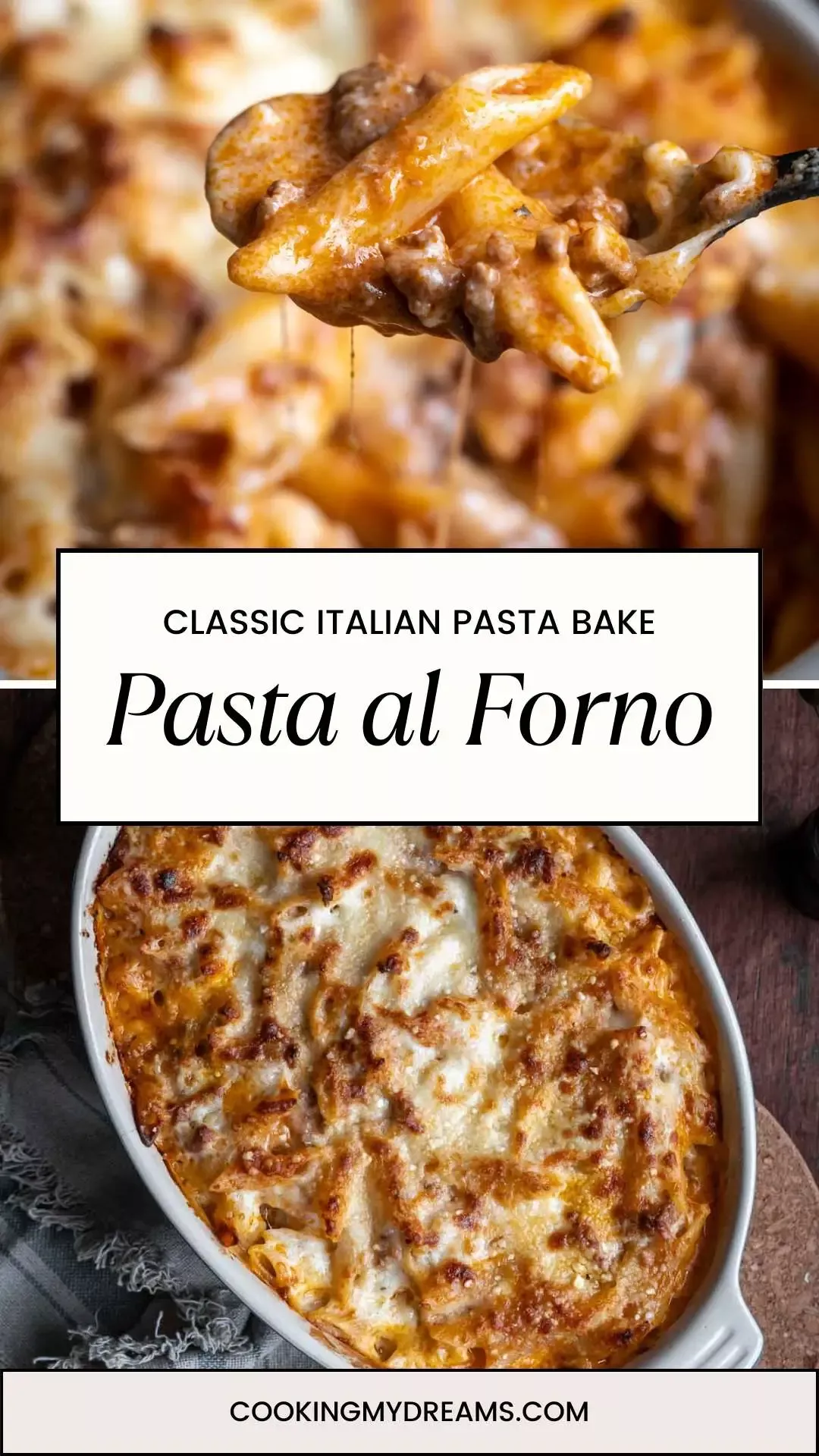
Once you have your Ragù and pasta sorted, it's time to assemble your Bolognese al Forno masterpiece. Spread a thin layer of Ragù on the bottom of a baking dish, followed by a layer of cooked pasta. Top with a generous sprinkle of grated Parmigiano-Reggiano and a layer of mozzarella cheese. Repeat these layers, finishing with a final blanket of cheese.
At this point, you can either bake immediately or prepare ahead and refrigerate overnight. When ready to bake, preheat your oven to 375°F (190°C). Place the baking dish on a larger baking sheet (to catch any dripping cheese) and bake for approximately 20-25 minutes or until the cheese is hot, bubbly, and gorgeously golden. Let it cool slightly before serving.
Pimp My Bolognese al Forno: Variations and Add-ons
Bolognese al Forno is a versatile dish that readily accepts a myriad of variations and add-ons. For a richer, creamier dish, stir in some heavy cream or mascarpone into the Ragù before assembly. Vegetarians can replace the meat with mushrooms, lentils, or chickpeas, creating a delicious, plant-based version. Adding spinach, kale, or artichokes enhances the nutritional value and adds vibrant touches of green.


Fancy a gluten-free or low-carb version? Use brown rice pasta, zucchini noodles, or even spaghetti squash as a base. To cater to different tastes, top individual servings with fresh basil, chopped herbs, or a drizzle of extra virgin olive oil. The possibilities are endless, allowing you to customize Bolognese al Forno to your heart's content.
There you have it—the ultimate guide to Bolognese al Forno. This comforting, flavor-rich casserole is more than just a meal; it's an edible testament to Italy's culinary brilliance. So go ahead, gather your ingredients, and embark on a taste adventure that's sure to leave you eager for seconds. Buon appetito and happy cooking!