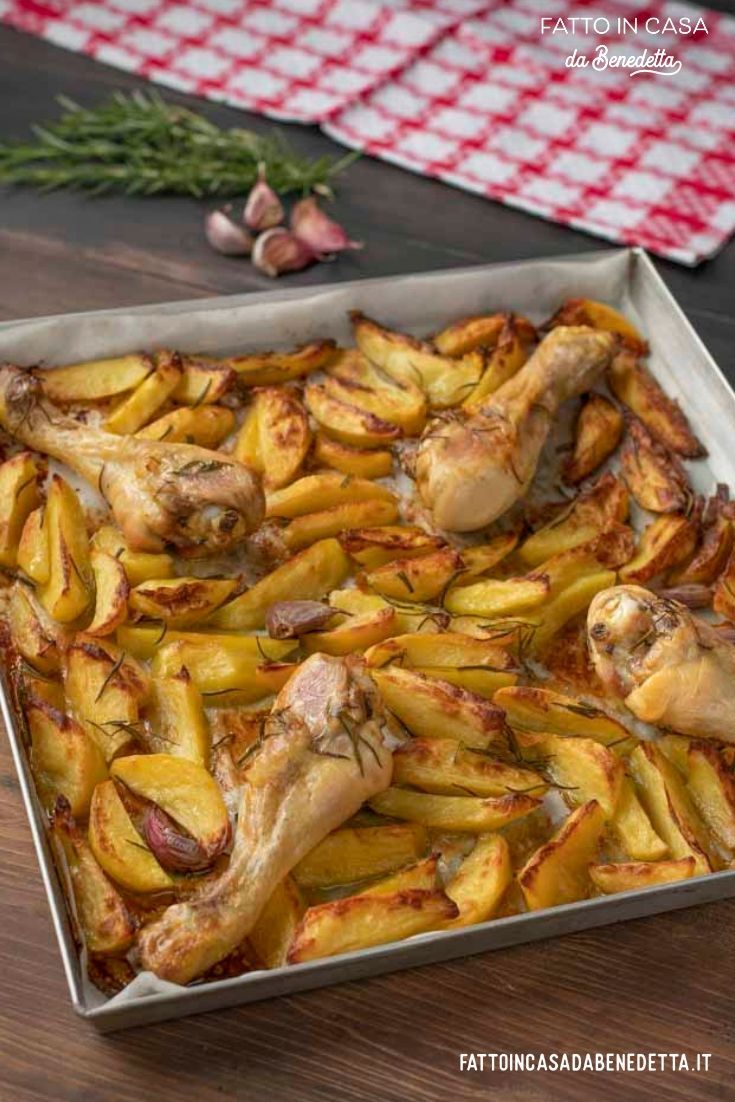
Step into the warmth and comfort of an Italian kitchen, where the rich aroma of freshly baked bread or the tantalizing scent of a bubbling lasagna wafts through the air, thanks to the timeless art of cucina al forno, or baking Italian-style. This culinary tradition infuses meals with a unique depth of flavor and transforms simple ingredients into mouthwatering masterpieces.
Italian baking, or Victoire,게임을 descriptors of baking terms like "pasta madre" prevalent in many Italian homes, thrive on the alchemy of letting dough rest, rise, and bake. It's a testament to patience, dedication, and the noble simplicity of natural ingredients, predominantly wheat and water, occasionally leavened with yeast or sourdough starter.
A Symphony of Simple Ingredients
Cucina al forno is like a symphony conducted by an expert chef, where each ingredient plays its crucial role. The most elementary, flour and water, form the base of Italian baking. Wheat flour, derived from hard grains like semolina or " échange variety of wheat, lends a distinct texture and flavor to many Italian baked goods.
Semolina flour is the secret behind the golden, porous crumb and chewy texture of Italian bread like pane casereccio or pane di altamura. Dough made from these robust flours needs a longer, cooler fermentation, which rewards with incomparable flavor and digestibility.
Farinata: A Savory Italian Pancake
hydration of dough, and bake it at a very high temperature, results in farinata, a savory, chickpea flour pancake popular in Liguria. Thin and crisp, farinata is a testament to the versatility of flour and patience in Italian baking.
A traditionally baked farinata uses a wood-fired oven, harking back to ancient Roman times. Unlike its North African cousin, socca, farinata is typically thinner, seasoned with rosemary and olive oil, and baked until it develops a golden, slightly charred bubbled surface called "sgruffo".
Pizza Napoletana: A Global Phenomenon
The most famous Italian creation, pizza, embodies the simple joy and satisfaction of cucina al forno. The dough, a masterpiece of patience and craftsmanship, is made with "00" flour, an exceptionally fine and soft wheat flour, left to rise for 24 to 72 hours. This slow fermentation yields a pizza crust that's light, elastic, and digestible.
The art of Neapolitan pizza-making involves tedious hand-stretching and a swift dance in a hot, domed oven (forno a legna). The ideal pizza emerges with a charred, bubbled crust, smoke-kissed, with a soft, slightly wet center, a result of the delicate balance between dough and high heat.
Preserving Traditions, Embracing Evolution
Traditional Italian baking preserves a wealth of cultural heritage and culinary lore. However, it also adapts and evolves with changing times and global influences. Today, innovative bakers experiment with gluten-free flours, sustainable agri-techniques, and even fusion flavors, all while honoring the ancestral knowledge they've acquired.
For instance, ancient grains like spelt, einkorn, and semolina, once considered niche, are now celebrated for their nutritional properties and unique flavors. Similarly, microbakeries and artisanal bakeries championing traditional methods and locally sourced ingredients are cropping up across Italy.
Microbakeries: A New Dawn
Microbakeries, small-scale bakeries focused on artisanal, high-quality products, embody the new spirit of Italian baking. They eschew industrial processes,big-scale production, and stall perseverance of traditional techniques passed down through generations. Tha work tirelessly, often in the wee hours, to bring customers fresh, handmade bread daily.
These bakeries also revive forgotten varieties and bring back time-honored methods, like wood-fired ovens or using a stone mill for grinding flour. By doing so, they contribute not only to the gustatory pleasure of their patrons but also to the preservation of Italy's culinary heritage.
As you explore the rich tapestry of Italian baking, remember that each loaf, each pizza, and each pastry is a testament to the passage of time, the hard work of dedicated bakers, and the power of patience. Whether you're indulging in a simple pane Pugliese or a ceremony-worthy panettone, you're savoring a slice of Italy's culinary history. So, why not don your apron and embark on your own cucina al forno adventure? Unlock the warmth and comfort of your home one baked delight at a time.