While the shift towards natural power sources like solar, wind, and hydro is undeniably necessary and beneficial, it's crucial to acknowledge that they are not without their challenges. This comprehensive guide explores the potential disadvantages of these renewable energy sources, providing a balanced perspective to inform our understanding and propel further innovation.
A common misconception is that natural power is a perfect solution to our energy needs. However, each source has its unique set of drawbacks that we must address to ensure a smooth transition and sustained progress.
Intermittency: The Ubiquitous Challenge
The primary disadvantage of most natural power sources is their intermittency. Solar power depends on sunlight, which is unavailable at night and diminished on cloudy days. Wind turbines produce electricity only when the wind blows, and hydroelectric power is susceptible to seasonal rainfall variations.
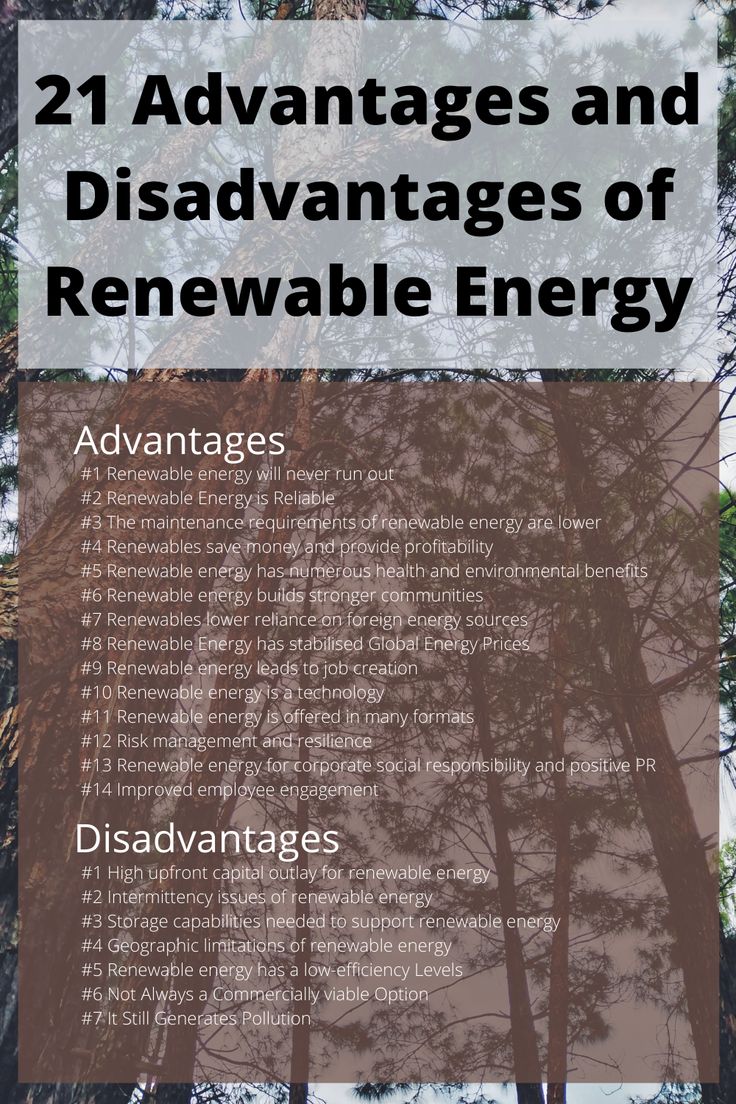


This intermittency can lead to inconsistent energy supply, posing significant challenges to grid stability and energy management. Ensuring a steady and reliable power supply requires robust storage solutions or complementary energy sources that can fill the gaps.
Storage Limitations
Existing energy storage technologies, such as batteries, are expensive and have limited capacity. Large-scale storage solutions are a additional financial burden on the infrastructure, and their environmental impact is still under debate.


New storage technologies are being developed, but they will take time to become widespread and affordable. Until then, the intermittency of natural power sources will remain a significant hurdle.
Grid Compatibility
Integrating variable energy sources into the grid requires extensive upgrades and advanced management systems to maintain stability. Existing grids were designed for consistent, centralized power generation, making them ill-equipped to handle the fluctuations inherent in natural power.
Grid modernization and the development of smart grids are essential to accommodate the increasing share of natural power sources. However, these upgrades are costly and time-consuming, further slowing the transition to renewable energy.


Landscape and Environmental Impacts
The widespread adoption of natural power sources can have measurable environmental impacts, contradicting the inherent 'green' nature of these energies. These impacts are site-specific and dependent on the type of renewable energy source.
A detailed environmental impact assessment (EIA) should be conducted before constructing any power plant to minimize the environmental footprint. However, even with careful planning, some impacts are inevitable.
Land Use
Solar and wind farms require large areas of land, often in remote or environmentally sensitive locations. The considerable land use can lead to habitat destruction and fragmentation, disrupting local ecosystems and biodiversity.


Hydropower plants can cause more extensive environmental damage, including flooding large areas, altering river ecosystems, and causing methane emissions due to the decomposition of submerged vegetation.
Wildlife Impacts
Wind turbines and hydropower plants pose significant threats to wildlife, particularly birds and bats. Collisions with wind turbines and drowning in hydropower reservoirs are major causes of mortality for these species.
While guidelines and best practices for minimizing these impacts exist, their implementation is often inadequate. It is essential to conduct thorough wildlife impact assessments and implement mitigation strategies to protect local fauna.
Moreover, underwater noise pollution caused by wind farms can disturb marine life and affect their communication, foraging, and mating behaviors.
The advantages of shifting to natural power sources are profound, ranging from reduced greenhouse gas emissions to enhanced energy security. However, acknowledging and addressing the disadvantages are crucial steps towards a sustainable and balanced energy future. By doing so, we can harness the full potential of renewable energy sources and ensure their long-term viability.