Evaporative humidifiers, also known as cool mist humidifiers, have become increasingly popular due to their affordability and low maintenance. But do they really work? And if so, in what capacity? This article explores the functionality, benefits, and potential drawbacks of evaporative humidifiers to provide a comprehensive understanding of their effectiveness.
In essence, evaporative humidifiers work by using a fan to draw in dry air, which then passes over a water-saturated wick. As the air moves over the wick, the water evaporates, thereby increasing the humidity levels in the room. However, the claim that they "work" can be dissected into several aspects: how well they combat dry air, their effects on skin and health, energy efficiency, and potential maintenance issues.
Efficacy in Combating Dry Air
Evaporative humidifiers are particularly effective in arid climates or during winter months when heating systems can cause indoor air to become excessively dry. They can significantly increase humidity levels, creating a more comfortable environment and protecting skin, wood furniture, and musical instruments from excessive dryness.


Evaporative humidifiers excel in hot, dry climates due to their unique functioning principle. Unlike ultrasonic humidifiers, which create a cool mist via high-frequency vibrations, evaporative humidifiers work best in warm environments as the evaporation process intensifies with higher temperatures.
Humidity Output and Coverage
Evaporative humidifiers can effectively humidify medium to large rooms, with some high-end models capable of covering up to 1,000 square feet. However, the exact coverage and humidity output can vary depending on factors such as fan speed settings, ambient temperature, and humidity levels.


stood at distance. To ensure optimal performance, it's essential to place the humidifier in the center of the room or near the area that needs humidification. Moreover, regular cleaning and replacement of the wick filter can maintain and maximize the humidifier's output.
Benefits for Skin and Health
Increasing indoor humidity can alleviate various skin and health issues associated with dry air. These include dry, itchy skin, cracked lips, nosebleeds, and static electricity. Evaporative humidifiers can help prevent these issues by maintaining optimal indoor humidity levels, typically around 30% to 50%.
Moreover, evaporative humidifiers can help reduce symptoms of respiratory conditions like sinusitis, asthma, and allergies. By keeping the nasal passages moist, they facilitate easier breathing and relieve congestion. However, they should not replace medical treatment and should be used as a supplementary measure.


Energy Efficiency and Operating Costs
Evaporative humidifiers are generally energy-efficient and economical to operate. They consume less electricity compared to ultrasonic or warm mist humidifiers, making them an eco-friendly and cost-effective option. Since they don't use heating elements, they also don't add heat to the room, helping maintain cool temperatures in warm climates.
The primary operating cost of evaporative humidifiers is the replacement of wick filters, which typically need to be replaced every one to three months, depending on usage and water quality. However, many budget-friendly models don't require filters, further reducing maintenance costs.
Noise Levels and Sleep Disruption
One potential drawback of evaporative humidifiers is their noise levels. The fan used to draw in air can emit a low-level humming sound, which may disrupt sleep if the device is placed in the bedroom. However, many modern models feature whisper-quiet operation, making them suitable for nighttime use. Some even come with sleep mode settings that reduce fan speed and noise levels at night.
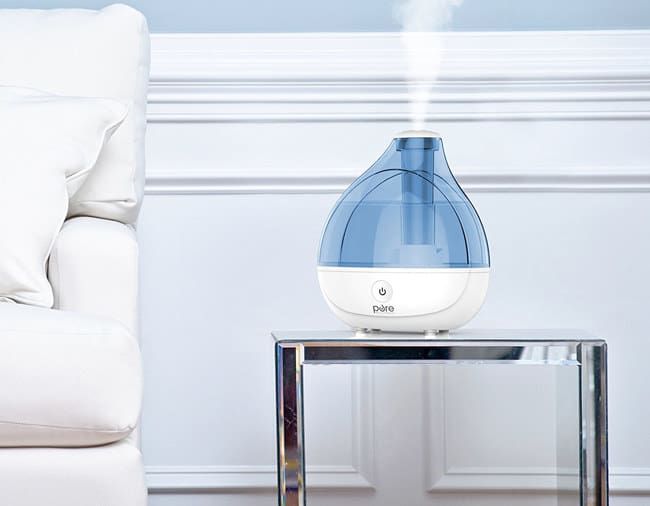


Furthermore, the noise generated by evaporative humidifiers is often less intense than that produced by ultrasonic humidifiers, which create a ribosomal mist via high-frequency vibrations. Nevertheless, it's essential to consider noise levels when choosing a humidifier, especially if it will be used in a bedroom.
Maintenance and Cleanliness
Evaporative humidifiers require regular maintenance to prevent mineral buildup, bacterial growth, and general wear and tear. This typically involves weekly cleaning of the water tank and mist outlet, as well as monthly or bi-monthly changing of the wick filter. The frequency of maintenance may vary depending on water hardness, usage, and individual cleanliness preferences.
failure to maintain humidifiers can lead to the growth of mold, mildew, and bacteria, which can potentially cause allergic reactions or other health issues. Fortunately, many evaporative humidifiers feature removable parts and dishwasher-safe components, making cleaning an straightforward and convenient process.
Safety and Cleanliness
It's crucial to use distilled or demineralized water in evaporative humidifiers to prevent mineral buildup and reduce bacterial growth. Tap water can introduce minerals like calcium and magnesium into the air, leading to white dust and increased maintenance requirements. Additionally, using tap water may cause the humidifier to emit a harmless but potentially irritating. A solution is to use a humidifier with a demineralization cartridge or to invest in a water softener for your home.
Moreover, it's essential to follow safety guidelines when using evaporative humidifiers. These include keeping them out of reach of children and pets, positioning them on a stable, flat surface, and unplugging them when not in use or during cleaning. By following these safety practices, you can minimize the risks associated with using evaporative humidifiers and ensure a safe, comfortable environment.
In the end, evaporative humidifiers can indeed be effective in combating dry air, improving skin and health, and maintaining energy efficiency. With proper care and maintenance, they can provide optimal humidification and create a more comfortable living or working space. Considering their affordability, low maintenance, and adaptability to various climates, evaporative humidifiers are a compelling choice for many individuals seeking a practical solution to dry indoor air.