Do hummingbird feeders attract flies? This is a common query among bird enthusiasts, and the answer can vary depending on several factors. While hummingbird feeders are designed to attract hummingbirds, other creatures, including flies, can also be drawn to them. Let's delve into this topic to understand why flies might be attracted to hummingbird feeders and how to mitigate this issue.
Hummingbird feeders contain sugar water, a substance that naturally attracts a variety of insects, including flies. The sweet nectar is not only appealing to hummingbirds but also to other flying insects looking for an easy meal. Additionally, flies are known to be attracted to the damp environment around bird feeders, further increasing their presence near the feeder.
Understanding the Attraction
To grasp why flies are attracted to hummingbird feeders, it's essential to understand their biology and behavior. Flies, particularly species like the housefly, are attracted to sugars, moist conditions, and waste. Hummingbird feeders, located outdoors and filled with sugar water, present an ideal environment for flies.


The misconception that hummingbird feeders attract flies can also be attributed to the fact that both hummingbirds and flies feed on the same sweet solution. However, it's crucial to note that hummingbirdslick the nectar cleanly, while flies land on the feeder and may leave behind residue, giving the appearance of increased fly activity.
Variety of Fly Species
Several fly species can be attracted to hummingbird feeders, each with unique behaviors and preferences. Some of the most common are:


- Houseflies, attracted to the moist environment and sugars in the feeder.
- Fruit flies, which are drawn to the sweet nectar and may lay eggs in the feeder if it's not cleaned regularly.
- Gnats, tiny flies that are attracted to damp, dark places, such as the bottom of hummingbird feeders.
Identifying the fly species can help determine the best course of action to deter them from the feeder.
Feeder Design and Maintenance
The design and maintenance of the hummingbird feeder play a significant role in attracting flies. Certain feeder designs can help minimize fly activity:
- Gardner's hummingbird feeders, which have bee guards to prevent larger insects from reaching the nectar.
- Ant moats, small compartments filled with water that create a barrier, preventing insects from climbing up the pole to the feeder.
Maintaining the feeder is equally important. Regular cleaning can help minimize fly activity:


- Clean the feeder weekly with a bottle brush and hot water.
- Use a feeder cleaner or mild bleach solution to remove any bacterial or fungal growth.
- Change the sugar water solution every 3-5 days, depending on temperature, to prevent fermentation and mold growth.
Attracting Hummingbirds and Deterring Flies
While it's challenging to completely eliminate flies from hummingbird feeders, creating an environment that favors hummingbirds can help reduce fly activity:
Place the feeder near flowers: Hummingbirds are more likely to visit feeders near their preferred flowers. Flies, on the other hand, may be deterred by the movement and noise created by hummingbirds feeding alongside them. Some fly-species-avoidant plants include:
- Spider plants
- Basil
- Lavender
Provide multiple feeding stations: Having multiple feeders throughout your garden can help distribute the hummingbird population, making it less likely for flies to overwhelmed at a single feeder.


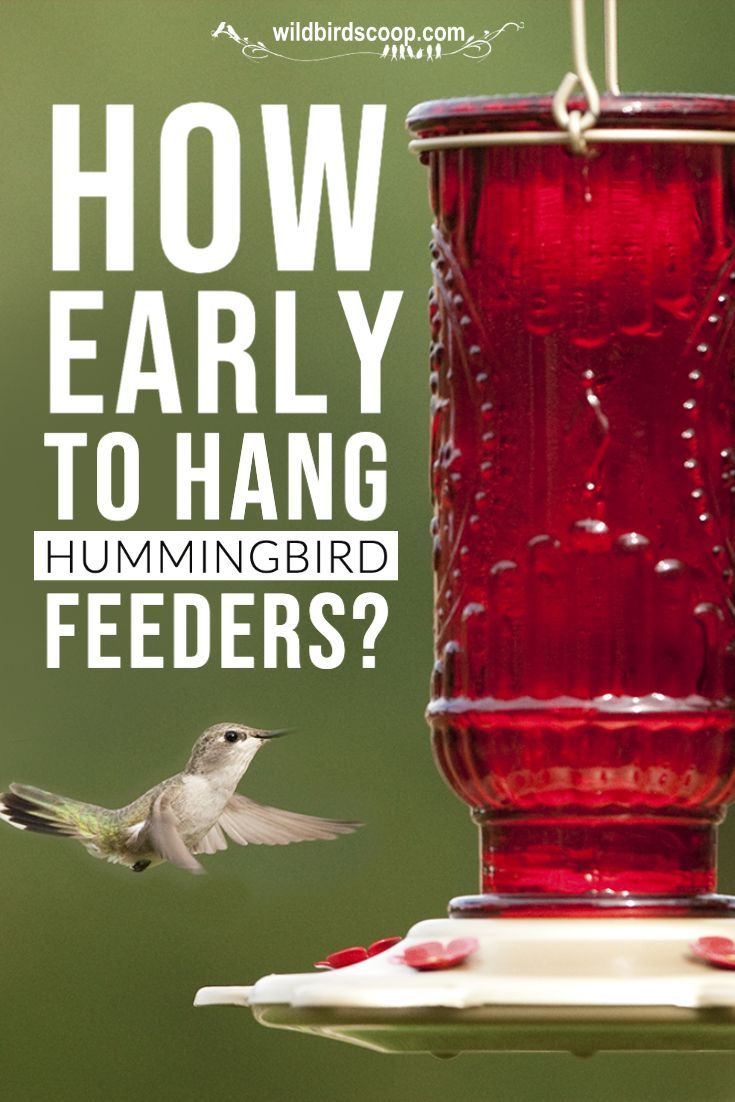

By understanding why flies are attracted to hummingbird feeders and implementing the strategies mentioned above, you can create a hummingbird-friendly environment that minimizes fly activity.
The joy of watching hummingbirds in your garden can be enhanced by maintaining a clean and well-designed feeder. Regular maintenance, feeder location, and incorporating plant preferences can help attract these captivating birds while deterring flies. So, go ahead and enjoy the hummingbirds – just remember to keep an eye out for those pesky flies!