Hurricane season in the Northern Hemisphere, which includes Mexico, officially runs from June to November. If you're wondering, "Does hurricane season affect Mexico?" the answer is an unequivocal yes. This phenomenon significantly influences the country's weather, tourism, and even its economy. Let's delve into the details.
Mexico's extensive coastline and tropical latitudes make it particularly vulnerable to hurricanes. The country has a Checkered history with these powerful storms, with some of the most devastating hurricanes occurring in the past two decades.
Mexico's Hurricane-Prone Regions
Mexico's Pacific coast, especially the states of Michoacán, Colima, Jalisco, and Nayarit, are particularly vulnerable due to their exposure to warm Pacific waters. The Gulf of Mexico side, including states like Veracruz, Tamaulipas, and Yucatán, is also highly prone to hurricanes.
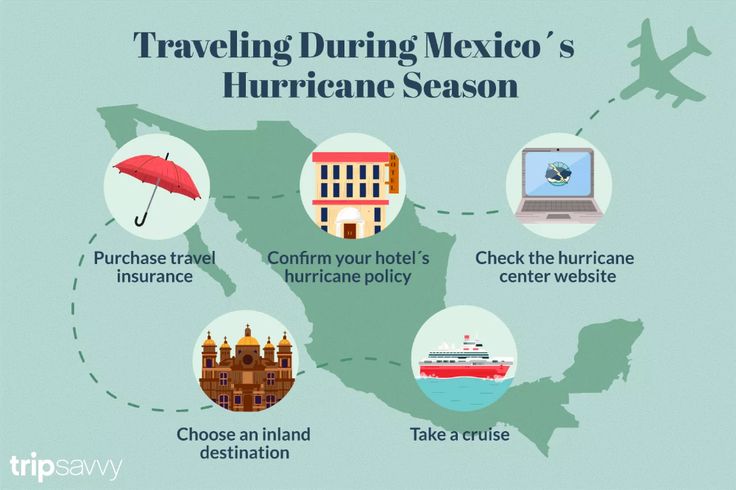


The Yucatán Peninsula, home to popular tourist destinations like Cancún and Tulum, often bears the brunt of storms from the Gulf of Mexico and Caribbean Sea. Its low-lying levels and high winds make it particularly susceptible to flooding and storm surges.
Impacts on Tourism and Travel
Hurricanes significantly disrupt tourism, one of Mexico's major economic drivers. Storm closures and evacuations can last for weeks, delaying or canceling travel plans and causing substantial losses for businesses.


However, it's not just about disruptions. Hurricane season also influences travel decisions. Many tourists avoid Mexico's coastal areas during these months, leading to decreased visits to popular destinations, such as Acapulco, Cancún, and Cozumel.
Economic Implications
Hurricanes can have catastrophic economic consequences for Mexico. The damage to infrastructure, homes, and businesses can run into billions of dollars. For instance, Hurricane Wilma in 2005 caused an estimated $1.5 billion in damage to the Yucatán Peninsula alone.
Moreover, these storms can disrupt supply chains, affecting the production and distribution of goods, and impact Mexico's agriculture sector, particularly in tropical regions where hurricanes often happen.


Mexico's Hurricane Preparedness
In response to these challenges, Mexico has developed advanced early warning systems and emergency response protocols to minimize hurricane risks. The country's National Meteorological Service (SMN) closely monitors weather patterns and provides regular updates.
Local authorities conduct regular evacuation drills and have evacuation plans in place. Many coastal communities are equipped with emergency shelters, and building codes have been improved to withstand high winds and flooding.
Climate Change and Hurricane Season
Climate change is expected to make hurricanes more frequent and severe in Mexico. Rising sea temperatures can intensify storms, while sea-level rise increases the threat of coastal flooding.


Warmer temperatures also lead to more rainfall, worsening flood risks for inland communities. Therefore, understanding and adapting to these changes are vital for building a more resilient Mexico.
Despite these challenges, Mexico remains a fascinating and diverse country, attracting millions of visitors each year. Embracing responsible tourism practices and supporting local economies can help ensure that both tourists and host communities thrive, even during hurricane season.