Experience the quintessential Japanese delicacy - Hachiya persimmons. Belonging to theonosma family, these astringent wonders are not just fruit, but a culinary adventure.
To the uninitiated, biting into an unripe Hachiya persimmon can be a disastrously tannic event. However, patience and timing reveal its opportunistic sweetness, making it a beloved delicacy in Japan and beyond.
Understanding Hachiya Persimmons
Hachiya persimmons are typically heart-shaped with a deep orange color when ripe. They're firm yet tender, and their skin is smooth. Their foliage is deciduous, and they prefer warmer climates, making them perfect for regions like California and Japan.


The unique selling point of Hachiya persimmons is their versatility. You can enjoy them fresh, dried, or even cooked. They're often used in salads, desserts, or as a standalone snack.
Ripes and Astringency
Hachiya persimmons are astringent until they're perfectly ripe. This means they contain tannins that make your mouth feel dry and puckery. But fret not! The ripe fruit is delightfully sweet and velvety.


Wait for the fruit to soften naturally or, for a quicker ripening process, place them in a paper bag with an apple or banana. The ethylene gas produced by these fruits will speed up the ripening process.
Harvesting and Storage
Harvest Hachiya persimmons when they're mostly orange, and the flesh inside is somewhat gelatinous. Then, let them ripen further off the tree. They can tolerate a few degrees of frost but are sensitive to extreme temperatures.
Once ripened, store them at room temperature for immediate use or refrigerate for up to a week. For longer storage, consider freezing or dehydrating them.


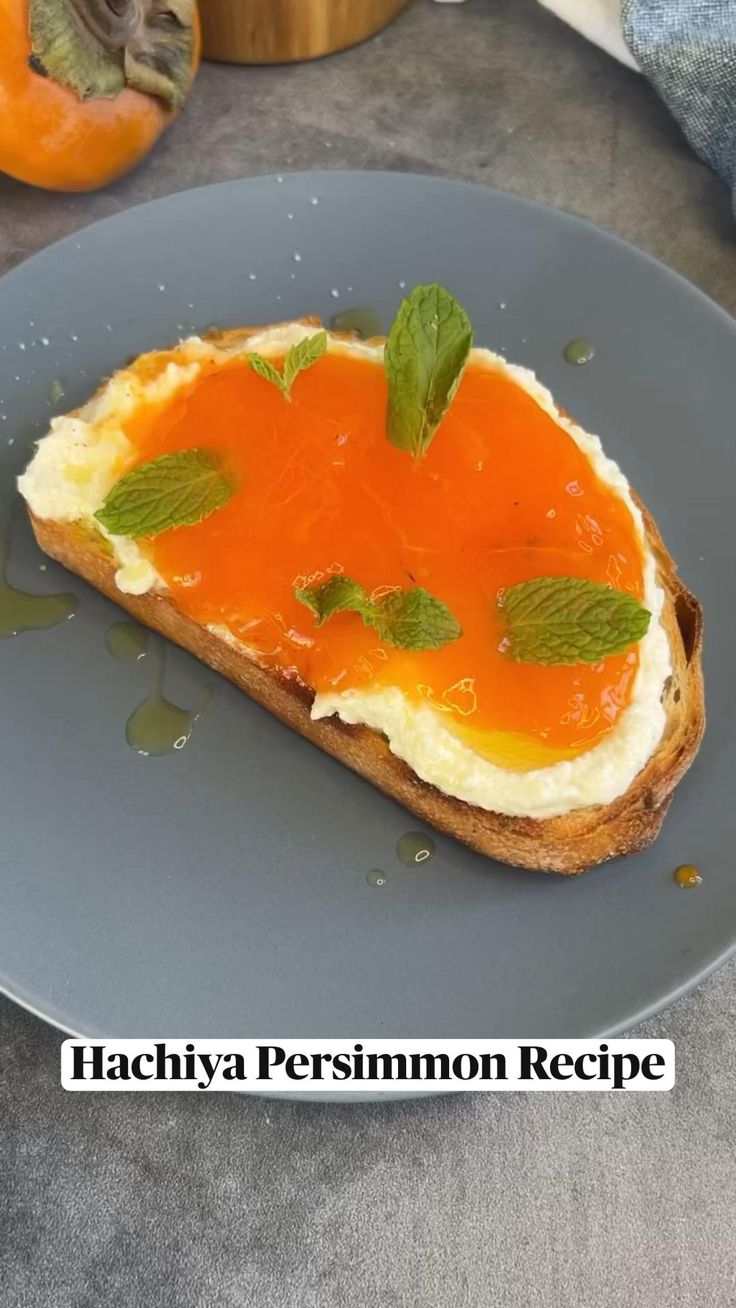


Cooking with Hachiya Persimmons
From mouth-watering desserts to savory dishes, Hachiya persimmons adapt their flavor profile seamlessly. They're perfect for creating balanced sweet and tangy flavors.
Be creative with these versatile fruits. Here are some ideas:
Traditional Recipes
Enjoy them in their traditional glory - Hoshigaki, the dried persimmon. It's a simple process of rubbing and massaging the persimmon's skin to bring out its natural sweetness.


Fuyu, a type of Hachiya persimmon, is commonly used in Japanese dishes like miso soup and salads. Try adding thin slices into your favorites; you'll be surprised by the added crunch and flavor!
Beyond Traditional
Intensify your culinary journey by trying Hachiya persimmons in western dishes. They pair incredibly well with cheese and nuts.
Consider making a persimmon chutney or jam to add to your charcuterie board. Or bake your favorite persimmon cake - it's a guaranteed hit!
Embrace the unique charm of Hachiya persimmons. Their story is one of patience and reward, much like many great culinary experiences. So, wait, savor, and enjoy the sweetness of capture!