For centuries, the Inuit people of the Arctic have relied on seal hunting as a primary means of survival and cultural identity. This pratique, deeply ingrained in their history and tradition, has evolved over time, shaped by environmental changes and global influences. Let's delve into the rich history of Inuit seal hunting, its significance, and its transformations.
The history of Inuit seal hunting is intertwined with the origins of the Inuit themselves, who migrated from Siberia to North America around 5,000 years ago. As they settled in the harsh Arctic environment, they adapted their lifestyle to the resources at hand, with sea mammals, particularly seals, becoming a staple of their diet.
A Historical Necessity
The Arctic's severe climate and barren landscape made it challenging for the Inuit to cultivate crops or raise livestock. Thus, they developed a subsistence lifestyle based on hunting, fishing, and gathering. Seals provided them with a vital source of food, clothing, and tools, making seal hunting an indispensable practice for their survival.


Inuit communities across the Arctic, from Alaska to Greenland, developed unique traditions and techniques around seal hunting, reflecting their local environments and cultures. For instance, Inuit hunters in Labrador would use traditional harpoons, while those in Alaska might rely more on modern firearms.
Traditional Technology and Skills
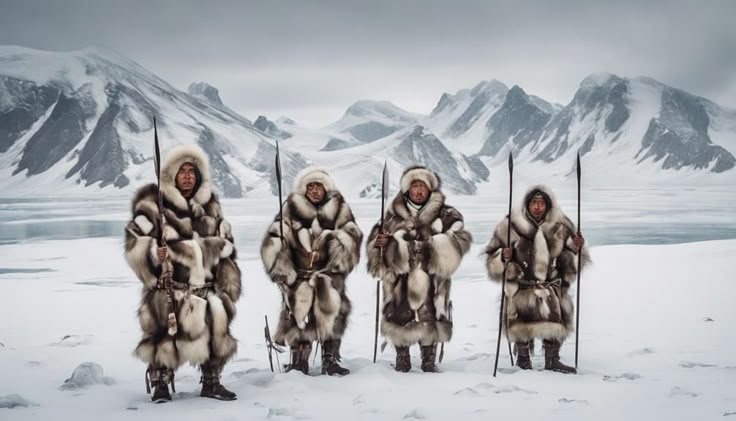
Inuit hunters showcased remarkable skill and ingenuity in their pursuit of seals. They crafted harpoons, lances, and boats with caribou hide, bone, and stone, demonstrating their mastery over the local ecosystem. These tools, combined with their deep understanding of seal behavior, allowed them to successfully hunt these intelligent and agile marine mammals.


Women also played a crucial role in seal hunting, preparing and preserving the catch. They would gut and skin the seals, transforming their remains into various useful items, such as clothing, rope, and musical instruments, ensuring minimal waste.
The Impact of Colonialism and Globalization
The arrival of European colonizers in the Arctic brought significant changes to Inuit seal hunting. Trading posts facilitated the exchange of furs for manufactured goods, shifting the economic landscape. Moreover, outside influences introduced new technologies, like firearms and modern hunting equipment, which gradually replaced traditional tools.
However, these changes also led to challenges. Increased demand for furs drove overhunting, threatened the sustainability of seal populations, and disrupted traditional hunting practices. Furthermore, global interest in sealing, spurred by the commercial fur trade, led to the near-extinction of some seal species in the 19th and early 20th centuries.


A Modern Practice in a Changing World
Today, seal hunting remains an essential part of Inuit life, both culturally and economically. Many Inuit communities still depend on seals for food and income, trading sealskins and other marine mammal products globally. However, contemporary sealing faces new challenges, including stricter regulations and international criticism.
In response to criticism, many Inuit organizations have advocated for their rights to continue sustainable sealing, emphasizing its role in their cultures and communities. For instance, the Inuit Circumpolar Council works globally to promote these rights and fight against the misrepresentation of seal hunting as inhumane or unnecessary.
Sustainable Sealing and Conservation Efforts
Inuit hunters now prioritize sustainability, adhering to strict quotas and hunting methods that minimize suffering. They actively participate in scientific research, ensuring the health and longevity of seal populations. For example, hunters in Canada collaborate with scientists to monitor seal populations and inform management strategies.


Despite these efforts, climate change poses untold threats to Arctic ecosystems and the sustainability of seal hunting. Rising temperatures melt sea ice, altering seal habitats and migration patterns. Inuit hunters must therefore adapt their practices, monitor changes in seal behavior, and advocate for their communities in the face of this global crisis.
In conclusion, Inuit seal hunting stands as a testament to human adaptability and resilience. From ancient origins to contemporary challenges, this practice has evolved to meet changing circumstances. As the Arctic faces an uncertain future, the Inuit remain committed to preserving their cultural heritage and sustaining their communities through seal hunting, resilient in the face of climate change and global pressures.