The Isuzu Rodeo, a compact SUV produced from 1993 to 2002, is known for its rugged capabilities and versatile design. Among its many features, the Isuzu Rodeo's roof is a topic of interest for enthusiasts and owners alike. In this guide, we'll delve into the intricacies of the Isuzu Rodeo roof, addressing common questions and providing practical information.
Whether you're considering purchasing a Rodeo, unfolding the mystery of your current one, or embarking on a DIY adventure, understanding your car's roof can enhance your ownership experience. So, let's scrutinize the Isuzu Rodeo roof, inside and out, and discover what makes it a crucial element of this beloved SUV.
The Anatomy of the Isuzu Rodeo Roof
The Rodeo's roof is designed for both aesthetics and functionality, seamlessly blending with the vehicle's overall design. It's part of the unibody construction, engineered to distribute stress and provide structural integrity.


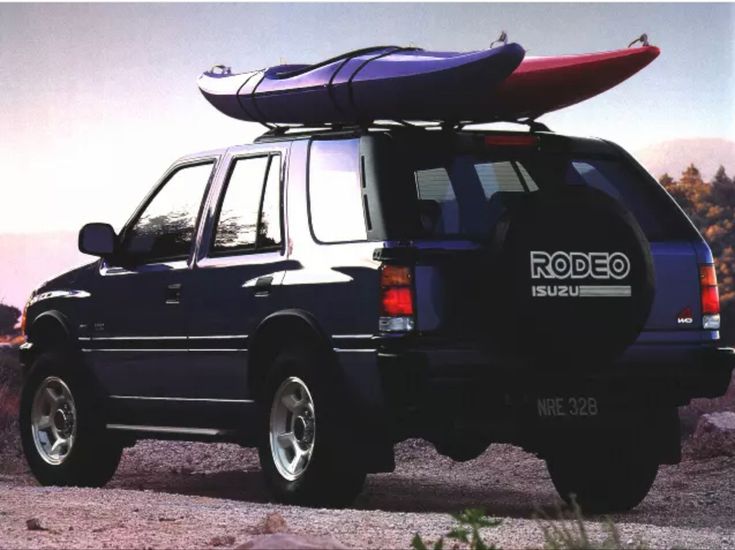
For ease of understanding, we'll break down the Isuzu Rodeo roof into three primary components: the sunroof, the roof rails, and the roof itself.
The Sunroof: A Glimpse Above
The sunroof is a popular feature in many Rodeo models. It's typically a sliding glass panel that allows natural light and fresh air into the cabin. In some models, it can retract completely for an enhanced open-air experience.


While sunroofs can be a delight, they also present potential maintenance issues. Keep in mind that water can leak through the seal around the sunroof. Regular checks and proper care can prevent such issues.
Roof Rails: A Mounting Advantage
Roof rails are sturdy crossbars running along the length of the roof. They're ideal for carrying additional cargo, like bikes or kayaks, using roof racks. The Rodeo's roof rails are built to handle weight, with some models boasting a capacity of up to 150 lbs.
However, they're not just for carrying loads. Roof rails can also enhance your car's appearance, giving it a more rugged, adventure-ready look. Just ensure they're properly installed and maintained for optimal performance.


Common Issues and Troubleshooting
No car component is immune to potential issues, and the Isuzu Rodeo roof is no exception. By understanding common problems and their solutions, you can save time and money when troubleshooting.
One common issue is a noisy roof. This could be due to a loose or damaged sunroof track or a need for lubrication. Another problem could be water leaks, usually around the sunroof or where the roof meets the windshield, which can be addressed by inspecting and replacing seals.
Regular Maintenance: Ensuring Roof Longevity
Regular maintenance is key to keeping your Rodeo's roof in tip-top shape. Here are some essential maintenance tasks:


- Regular cleaning to prevent dirt and debris buildup, which can damage the finish and cause leaks.
- Inspecting and lubricating the sunroof track to ensure smooth operation and prevent noise.
- Checking seals around the sunroof and where the roof meets other panels for cracks or deterioration, replacing them as needed.
- Inspecting the roof rails for signs of damage or wear, ensuring they're securely attached.
DIY Roof Repairs: When to Take the Bulls by the Horns
Some roof issues can be tackled at home with the right tools and knowledge. For instance, you can replace sunroof seals or lubricate the track. However, there are times when professional help is necessary, such as when dealing with extensive damage or complex repairs.
Always remember, safety is paramount when working on your car. Ensure you're comfortable with the task at hand, use appropriate safety gear, and don't hesitate to call a professional if you're unsure.
The Isuzu Rodeo roof is more than just a lid; it's a functional and aesthetic marvel that enhances your driving experience. Understanding its intricacies and caring for it properly can extend its lifespan and your enjoyment of your vehicle. So, whether you're on the hunt for a new Rodeo, maintaining your current one, or embarking on a DIY adventure, let this guide help you navigate the world of the Isuzu Rodeo roof.