Do your new brakes make a squeaking sound when you apply them? You're not alone. This common issue can be quite puzzling and even worrying, but understanding the reasons behind it can help you address the problem effectively.
New brakes might squeak for several reasons, ranging from the bedding-in process to more serious issues. Let's dive into the world of squeaky brakes to uncover their secrets and determine when it's time to take action.
Understanding New Brakes Squeak Sound
New brakes often exhibit squeaking due to their initial construction and installation. During this period, they undergo various changes that cause noise. Understanding these reasons can help you distinguish between normal and abnormal squeaking.


However, persistent squeaking can be a symptom of more pressing issues. By identifying the root cause, you can maintain your brake health and ensure safety on the road.
Bed-in Process
The bed-in process is one of the primary reasons for new brakes squeaking. When new brake pads are installed, they have a specific surface finish and shine that needs to be worn off. This is achieved through the bedding-in process, where the pads are gently worked and heated to create an even surface.

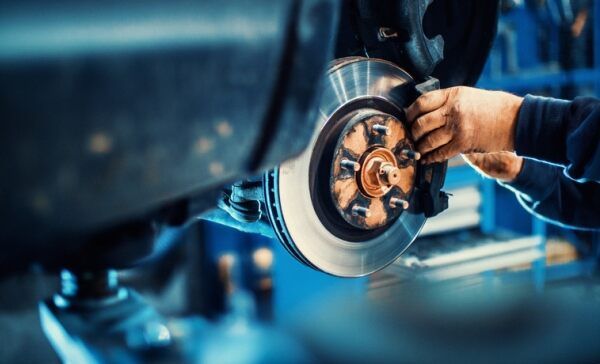

During this process, new brakes can emit a squealing or squeaking sound as the pads warm up, expel excess lubricants, and wear down slightly. This period usually lasts a few days to a few weeks of gentle driving.
Glaze Layer
Over time, brake pads develop a thin layer of hardened friction material on their surface, known as a glaze layer. This layer forms due to excessive heat generation during hard braking or aggressive driving. When new brake pads are installed, they might come with a factory-applied layer to prevent rust during storage and transportation.
To eliminate these layers and expose the grippy friction material within, the bedding-in process is crucial. Once the glaze layer has been worn down, the squeaking should stop, and your brakes will work optimally.


Persisting Squeaks: When to Worry
While some squeaking is normal during the bedding-in process, persistent or loud squeals can indicate more serious issues. Pay attention to the following signs to determine when it's time to take your vehicle for professional brake service.
Before diving into these potential problems, remember that every vehicle is unique, and some cars are more prone to brake squeaking than others. Always consult your vehicle's owner manual for specific guidance on brake maintenance and noises.
Misaligned or Worn Pads
Brake pads that are not well-aligned with the rotor or have worn unevenly can cause persistent squeaking. In some cases, misalignment might be due to improper installation, while uneven wear can be a symptom of other problems, such as poorly aligned suspension components or inconsistent braking habits.


If your brake pads appear misaligned or unevenly worn, it's essential to have them examined by a professional mechanic. They can correct any issues with alignment and replace worn pads if necessary.
Contaminated Brake Pads
Brake pads can become contaminated with foreign substances, such as oil, grease, or other debris, which can cause persistent squeaking. Contamination can occur due to poor vehicle maintenance, fluid leaks, or improper pad installation.
If your brake pads are contaminated, they should be thoroughly cleaned and inspected. In some cases, cleaning the pads and resurfacing the rotors might be sufficient. However, if contamination is severe or combined with other issues, it may be necessary to replace the pads and rotors entirely.
Glazing and Corrugation
Over time, hard braking and excessive heat can cause the friction material on brake pads to harden and form a glazed layer on the rotor's surface. This process, known as glazing, can lead to persistent squeaking and reduced braking performance.
In some cases, the rotor's surface may also develop small grooves or corrugations due to excessive wear or improper resurfacing. These grooves can cause brake pads to vibrate and emit a distinctive squealing noise when applied.
To address glazing and corrugation, you may need professional mechanical assistance. A reputable mechanic can resurface or replace your brake pads and rotors to restore optimal braking performance and eliminate squeaking.
Worn or Distorted Rotors
Rotors that have worn excessively or become distorted can cause persistent brake squeaking. Worn rotors typically exhibit visible grooving, while distorted rotors may have runout or waviness that affects their contact with the brake pads.
If your rotors are worn or distorted, replacement is usually the best course of action. Attempting to resurface worn rotors may only exacerbate the problem and result in premature pad wear. Always consult a professional mechanic for rotor replacement to ensure proper installation and optimal brake performance.
The Importance of Regular Brake Inspections
Regular brake inspections should be an integral part of your vehicle maintenance routine. By keeping an eye on your brake system's components, you can address potential issues early and prolong the life of your brakes.
During a brake inspection, a professional mechanic will examine your brake pads, rotors, calipers, and other components for signs of wear, damage, or misalignment. They will also check your brake fluid levels and perform a test drive to assess your vehicle's braking performance.
Prompt Action Can Save You Money and Time
Early detection and timely intervention can help you avoid costly repairs and lengthy downtime. By addressing minor brake issues promptly, you can prevent them from worsening and causing more extensive damage to your braking system.
Moreover, maintaining your brakes in optimal condition ensures your safety on the road. Functional and responsive brakes help you maintain control of your vehicle and avoid potential accidents.
When to Seek Professional Assistance
While understanding the causes of new brakes squeaking can help you identify simple solutions like bedding-in, there are situations when professional mechanical assistance is crucial. If you notice any of the following, it's time to consult a reputable mechanic:
- Persistent or loud squeaking that doesn't improve after gentle driving and the bedding-in process
- Brake pads that appear contaminated, incorrectly aligned, or unevenly worn
- Worn or distorted rotors that exhibit grooving, runout, or waviness
- Any other unusual sounds, vibrations, or sensations while braking
Trust your instincts, and don't ignore potential brake issues. Prompt action and regular maintenance can help you avoid costly repairs, preserve your vehicle's value, and ensure your safety on the road.
In the world of new brakes squeaking, understanding the reasons behind the noise can help you differentiate between normal and abnormal squeaking. By grasping the bedding-in process and other potential causes, you can take appropriate action to maintain your brake system's health and enjoy a safer, more confident driving experience.