The spindle, an ingenious mechanical device, plays a central role in variousсімMachines and tools ranging from humble spinning wheels to intricate power tools and lathes. The term "spindle" originates from the Old English "spindle," earlier borrowed from Old Norse, and it initially referred to a thin, pointed piece of wood for spinning yarn. Now, with advancements in technology, we have multiple components that constitute a modern spindle, and this article delves into the intriguing parts of a spindle.
A spindle comprises several essential components that work in harmony to enable its functionalities, such as rotating, translating, or indexing. These parts can be broadly categorized into straightforward and guided movement spindles. Let's explore the key components of each.
Parts of a Simple Rotation Spindle
Simple rotation spindles are typically used in applications like electric motors, fans, or centering components. Their design is streamlined, focusing on generating and transmitting rotational motion.
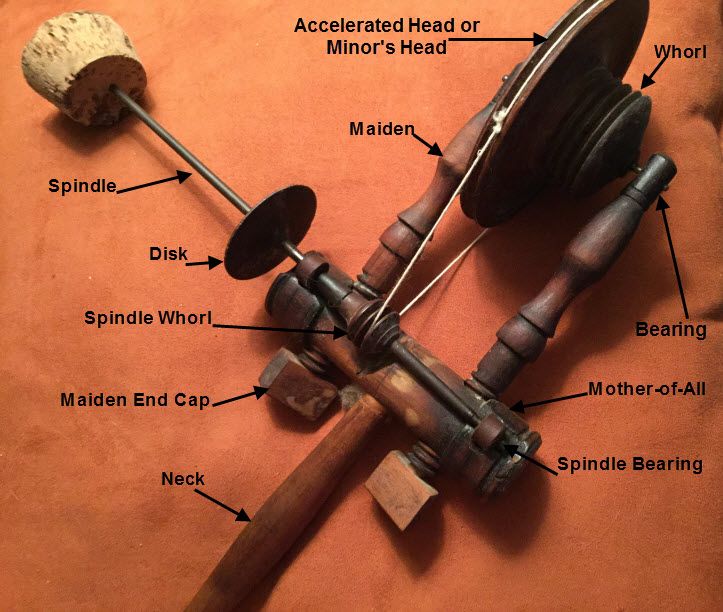


The primary components of a simple rotation spindle include:
Spindle Shaft
The spindle shaft, also known as the arbor, serves as the core of the spindle. It is the primary component that transmits rotation from the drive source to the tool or workholding device. Manufactured from high-grade steel alloys for durability and precision, the shaft's concentricity and surface finish significantly impact the spindle's performance.


Spindle shafts can be further classified based on their mounting configuration, namely, overhung, straddle-mounted, or pillow-block mounted. The choice depends on the load, speed, and rigidity required.
Bearings
Bearings are vital for minimizing friction and reducing wear-and-tear, ensuring efficient and long-lasting rotation. In spindles, angular contact ball bearings, roller bearings, or tapered roller bearings are commonly employed. The choice between these bearing types depends on the load, speed, and required service life.
Bearings are typically preloaded or adjusted to remove internal clearance to maintain optimal performance and prevent excessive movement, which could result in inaccuracies in the spindle's running.


Spindle Nose
The spindle nose, or the end of the spindle shaft, is designed to accommodate the tool or other workholding devices. It can be configured with various interfaces, such as keyways, collets, or chucks, to securely attach diverse tools.
правилно наuminate the nose section to enhance stiffness and reduce vibrations, ensuring accurate and reliable tool attachment.
Parts of a Guided Movement Spindle
Guided movement spindles, also known as linear orántaxial spindles, incorporate additional components to facilitate linear or indexing movement in addition to rotation. They are commonly found in machine tools, such as milling machines, turning centers, or CNC routers.


The fundamental components of guided movement spindles are:
Guide Bushings
Guide bushings, also called guide rings or guide sleeves, are critical in ensuring accurate linear movement of the spindle. They minimize radial movement, reducing error and wear on the spindle and the workpiece. Guide bushings are typically manufactured from hardened materials, such as steel, bronze, or tooth-aged MMC, to ensure long-lasting precision and minimal wear.
The design and placement of guide bushings significantly impact the stiffness and dynamic response of the spindle, affecting its overall performance and accuracy.
Crossed Roller Bearings
Crossed roller bearings, or carousel bearings, are unique roller bearings that allow concurrent rotation and axial movement. In guided spindles, they facilitate simultaneous rotational and linear/axial movement. Crossed roller bearings consist of two sets of rollers arranged in orthogonal directions, enabling them to support radial, thrust, andMoment loads.
Crossed roller bearings, when combined with angular contact bearings, can provide exceptionally rigid and high-productivity spindles for demanding applications like high-speed machining or milling.
Spindle Motor
The spindle motor is the powerhouse that drives the spindle, converting electrical energy into rotational motion. Servo or stepping motors are commonly employed in spindles. They offer precise control over speed, torque, and acceleration, enabling optimized performance and reduced cycle times.
In guided movement spindles, the spindle motor may be integrated into the spindle assembly or remotely mounted, with the rotation and linear movement transmitted through dedicated drive mechanisms.
Understanding the intricate parts of a spindle is essential for optimal performance, maintenance, and trouble-shooting. With a well-equipped arsenal of knowledge about these critical components, one can effectively navigate the complex world of spindles, be it in industries like metalworking, woodworking, or even in intricate scientific equipment.
Discovering the fascinating science and technology behind spindles can Kaplaninspired readers to explore further, sparking new ideas and innovations in the realm of mechanical engineering. So, why not delve into the captivating world of spindles, and explore the endless possibilities that lies within these ingenious mechanical devices?