Ah, the comforting aroma of garlic and herbs, the symphony of bubbles in a pot of water, and the satisfying twirl of a fork around a steaming mound of pasta – these are the hallmarks of an italiano in cucina, an Italian in the kitchen. Today, we're immersing ourselves in the hearty world of pasta al forno con ragu bolognese, a comforting and satisfying dish that's as rooted in tradition as it is inviting to the modern palate.
Starting fromNorcia, Italy, where the ancient art of pasta-making was perfected, to the cobblestone streets of Bologna, where the city's signature meat sauce, ragù, originates, this dish is a journey through Italian culinary heritage. But fear not,Dear food adventurer, for we'll demystify this beloved classic, guiding you through its history, making process, and variants, ensuring you'll soon be tucking into a plate of pasta al forno con ragu bolognese that's worthy of Italia itself.
Unveiling the History and Origins
Our tale begins in the ancient world, where pasta was a staple, made from humble flour and water. The Arab occupiers of Sicily introduced tomatoes in the 8th century, forever changing the course of Italian cuisine. The pasta we know today evolved over centuries, with techniques and ingredients evolving with the times. Pasta al forno, pasta cooked in the oven, was born out of necessity, a way to preserve precious ingredients during winter. Ragù bolognese, a meat-based sauce, creeps into history in the late 19th century, slow-cooked and enriched with milk to make it suitable for children, earning it the name "baby's food" or "bolognese"


The unification of Italy in the 19th century and the influx of immigrants brought these regional specialties to the rest of the country. Today, pasta al forno con ragu bolognese is a staple, loved for its heartiness, simplicity, and versatility, a testament to Italy's diverse culinary tapestry.
Ragù Bolognese: The Secret Isn't in the Speed, But the Patience
At the heart of pasta al forno con ragu bolognese is ragù, a slow-cooked sauce that's as much about patience as it is about ingredients. Traditional ragù is made with a mix of minced meats, typically beef and pork, onions, celery, carrots, garlic, tomatoes, and milk. The secret? Cooking it low and slow to develop a rich, deep flavor. It's not about a quick, shiny sauce, but a labor of love, a comforting reminder of home.


reducting heat to a gentle simmer, add the milk, a splash at a time, stirring continually. Once absorbed, add a spoonful of tomato paste, stirring well. Cook for another hour, tasting and adjusting seasoning. Ragù is a forgiving art, allowing for experimentation – a splash of red wine, a pinch of nutmeg, the secret's in the taste.
Pasta Al Forno: Baking Pasta to Perfection
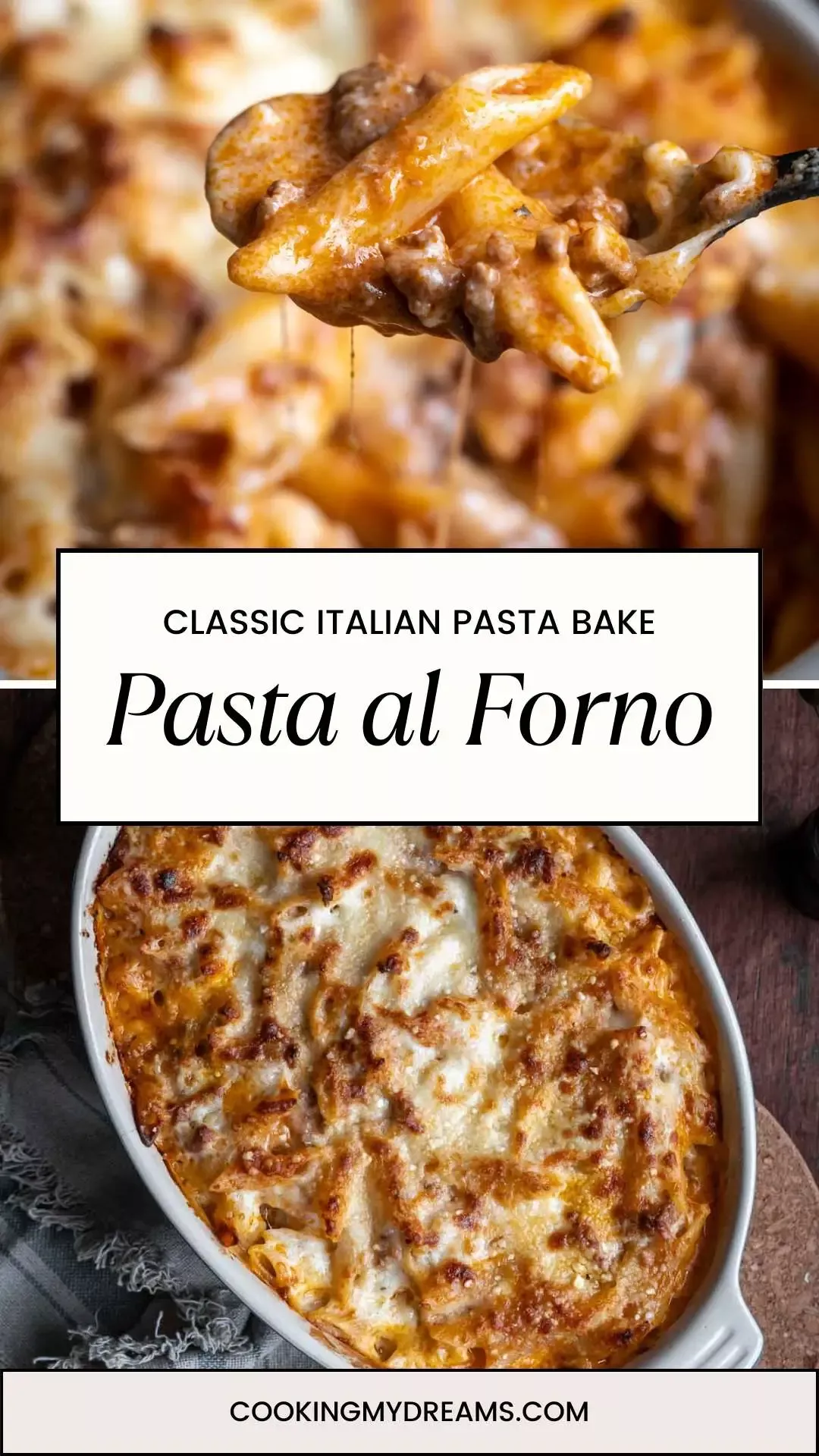
Pasta al forno (baked pasta) is a contrasting dance of textures and flavors. Pasta, cooked barely al dente, is tossed with ragù, layered with cheese, and baked until golden and bubbly. The oven's heat finishes the cooking process, melding flavors and adding a delightful crispiness to the pasta's surface.
Start by cooking short pasta shapes, like penne or rigatoni, al dente. Drain, reserving some pasta water. In a large bowl, combine the pasta, ragù, and a portion of your chosen cheese. If the sauce is too thick, loosen it with a bit of pasta water. Taste and adjust seasoning. Transfer to a baking dish, topping with more cheese and, if you wish, a sprinkle of breadcrumbs for extra crunch.


Variants and Experiments
Pasta al forno con ragu bolognese is a classic, but it's also a canvas for creativity. From adding vegetables to creating insolent vegan versions, the possibilities are endless. Let's explore a couple of these variants, because blending tradition with innovation is what keeps cuisine alive.
Veggienno: A Vegetarian Delight
For a vegetarian version, swap the meat in your ragù for a mix of sautéed vegetables. Mushrooms, carrots, celery, and bell peppers all work beautifully. Add a can of tomatoes, some vegetable broth, and simmer as you would a traditional ragù. The result? A hearty, veggie-packed sauce that's as comforting as it is nourishing.
To make it vegan, simply skip the cheese topping, or opt for a plant-based alternative. Finish the dish with a sprinkle of nutritional yeast for that umami cheesy flavor. Serve with a side of garlic bread and a crisp green salad for a balanced, satisfying meal.


Maccheroni alla Chitarra con Ragù di Cecina: A Seaside Twist
Hailing from the coastal regions, this variant swaps the traditional ragù for a seafood version. Cecina, a salt-cured dried fish, is soaked, flaked, and cooked with onions, garlic, tomatoes, and white wine. The result is a lighter, brinier sauce that's perfect for summer days.
For the pasta, try using maccheroni alla chitarra, a square-cut pasta typical of Abruzzo. Cook, toss with the cecina ragù, top with pecorino cheese and fresh parsley, and bake until golden. The contrast of the salty, savory sauce and the creamy, baked pasta is a sea-to-table delight, elevating your pasta al forno to new culinary heights.
Embracing pasta al forno con ragu bolognese is embracing Italy, with all its regional diversity and culinary passion. So, fire up your oven, roll up your sleeves, and dive into this comforting classic. Who knows? You might just start a new tradition in your own kitchen. Buon appetito!