The unsung heroes of automotive engineering, fender liners, play a pivotal role in vehicle functionality and aesthetics. While their name might not ring a bell among car enthusiasts, their purpose is paramount in ensuring safe, comfortable, and visually appealing rides. Let's delve into the world of fender liners, their functions, and why they are indispensable components in modern vehicle design.
Fender liners, also known as wheel arch liners, are strategically placed underneath the vehicle's fenders or wheel wells. They are typically made of durable, flexible materials such as plastic or rubber, designed to withstand the rigors of daily use and extreme driving conditions. But what exactly do these humble pieces of equipment do?
The Primary Function of Fender Liners
The primary purpose of fender liners is to provide a protective barrier between the vehicle's undercarriage and the road. As the tires spin, they scatter debris like pebbles, dirt, and mud, which could potentially damage essential automotive parts if left unchecked. This is where fender liners come into play.
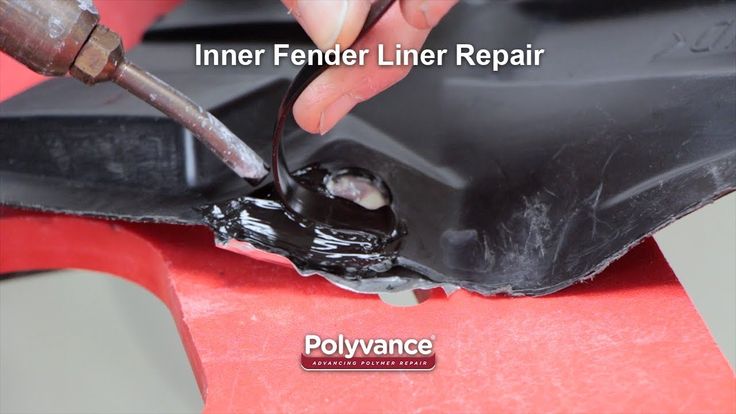


Debris and Rust Protection
By absorbing the impact of road debris, fender liners significantly reduce the likelihood of damage to the vehicle's underside. They also serve as a robust shield against rust by preventing water and salt residue from coming into direct contact with the car's metal components. This helps maintain the vehicle's structural integrity and extends its lifespan.
Moreover, modern-day fender liners are designed with integrated splash guards to deflect water and mud splashes away from the vehicle's body and into the ground. This not only contributes to vehicle aesthetics but also enhances driver visibility by keeping the windshield and side mirrors clean.


Noise Reduction and Comfort
In addition to their protective roles, fender liners play a crucial part in creating a tranquil driving environment. The hollow spaces beneath the fenders would otherwise act as echo chambers, amplifying road and tire noise. However, fender liners fill these voids, absorbing and dampening sound waves, ensuring a quieter, more enjoyable ride for passengers.
Furthermore, they help tame tire roar, a common issue among vehicles traveling at high speeds. By altering the airflow patterns across the tires, fender liners minimize tire noise, making long drives less strenuous and more comfortable.
The Role of Fender Liners in Vehicle Aerodynamics
Fender liners aren't just there to provide protection and comfort; they also play a vital role in vehicle aerodynamics. Manufacturers carefully design and position fender liners to optimize airflow around the vehicle, improving fuel efficiency and handling stability.


The intricate contours of fender liners guide the airflow efficiently over the tires and wheel arches, bypassing obstacles and reducing drag. This not only ensures better fuel economy but also enhances the vehicle's performance, making it more responsive and agile on the road.
Air Management and Heat Dissipation
Fender liners also facilitate effective heat management. By channeling cool air towards the brakes and exhaust system, they help maintain optimal operating temperatures, preventing overheating and promoting longer component life. Simultaneously, they divert hot air away from vital vehicle parts, reducing the likelihood of damage from extreme heat.
In essence, fender liners aren't just afterthoughts in vehicle design. They are strategic components that serve multiple functions, contributing significantly to a vehicle's overall performance, aesthetics, and longevity. So, the next time you admire a smoothly running, quiet, and well-protected car, remember the humble fender liners playing their part behind the scenes!

