The Snake Plant (Sansevieria trifasciata), also known as Mother-in-Law's Tongue, is a hardy, low-maintenance houseplant that's beloved for its upright, sword-like leaves and architectural aesthetic. One of the most frequent questions gardeners ask about snake plants is "What is the ideal pot size for a Snake Plant?" Today, we'll delve into the intricacies of repotting your snake plant, discussing pot size, growth stages, and providing practical tips to ensure your plant thrives.
Firstly, understanding your snake plant's growth rate is essential when considering repotting and pot size. These plants grow slowly, typically adding only about 2-4 inches in height per year, with new leaves emerging every 2-5 years under optimal conditions. This slow growth means you won't need to repot frequently, but choosing the right pot size is crucial.
Selecting the Right Pot Size for Snake Plants
Snake plants prefer to be slightly root-bound, and repotting should be done sparingly. However, choosing the optimal pot size is vital for your plant's health and growth. Here, we'll explore the appropriate pot sizes for different growth stages.

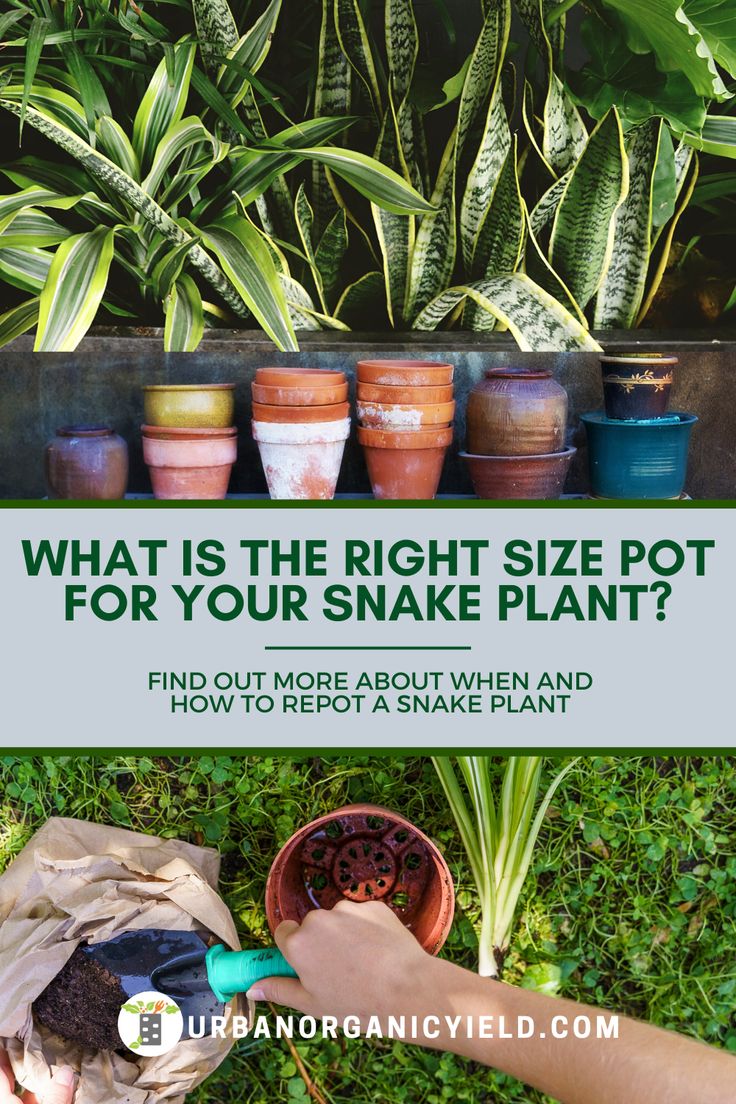

Small Snake Plants (Less than 12 inches tall)
For small snake plants, a 4-inch or 6-inch pot is usually sufficient. These sizes accommodate their modest root systems and provide enough space for growth without encouraging leggy stems.
Example: A young snake plant, around 8 inches tall, would be happy in a 6-inch pot. This size offers ample room for the plant to grow for the next few years without needing repotting.


Medium to Large Snake Plants (12 to 36 inches tall)
As your snake plant grows, you'll need to upgrade its pot. For medium-sized plants, a 8-inch or 10-inch pot should provide enough space. For larger plants, consider a 12-inch or even 14-inch pot.
Example: A snake plant that's 24 inches tall with a few mature leaves will fare well in a 10-inch pot. This size allows for continued growth without compromising the plant's stability.
Factors to Consider When Choosing a Pot
Now that we've discussed pot sizes, let's delve into additional factors to consider when selecting the best pot for your snake plant.


Pot Material
Choose pots made of plastic, terracotta, or ceramic. Plastic and ceramic pots are lightweight and durable, while terracotta pots offer better drainage and can help regulate soil moisture.
Example: Terracotta pots are an excellent choice for snake plants, as they provide good drainage and allow the roots to breathe, preventing root rot.
Drainage
Regardless of the pot material, ensure your pot has adequate drainage holes. Poor drainage can lead to overwatering, causing root rot – a common killer of snake plants.


Example: If using a pot without drainage holes, make sure to create some by gently drilling or文 into it to prevent waterlogging.
In finale, selecting the right pot size for your snake plant is a blend of art and science – considering your plant's size, growth rate, pot material, and drainage. By choosing the appropriate pot and providing your snake plant with the right care, you'll foster a flourishing, beautiful houseplant that adds a touch of nature to your home. So, go ahead, measure, and choose the perfect pot for your snake plant, and enjoy nurturing your green companion!"