Nestled in the culinary wonders of Southern US, seasoned field peas recipes have been a staple for generations. This humble legume, rich in tradition and nutrients, has found its way into countless kitchens, capturing hearts with its arrestsing flavor profile. If you're eager to add this delightful dish to your repertoire, you've come to the right place.
Field peas, often confused with green peas, are a variety of dried peas characterized by their unique earthy taste. They're not only tasty but also packed with protein, fiber, and various vitamins. This classic comfort food is typically slow-cooked, allowing the flavors to meld together, resulting in a hearty, satisfying meal.
Choosing and Preparing Field Peas
Field peas come in various types like black-eyed peas, crowder peas, and lady peas, among others. For this recipe, we'll focus on the classic black-eyed pea, a versatile variety that holds its shape well when cooked.


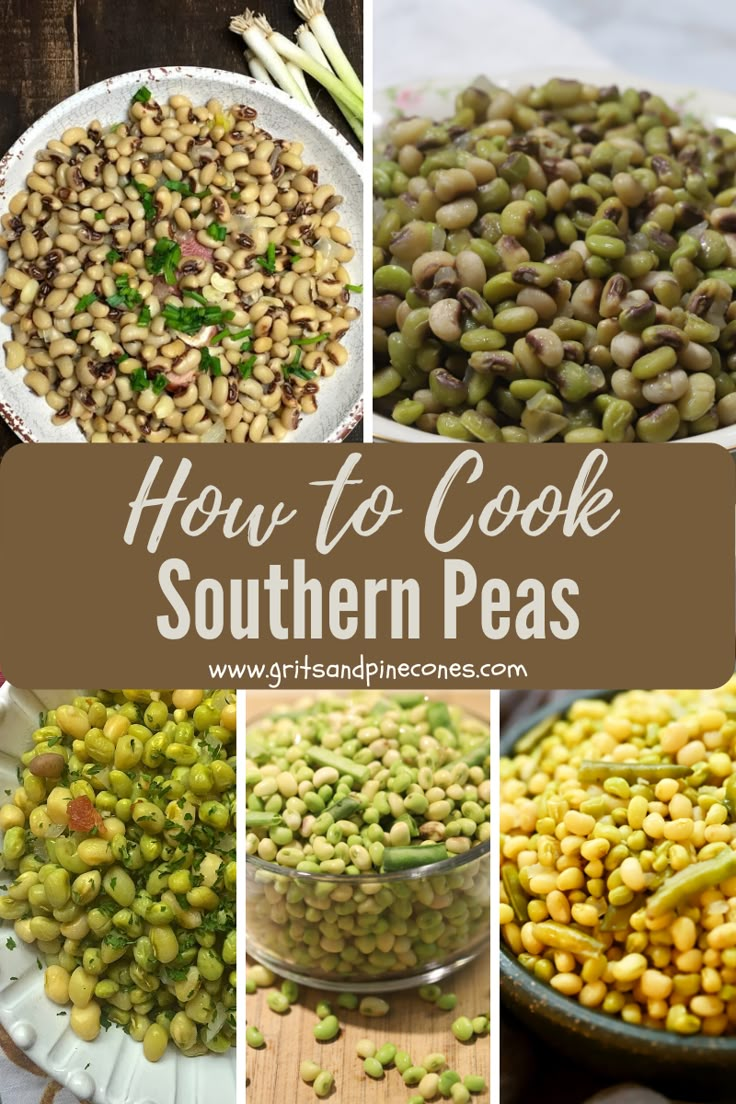
Before cooking, it's crucial to properly prepare your field peas. Begin by sorting through them to remove any shriveled or discolored peas. Rinse them under cold water to eliminate any dust or residue. For a tender, perfectly cooked dish, it's recommended to soak your peas overnight. This step not only reduces cooking time but also aids in digestion.
Soaking Field Peas
To soak field peas, place them in a large bowl and cover with plenty of cold water. Let them sit overnight, ensuring the water level remains above the peas. Drain and rinse before cooking.


If you're short on time, you can quick-soak peas by placing them in a pot, covering with water, bringing to a boil, then removing from heat, covering, and letting them sit for an hour before draining and rinsing.
Seasoning Field Peas
Seasoning is key to bringing out the best in field peas. Start with a base of onions, garlic, and peppers for a robust flavor. Adding smoked ham hocks or a smoked turkey wing can infuse a wonderful smoky depth. Other essential seasonings include salt, black pepper, thyme, and bay leaves.
Don't be afraid to get creative with your seasonings. Some people like to add a touch of sugar to balance the earthy flavors, while others incorporate tomatoes for a touch of acidity. Cajun spices or hot sauce can add a spicy kick, and herbs like oregano or rosemary can bring a unique twist.


Cooking Field Peas
The cooking process is where the magic happens. Traditional methods involve slow-cooking the peas on the stovetop or in the oven, but pressure cookers and instant pots can also speed up the process.
Regardless of the method, the essence remains the same: cook until the peas are tender, allowing the flavors to intermingle. If you're using a ham hock or smoked turkey, cook it with the peas until it's falling off the bone. You can then remove it, shred the meat, and add it back to the pot for a protein-packed dish.
Stovetop Method
In a large pot, combine your soaked peas, seasonings, and enough water to cover everything by about an inch. Bring to a boil, then reduce heat, cover, and let simmer for 45 minutes to an hour, or until peas are tender.


Stir occasionally and add more water if needed. Once done, you can either serve the peas as is or use a potato masher to lightly mash some of them for a thicker, creamier texture.
Instant Pot Method
Combine your soaked peas, seasonings, and 1.5 cups of water in your instant pot. Secure the lid and set on manual high pressure for 10 minutes. Allow pressure to release naturally for 10 minutes before quick-releasing any remaining pressure.
Stir and check the consistency of your peas. If they're not tender enough, you can do a quick pressure release, stir, and cook at high pressure for another 2-3 minutes. Adjust seasoning as needed.
Field peas are a versatile side dish that pairs well with a variety of main courses. Serve them with cornbread, fried chicken, or as part of a Southern-style spread. Whether you're cooking for a weeknight dinner or a special gathering, these seasoned field peas are guaranteed to delight.