Have you recently replaced your car's brakes and are now hearing a squeaking sound every time you press the pedal? You're not alone. This is a common issue that can be perplexing, as it seems counterintuitive that a new component would cause such a noise.
Brakes are one of the most critical safety features in your vehicle, and any unusual sound should always be taken seriously. In this article, we will delve into the reasons why your new brakes might be squeaking and provide practical solutions to quiet them down. Keep reading to learn more.
Understanding the Squeaking Sound
The squealing noise you're hearing could be due to a variety of reasons, but it typically indicates that there's something wrong with the brake system components. It's crucial to understand that this isn't just an inconvenience - it could be a sign of a more significant issue that could compromise your safety.


Squeaking can occur due to several reasons, ranging from mild to severe. It's essential to identify the cause and address it promptly to ensure your brakes function optimally and to prevent any potential damage to your vehicle.
Normal Break-In Period
After installing new brakes, it's not uncommon for them to squeak for the first few days to a week due to the break-in period. This is when the brake pads and rotors find their mating surface and create a consistent friction surface. If the squeaking persists beyond this period, it might be time to investigate further.


During this break-in period, it's normal for the squealing to be more frequent and louder when the brakes are applied gently. However, the noise should decrease and eventually disappear as the brakes 'bed-in'.
Consequences of Ignoring the Squeak
If the squeaking doesn't stop after the break-in period, it's essential to address it promptly. Ignoring the sound could lead to more severe issues, such as:
- Worn-out pads and rotors, which can lead to expensive repairs and safety risks.
- Decrease in braking performance, which could put you and your passengers at risk.
- Potential damage to other brake system components due to metal-on-metal contact.
Common Causes of Squeaking After Installing New Brakes
Now that you understand the basics of why your brakes might be squeaking let's dive into some common causes you might encounter:

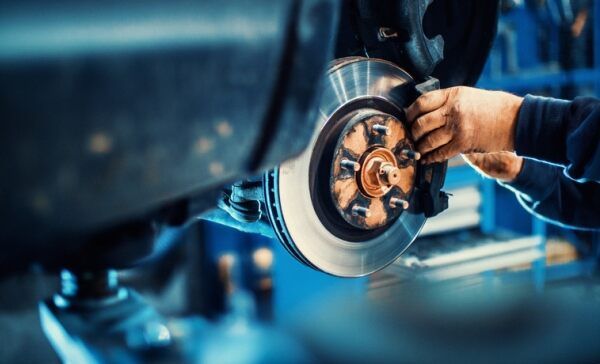


Remember, it's essential to consult your vehicle's repair manual or consult with a professional mechanic if you're unsure about diagnosing or fixing any of these issues.
Glazed Pads or Rotors
One of the primary reasons for brakes to squeak is glazing, which occurs when excess heat causes a hard, glass-like layer to form on the brake pad and rotor surfaces. This can happen due to Meineke's braking techniques, like 'riding' the brake pedal while driving downhill, or excessive speeds when you apply the brakes.
To fix glazing, you can choose to


- Machine the rotors to remove the glazed layer and restore a smoother surface.
- Adopt better braking habits to prevent glazing from happening again.
Warped Rotors
Warped rotors are another common cause of squeaky brakes. Rotors can warp due to excessive heat or improper installation during the brake job. Warped rotors create uneven contact with the brake pads, resulting in a squealing noise.
To fix warped rotors, you can either choose to:
- Replace them with new ones.
- Machine them to restore a smooth, even surface, if only slightly warped.
Loose or Contaminated Brake Components
Loose brake hardware, such as bolts and anti-rattle clips, can cause squeaking as they move around and vibrate against other components. Similarly, contamination on your brake pads, rotors, or other components can lead to squealing.
Regularly inspect your brake components for any signs of looseness or contamination. Tighten any loose hardware and clean any contaminated components to solve this issue.
Preventive Measures to Avoid Squeaky Brakes
Now that you're familiar with the possible causes and solutions for squeaky brakes let's look at some preventive measures to avoid this issue in the future:
While these tips can't guarantee squeak-free brakes, they can significantly reduce the likelihood of encountering this problem:
Regular Inspections
Regularly inspect your brakes to ensure everything is in working order. Check for any signs of wear, warping, or contamination. Address any issues promptly to prevent them from escalating.
Consider scheduling regular professional brake inspections to catch potential problems early, before they cause squeaking or more severe damage.
Adopt Good Driving Habits
Your driving habits can significantly impact the performance and longevity of your brakes. To avoid squeaking and other brake problems, remember to:
- Avoid excessive speeds when applying the brakes.
- Coast whenever possible to allow your brakes to cool down.
- Avoid 'riding' the brake pedal - pressing down lightly, then releasing.
By maintaining your brakes regularly and adopting good driving habits, you can minimize the chances of encountering squeaky brakes in the future.
Don't let a squeaky noise on your newly installed brakes dampen your enthusiasm for your vehicle. By understanding the causes and following the advice outlined in this article, you'll be well-equipped to address this common issue and ensure your brakes function smoothly and safely.