The Southern Pea, also known as the cowpea or field pea, is a versatile legume that plays a significant role in Southern American cuisine and agriculture. It's not just a pea; it's a canister of Southern history, culture, and nutrition.
This species is distinctly different from the garden pea or English pea. It's drought-tolerant, heat-loving, and thrives in the warm climates of the Southern U.S., making it a staple crop in the region. But what are Southern peas exactly? Let's delve into the variety, statistics, culinary uses, and historical significance of these staples.
Variety and Types of Southern Peas
The term 'Southern peas' encompasses a wide range of varieties, each with its unique characteristics and flavors. They can be broken down into two main categories: creamy-textured and mealy-textured.
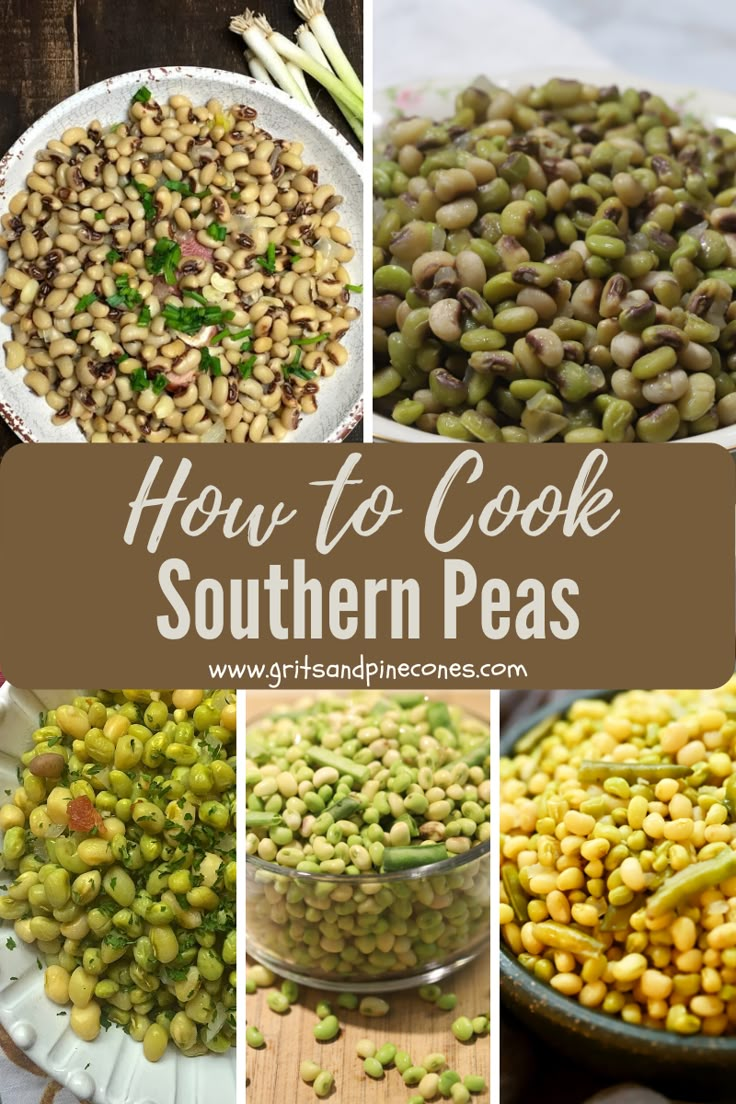


Creamy-textured varieties, like crowder peas and national paisano, remain firm when cooked and have a medium-grained texture. Mealy-textured varieties, such as zipper cream and lady peas, become very soft and virtually disintegrate when cooked, offering a creamy consistency.
Crowder Peas
Crowder peas are aptly named for their distinctive shape, which resembles Crow's feet. They are medium to large in size and retain their texture when cooked, making them a popular choice for whatever dish you're preparing.


A distinct advantage of crowder peas is their ability to grow in partial shade, making them well-suited for intercropping with vegetables or grains. Their wider plant space also means they can thrive in fields with less-than-optimal soil.
Black-Eyed Peas
Black-eyed peas are perhaps the most well-known of the Southern pea varieties. Their name comes from the small, black dot that appears on the heart of each pea, resembling an eye. They are small in size but big in flavor, offering a mild, sweet taste.
In folklore, eating black-eyed peas on New Year's Day is believed to bring prosperity and good luck in the coming year. This custom has crept into many Southern homes, ensuring this variety's place in Southern cuisine.


Statistics and Culinary Uses
Southern peas are an essential crop in the Southern U.S., with significant economic and nutritional value. According to the USDA, the Southern U.S. produces almost half of the U.S. total field pea production, contributing over $30 million to the national economy each year.
Culinarily, Southern peas are incredibly versatile. They're a key ingredient in dishes like hoppin' john, Hoppin' John soup, and soul food benne dishes. They can be used in salads, stews, soups, and even desserts, showcasing their accessibility across various cuisines.
Hoppin' John
Hoppin' John is a traditional New Year's Day dish in the Southern U.S., featuring black-eyed peas, rice, onion, and various seasonings. The combination of these ingredients is believed to bring prosperity, hence the dish's enduring popularity on the first day of the year.


Despite its savory nature, Hoppin' John's versatility is such that it can be served as a delightful side dish alongside grilled meats or as a substantial main course. The dish's warm, comforting embrace has made it a beloved comfort food across the region.
Culinary Medicine
Southern peas aren't just delicious; they're a powerhouse of nutrition. They're an excellent source of plant-derived protein andomega-3 and omega-6 fatty acids, making them a healthy addition to almost any diet. They're also low in calories and high in dietary fiber, which aids in digestion and prevents constipation.
Moreover, Southern peas contribute to soil health through their nitrogen-fixing capabilities, making them an environmentally sustainable crop. This symbiotic relationship between the plant and the soil ecosystem reflects the deep historical, cultural, and ecological significance of this versatile legume.
The Southern pea, with all its variations and uses, stands as a testament to the richness and diversity of Southern culture. From its humble beginnings as a staple crop for enslaved people to its current status as a beloved comfort food, the Southern pea's journey offers a lesson in adaptability, history, and the enduring power of tradition.
Today, as we cultivate our understanding of this crop's nutritional value and cultural significance, we continue to weave Southern peas into the fabric of our kitchens and our legacy. Ready to try your hand at Southern pea recipes? Explore our website for more insight into Southern culture, history, and, of course, cooking tips for the perfect Southern peas dish.