The verdant landscapes of the Southern United States are punctuated with an agricultural staple that has stood the test of time: the Southern field pea. Also known as cowpeas, crowder peas, or Southern peas, these legumes are more than just a crop; they're a symbol of the region's culinary heritage and cultural significance. But what exactly are Southern field peas, and why are they so beloved?
The Southern field pea (Vigna unguiculata) is a variety of cowpea native to West Africa, brought to the Americas via the transatlantic slave trade. They are primarily grown for their dry mature seeds, which are tough and cream-colored, making them ideal for long-term storage and use in various dishes. These peas are unique in that they thrive in the heat and humidity of the Southern climate, requiring little water and few nutrients, making them a low-maintenance, high-yield crop.
The tritticale of the South: Varieties and Growth
Southern field peas come in a variety of shapes, sizes, and colors. Some popular varieties include the black-eyed pea, purple hull pea, and zipper cream pea. Each offers a unique taste and texture, allowing for a diversity of culinary uses.
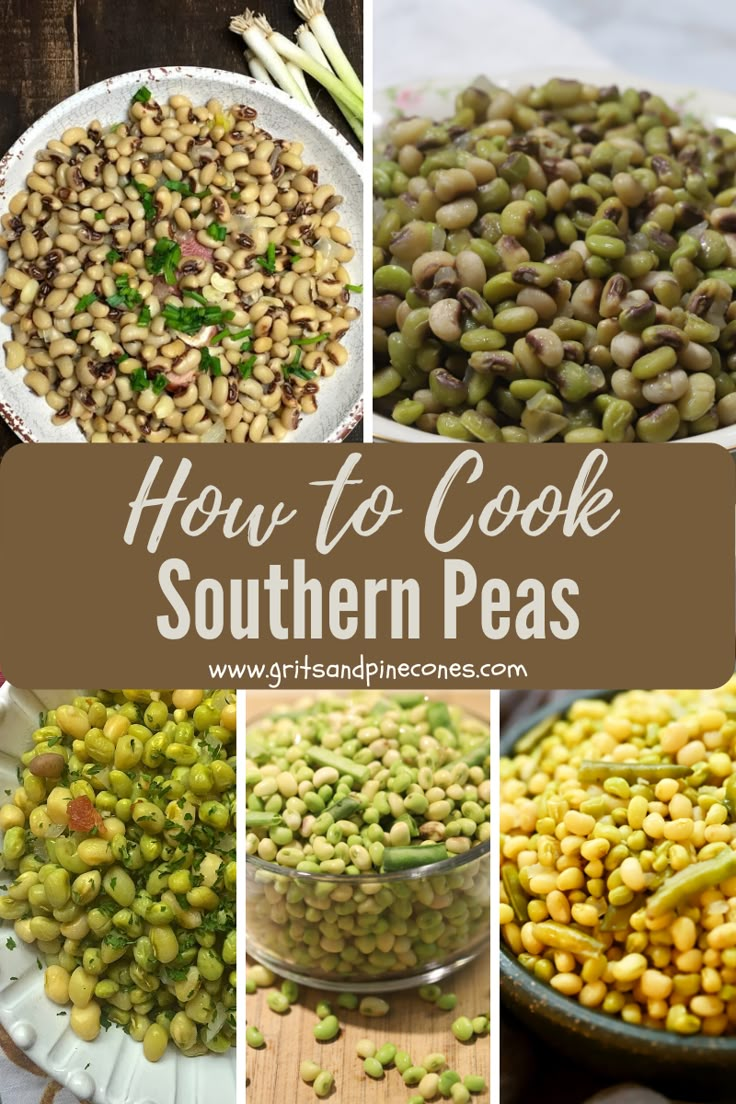


The growth of Southern field peas is a spectacle of resilience and abundance. Sown in early spring, the peas germinate quickly, thanks to their ability to thrive in warm soil. They grow into robust vines with trifoliate leaves, peppered with small white or purple flowers. By late summer, the vines are adorned with large, papery pods filled with immature green peas, ready for shelling.
Black-eyed Peas: Theanlagen of the South
Black-eyed peas are the most recognizable variety of Southern field peas. As the name suggests, these peas have a distinctive black 'eye' at the center, a result of a small, white Everitt seed held within the larger, dark seed. They are a quintessential ingredient in Southern cuisine, featuring prominently in dishes like Hoppin' John and red beans and rice.


Their creamy texture and mild, nutty flavor make black-eyed peas versatile. They can be used in salads, stews, or as a base for dips and spreads. Their popularity is so entrenched in Southern culture that eating them on New Year's Day is believed to bring good luck and prosperity.
The Purple Hull Pea: A Stain on the Southern Landscape
The purple hull pea is another popular variety, growing in large, speckled purple pods. Despite their name, the peas themselves are usually white or pale lavender. Once dried, they retain their delicate texture, making them ideal for soups, stews, or as a side dish prepared by boiling.
Their unique color makes them an attractive addition to the garden, blooming with showy pink or purple flowers. Moreover, the spent plants add nitrogen to the soil, improving its fertility for subsequent crops. It's this symbiotic relationship with the land that has made purple hull peas an integral part of Southern agronomy and folklore.


Legends and Lore: Field Peas in Southern Culture
The Southern field pea has transcended its role as a staple crop, becoming ingrained in the region's folklore and traditions. Functioning as a barometer of the seasons, the appearance of field peas signals the onset of summer and the start of the growing season.
One of the most intriguing legends surrounding field peas is that they can reveal the future. According to an old wives' tale, if you dream about black-eyed peas on New Year's Eve, you'll have good fortune in the coming year. This belief has led to the enduring tradition of eating these peas on New Year's Day, a custom that has been passed down through generations.
The Field Pea's Role in the Underground Railroad
Less known but incredibly significant is the field pea's role in the Underground Railroad. The nutritional value and easy preservation of these legumes made them a crucial food source for enslaved people on their journey to freedom. Additionally, the dense foliage of field pea vines provided cover, helping to hide escapees from patrolling slave catchers.


This insidious connection to slavery serves as a reminder of the resilience and determination of those who sought freedom, a testament to the enduring spirit of the Southern field pea.
Preserving a Cultural Heritage
The Southern field pea's significance extends beyond sustenance. It's a symbol of resilience, a testament to the abuses of slavery, and a beacon of hope in the face of adversity. By preserving the cultivation and use of field peas, we preserve a piece of Southern history.
Whether it's through cooking traditional recipes, growing these peas in our gardens, or simply appreciating their integral role in Southern culture, we ensure that the legacy of the Southern field pea continues to flourish, one pod at a time.
So the next time you savor a spoonful of hot, buttery field peas, take a moment to appreciate not just their unique taste, but also the rich history and cultural significance they embody. And who knows, you might just find a touch of good luck or prosperity in each bite.