Ever wondered about the peculiar shape of your toilet's drainpipe trap? You're not alone. That 'P' shaped bend in the pipe is no ordinary design choice; it's a 'P trap', a crucial component in plumbing systems worldwide. But what does 'P trap' mean, and why is it so important?
The term 'P trap' is derived from its distinctive shape, which resembles the letter 'P'. This plumbing fixture is designed to hold water, creating a natural barrier that prevents sewer gases from entering your living space. It's an essential part of keeping your home safe, clean, and odor-free.
Understanding the P Trap's Role
A P trap performs two critical functions: preventing sewer gases from backflowing into your home and stopping vermin from entering your plumbing system.


Sewer gases can be harmful and unpleasant. They can cause nausea, headaches, and respiratory issues.Moreover, they can corrode pipes and damage your home's foundation. With a P trap, these gases stay where they belong - below the 'P'.
How It Works: The Water Barrier
The P trap works through the principle of hydrostatic pressure. Water held in the trap's curved bottom creates a seal that blocks sewer gases from rising.


Whenever water flows through the trap, it replenishes this seal, ensuring a consistent barrier. Even when the trap is dry, the water bought during flushing creates a temporary seal until the system is used again.
Preventing Vermin Intrusion
Rats, cockroaches, and other pests are notorious for entering homes through plumbing systems. The P trap provides a physical barrier that prevents these creatures from entering your home or even your plumbing system.
The trap's design ensures that water covers the opening, making it difficult for critters to crawl through. This not only keeps your home clean but also protects your health and property from pest-related issues.


Common P Trap Issues
While P traps are durable, they can develop issues over time.
The most common problem is a slow drain or a completely clogged trap, often caused by a buildup of grease, hair, and other debris. This can happen due to improper use of the toilet, flushing non-biodegradable items, or disposing of large amounts of grease down the drain.
Identifying a Clogged P Trap
If water is draining slowly from your toilet, or if it's not draining at all, your P trap might be clogged. You might also notice gurgling sounds coming from your pipes, or a foul odor emanating from your toilet.


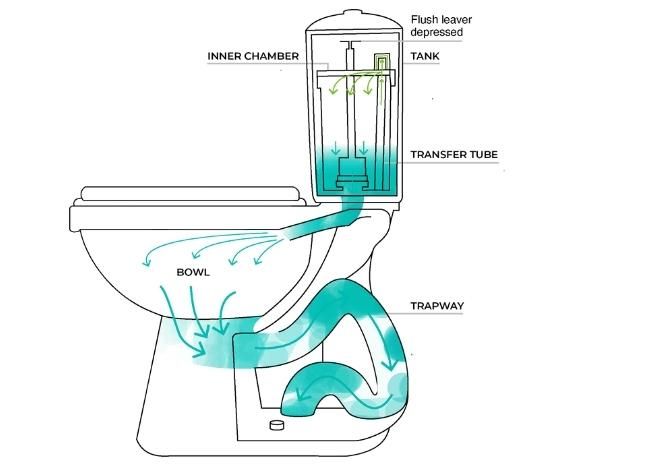
In some cases, you might notice water backing up in nearby drains when you flush. These are clear indications that your P trap needs cleaning or maintenance.
Cleaning and Maintaining Your P Trap
Regular cleaning and maintenance can prevent clogs and keep your P trap working efficiently. The process involves removing the trap, clearing the clog, and repositioning it.
Alternatively, you can pour hot water, vinegar, or a drain cleaner down the drain to dissolve buildup. However, remember that harsh chemicals can damage pipes, so they should be used sparingly.
Regularly inspecting your P trap for cracks, leaks, or other damage is also crucial. If you notice any issues, prompt repairs can prevent them from escalating into expensive problems.
When to Call a Professional
While minor clogs can often be cleared using DIY methods, more complex issues require professional intervention.
If you're experiencing recurrent clogs, foul odors, or water damage, it's time to call a professional plumber. They have the expertise and tools to diagnose and fix issues with your P trap or any other part of your plumbing system.
In the world of plumbing, the humble P trap might seem like a small, almost insignificant feature. Yet, its role in maintaining a safe, healthy, and comfortable living environment cannot be overstated. So, the next time you flush your toilet, take a moment to appreciate the silent hero - the P trap.