Tires come in a multitude of sizes, and understanding these sizes is crucial for making informed decisions when purchasing replacements. One common tire size you might see is "285/70R18". This might raise an eyebrow, especially if you're uncertain about what these numbers and letters mean. Let's explore this format together, and we'll convert it into inches to make it easier to visualize.
Tire size is denoted by a series of numbers and letters, known as tire size codes. These codes signify the tire's width, aspect ratio, and rim diameter. Let's break down the code "285/70R18" to understand it better.
The Anatomy of the Tire Size Code
Tires are measured in millimeters, so it's no surprise that this size is not expressed in inches. However, converting it to inches will provide a better understanding of its dimensions. Let's first break down this code.


The first number, "285", denotes the tire's width in millimeters. The width is the distance from one shoulder of the tire to the other. In this case, 285 mm is the width of our tire.
Aspect Ratio and Rim Diameter
The aspect ratio, a two-digit number after the slash ("70" in this case), represents the height of the tire's cross-section as a percentage of its width. This means that our tire has an aspect ratio of 70%. So, the height of the tire's cross-section is 70% of 285 mm, which equals 199.5 mm.


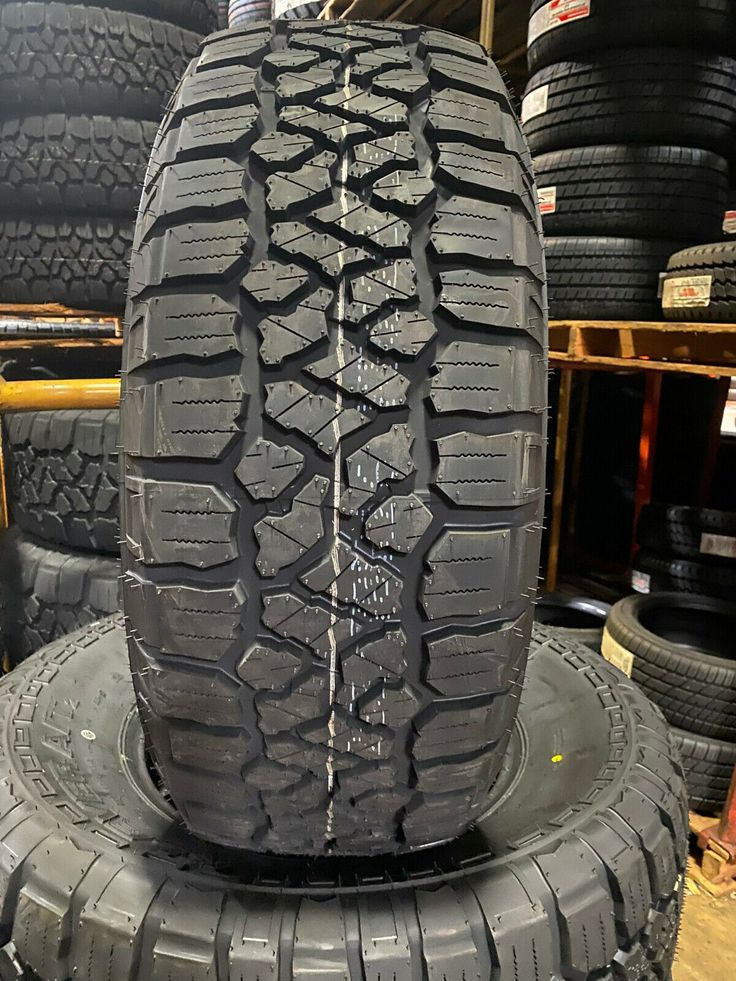
The letter "R" denotes that the tire has a radial construction, which is the most common and recommended type of tire construction.
Rim Diameter
The last number ("18" in this case) indicates the diameter of the wheel rim in inches. This means our tire is designed to fit on a rim with a diameter of 18 inches.
Now that we have the individual dimensions, we can visualize the tire's size better.


Converting to Inches
We've established the tire's width is 285 mm (which is 11.2205 inches), and the rim diameter is 18 inches. To find the tire's overall diameter including the sidewalls, we need to use the aspect ratio.
The height of the tire's cross-section is 199.5 mm (which is 7.8543 inches). Since the tire's profile is not perfectly square, the total diameter is a little less than double the tire's width plus the total height. In this case, it's approximately 27.6 inches.
Understanding your tire's size can help you make informed decisions when you need replacements. By knowing the tire's dimensions in inches, you can compare different tire sizes and understand their relative sizes.


