Railroad switches, also known as railway switches or track switches, are integral components of rail infrastructure that enable trains to change tracks. They are essentially moveable junctions that allow railway vehicles to be directed from one track to another, crucial for efficient and safe train movement. Let's delve into the intricacies of these indispensable pieces of rail equipment.
To comprehend the essence of railroad switches, let's first understand their fundamental purpose: facilitating safe and smooth train movement between different tracks. They are installed at points in the rail network where trains are required to switch tracks, often leading to different destinations or platforms.
Mechanism and Components
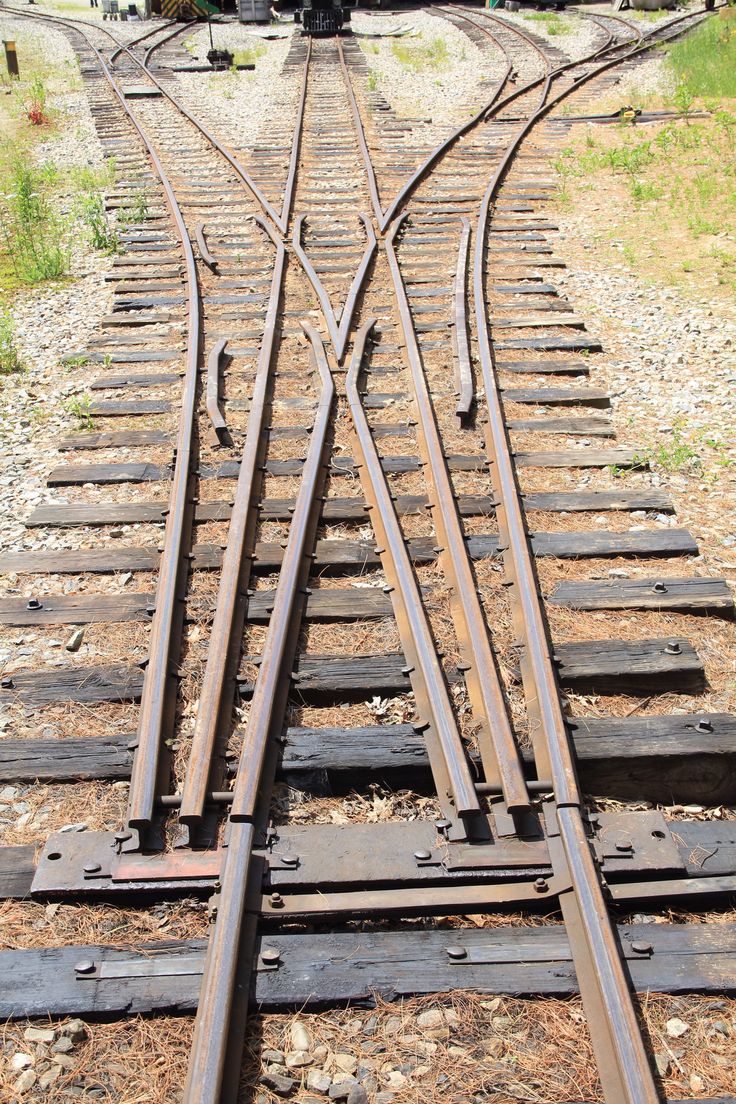
Railroad switches consist of various components that work together to achieve their functionality. The primary parts include the switch stand, switch blades, stock rails, point rails, and frogs.


The switch stand is the operator's control mechanism that manages the opening and closing of the switch. It's connected to the switch blades, which are the moveable rail sections that guide the train from its current path to the desired track. The stock rails and point rails form the two tracks, leading into and out of the frog, which is a specialized section designed to accommodate the change in track alignment.
Manual and Power-Driven Switches
Railroad switches can be manual or power-driven. Manual switches are operated via a crank or a lever, with the operator physically adjusting the switch to direct the train. On the other hand, power-driven or electric switches use motors and remote control systems for operation, increasing efficiency and reducing human intervention.


Power-driven switches offer several advantages over manual ones, including improved safety, reduced operator fatigue, and increased reliability. They are increasingly being adopted in modern rail systems worldwide.
Inspecting and Maintaining Switches
Maintaining railroad switches is critical to ensure the safety and efficiency of train operations. Regular inspections and maintenance help identify and rectify issues before they lead to failures. Key aspects include checking for misaligned parts, worn-out components, and ensuring proper lubrication to minimize friction and wear.
Routine maintenance helps extend the lifespan of railroad switches and reduces the risk of derailments or other catastrophic accidents. Moreover, modern technology like predictive maintenance algorithms further optimize switch maintenance, reducing costs and enhancing rail network reliability.




Types of Railroad Switches
Railroad switches come in various types, each designed to serve different track gauges, speeds, and loads. The primary types include single frogs, double frogs, swing nose switches, and turnouts./p>
Single frogs are simple and cost-effective, used in low-speed and light-duty applications. Double frogs provide better alignment and stability for faster and heavier trains, while swing nose switches are suitable for tight curves. Turnouts, or crossovers, allow trains to switch between three or more tracks.
Standardizing Switch Design
The design and dimensions of railroad switches are typically standardized to ensure interoperability and safety across different rail networks. Standardization enables the use of common components, simplifies maintenance, and enhances rail safety and efficiency. It also facilitates the exchange of technical information and best practices among railways worldwide.


Organizations like the Association of American Railroads (AAR) and the International Union of Railways (UIC) play vital roles in developing and maintaining these standards for railroad switches and other rail infrastructure components.
Railroad switches are as fundamental to railways as wheels are to automobiles. Their design, operation, and maintenance are complex yet critical aspects of the global rail industry. As railways continue to expand and evolve, so too will the technology and design of these indispensable railroad switches.