Ever wondered about those Italy-inspired dishes you see on menus, like pizza "al forno"? You're not alone. The term "al forno" is widely used in Italian cuisine, but what does it actually mean? Let's dive into the world of Italian culinary terms and unravel the mystery behind "al forno".
"Al forno" is an Italian phrase that directly translates to "to the oven", or more literally, "at the oven". It's a cooking method that has been an integral part of Italian cooking for centuries. But how does this simple phrase make such a significant impact on a dish?
"Al Forno": Beyond the Oven
At its core, "al forno" cooking involves preparing food in an oven. However, it's more than just a cooking method; it's a cultural tradition that has shaped the taste and presentation of Italian dishes. Let's explore the intricacies of this culinary technique.


Firstly, "al forno" isn't just about baking; it also encompasses roasting and grilling in the oven. It's a versatile cooking method that can be applied to a wide range of ingredients, from bread and pizza to meats and vegetables.
Pizze Al Forno
"Al forno" is perhaps most famously associated with pizza. Pizze al forno are typified by their crispy, smoky crust and melted cheese, often with a slight charring, creating a unique flavor and texture.


A key aspect of pizze al forno is the high heat of the oven, typically exceeding 450°C (840°F). This intense heat helps create a distinct charring effect on the dough and imparts a smoky flavor. The result is a pizza that's not just delicious, but also visually appealing, showcasing the cooking process.
Other Dishes Cooked Al Forno
Besides pizza, many other Italian dishes are cooked al forno. Pollo al forno, or chicken cooked in the oven, is a simple yet flavorful dish that benefits from the dry heat of the oven, resulting in tender, juicy meat.
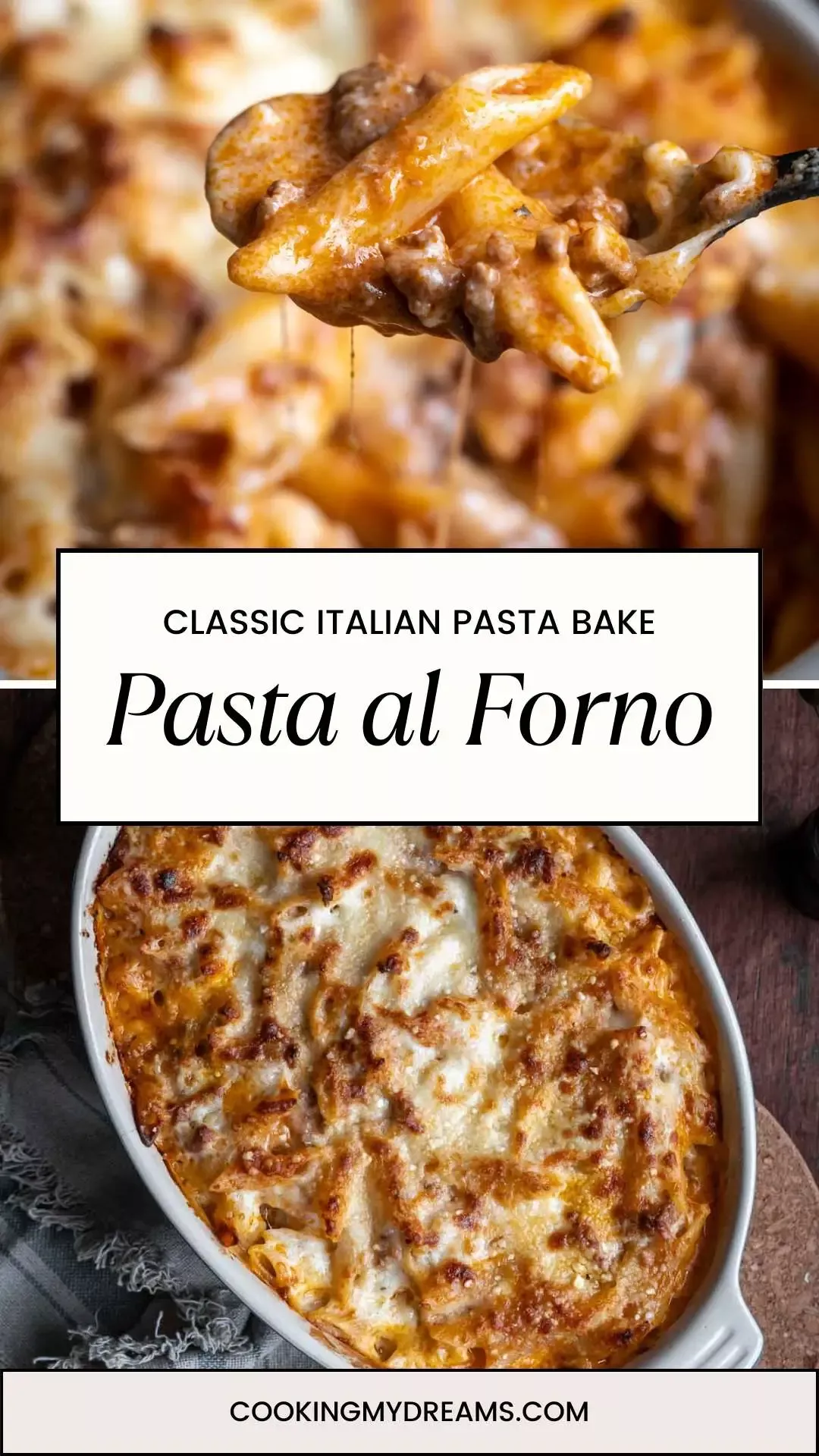
Vegetables like eggplant and zucchini are frequently roasted al forno, caramelizing their natural sugars and intensifying their flavor. Moreover, "al forno" is also used in the preparation of baked pastas, like lasagna or manicotti, where the oven plays a crucial role in combining and melding the ingredients.


The Impact of "Al Forno" on Italian Cuisine
The prevalence of "al forno" cooking in Italian cuisine has had a profound impact, shaping not just the taste of dishes, but also their presentation and cultural significance.
Many Italian bakeries and pizzerias use wood-fired ovens, which not only cook the food but also leave a distinctive smoky aroma and flavor. This intertwining of taste and environment adds a rustic, authentic touch to the dining experience.
Regional Variations
Despite its broad usage, "al forno" is interpreted differently across Italy. In northern regions, pizzas are often cooked in gas or electric ovens, while in the south, wood-fired ovens reign supreme. The type of dough, cheese, and toppings also vary by region, resulting in a wide range of pizzas al forno.


Similarly, in dishes like bread and pastries, regional variations in ingredients, techniques, and oven types lead to diverse outcomes. For instance, Focaccia from Liguria is a flatbread typically cooked in a wood-fired oven, while Ciabatta from Veneto is a crusty loaf baked in a deck oven.
The Art of Italian Oven Cooking
Forno, or oven, is a integral part of Italian culinary tradition, bringing together people, food, and culture. From small town bakeries to bustling city pizzerias, the oven is a symbol of community, neighborliness, and shared passion for food.
Even today, many Italians prefer to cook at home, often utilizing traditional wood-fired or gas-fired ovens. This continuation of old practices keeps alive the centuries-old culinary heritage and ensures the authenticity of Italian dishes enjoyed worldwide.
So, the next time you tuck into a hot, bubbling slice of pizza al forno, remember you're indulging in a culinary tradition that's as old as the hills of Italy. It's more than just a meal; it's a journey through time and taste, one smoky, charred bite at a time. Buon appetito!