Ever wondered about the versatile, finely-ground ingredients that transform your drinks, baked goods, and desserts? Welcome to the world of mix powders, a staple in kitchens worldwide. But what exactly are they?
A mix powder, also known as dry mix or pre-measured mix, is a pre-packaged blend of various dry ingredients, designed to simplify cooking and baking by combining most, if not all, of the required ingredients for a specific recipe. Typically sealed in pouches or cans, these powders ensure consistent results and minimize waste.
Understanding Mix Powders
Mix powders come in a variety of types, catering to different culinary needs and preferences. They are formulated to maintain a long shelf-life and retain their nutritional value, often containing preservatives, stabilizers, and emulsifiers to enhance texture and taste.


Some popular examples include cake mix, pancake mix, brownie mix, and cookie mix, which combine flours, sugars, leavening agents, and sometimes dairy and egg products. Other types serve specific dietary needs, such as gluten-free, plant-based, or keto mixes, providing convenient, user-friendly solutions for conscious consumers.
Advantages of Mix Powders
Convenience is their primary appeal. With just a few additional ingredients like eggs, oil, and water, you can whip up a batch of muffins, cookies, or a loaf of bread in a fraction of the time it would take to measure out each ingredient separately.


Mix powders also promote consistency and accuracy in baking. The pre-measured ingredients help ensure your muffins rise evenly and your cakes bake at the same tenderness, reducing the margin for error in home baking.
Disadvantages of Mix Powders
While undeniably convenient, mix powders have their drawbacks. Nutritional value may not be up to scratch as they often contain invert sugars, unhealthy fats, and excessive sodium for preservation.
Additionally, the cost can add up over time as they are more expensive than buying individual ingredients. The environmental impact should also be considered, as packaging contributes to waste and carrying high sugar and fat content contributes to greenhouse gas emissions.


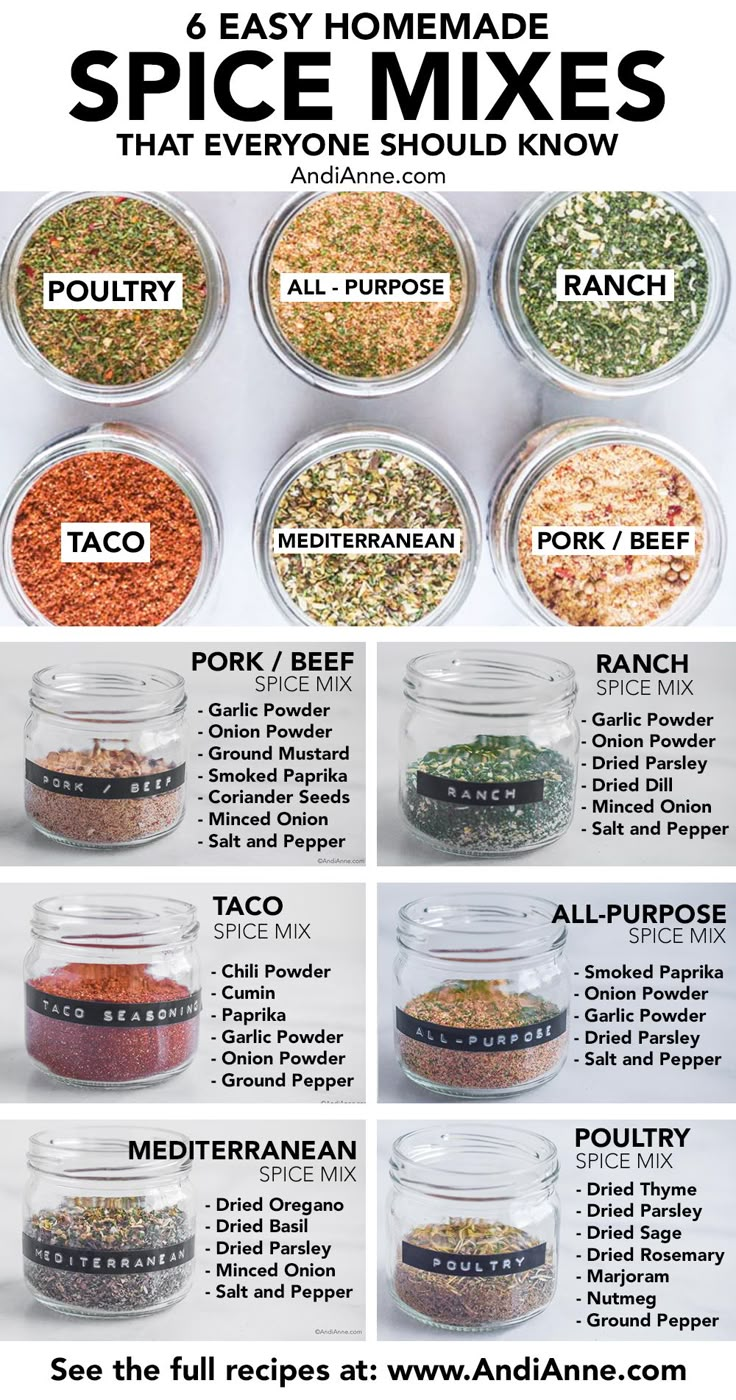


Creating Your Own Mix Powders
For those looking to minimize packaging waste and control the quality and nutritional value of their ingredients, making your own mix powders at home is an excellent alternative.
Standard recipes typically call for combining the dry ingredients (flours, leavening agents, sugars) separately from the wet ingredients (oils, eggs, liquids), which can then be mixed together for immediate use or portioned out into individual servings for later use. By omitting the perishable wet ingredients, you can create a custom, preservative-free mix powder with a reasonably long shelf-life.
Tips for Homemade Mix Powders
Store your homemade mix powders in an airtight container to preserve freshness and prevent contamination. Label your containers clearly, noting the expiration date and the additional ingredients needed to complete the recipe.


Avoid mixing wet and dry components at home to extend the shelf-life of your mix powders. The only exception is dry ingredients that will break down if exposed to air over time, like baking powder and baking soda, which should be added to the mix just before use.
From instant cake and cookie mixes to custom, nutritious blends, mix powders offer a range of benefits and drawbacks. Whether you opt for store-bought convenience or DIY control, incorporating mix powders into your cooking routine can save time, reduce waste, and inspire culinary creativity. So, go ahead, clip that recipe, and dust off that mixing bowl - your next baking adventure awaits!