The advent of paper straws, while seeming like a recent eco-conscious effort, actually has a much longer history than one might expect. However, the widespread use we see today, particularly in response to the 'anti-plastic' movement, has its roots in more recent times.
To understand when paper straws came into significance, we must first look back at the era when plastic straws gained popularity. Plastic straws, due to their durability and low cost, became the norm in the mid-20th century. But concerns about environmental impact began to rise in the late 20th century, setting the stage for alternatives like paper straws.
The Rise of Paper Straws as an Alternative
In the early 2000s, as awareness about plastic pollution grew, businesses started looking for eco-friendly alternatives. Paper straws, already in existence but not widely used due to their short lifespan, were re-introduced as a sustainable option.


The turning point for paper straws came around 2007. This is when the Marine Pollution Act was passed in California, banning single-use plastic bags. Around the same time, the movie 'Plastic Planet' was released, drawing significant attention to the environmental impact of plastics. These events helped spark an interest in paper straws as a practical and visible alternative.
Early Adoption by Cafes and Bars
Before the 2000s, paper straws were mainly used in bakeries and ice cream shops. Post-2007, cafes, bars, and international food chains started adopting paper straws. Starbucks, for instance, announced its shift to 100% recyclable and compostable cups and lids, including paper straws, in 2018. Similarly, McDonald's committed to phasing out plastic straws by 2020.


These commitments by large corporations weren't just about environmental responsibility; they were also about catering to consumer demand. A 2018 study by the Natural Marketing Institute found that 58% of consumers surveyed associated eco-friendly packaging with better product quality. This consumer preference is a significant factor in paper straws' increasing popularity.
The Impact of Legislation
Many cities and countries have introduced regulations against single-use plastics, giving a further boost to paper straws' usage. Seattle, Miami Beach, and many other cities have banned plastic straws, making paper straws the norm. The European Union's directive to reduce single-use plastics by 2021 has also accelerated their adoption across the continent.
Even before these bans, paper straws were gaining traction due to their convenience and availability. Now, they're a common sight in restaurants, bars, and even at home. Paper straws have proven their value, not just as an eco-friendly alternative, but also as a viable, functional product.


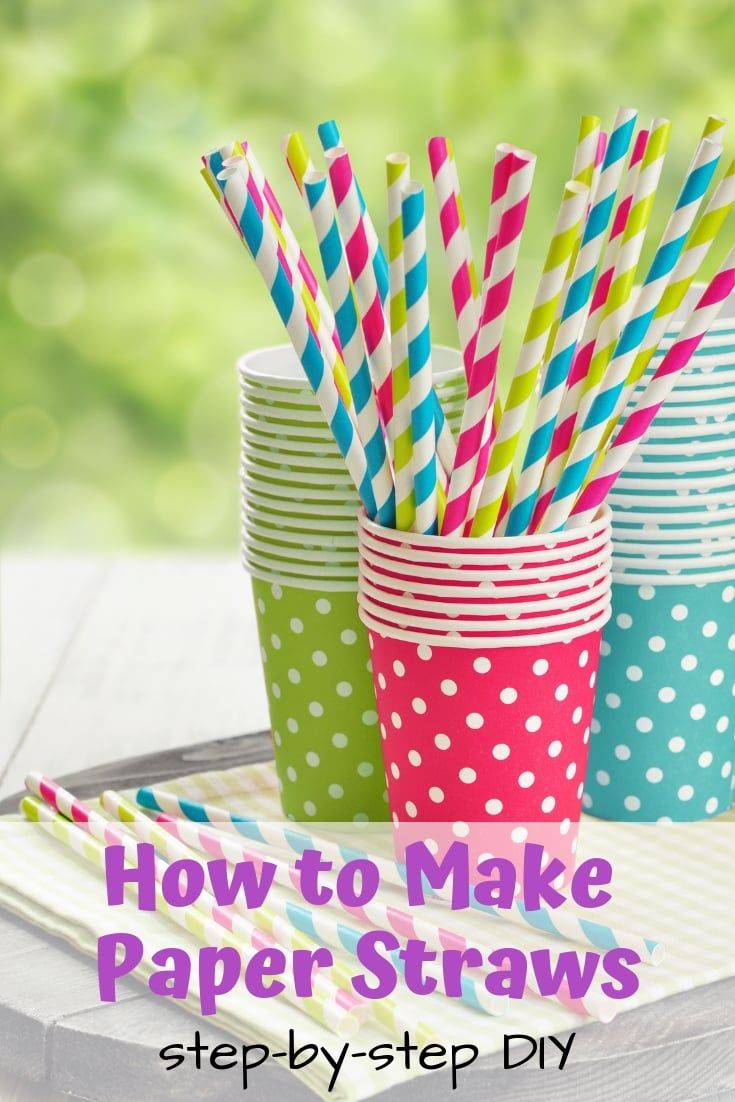


The Future of Paper Straws
The future looks promising for paper straws. They've gone from being a niche product to a household name. As environmental concerns continue to grow, more businesses are likely to adopt them. Improvements in paper straw technology - increased lifespan, reduced sogginess - are also on the horizon.
Innovations in Paper Straw Technology
Researchers and manufacturers are constantly working to improve paper straws. Current innovations include double-layer paper for increased durability and even biodegradable PLA (Polygonlycolic Acid) coatings to reduce sogginess. In time, these advancements will make paper straws more affordable and practical.
Moreover, as consumer awareness about sustainability grows, the demand for paper straws is unlikely to decrease. They're not just a trend; they're a response to a global need for more eco-friendly products. From the humble beginnings of the late 2000s to the international phenomenon they are today, paper straws have come a long way.


In many ways, the paper straw's story is just beginning. With each regulation, each innovation, and each conscious choice, paper straws continue to make their mark as the ultimate symbol of our changing relationship with the environment.