If you're a cyclist or a motorcycle enthusiast, you might have wondered why fenders, seemingly simple accessories, command such a high price. The expense of high-quality fenders may initially seem disproportionate, but several factors contribute to their cost.
The first thing to consider is the material used in manufacturing fenders. High-end fenders are typically made of premium materials like carbon fiber, aluminum, or stainless steel. These materials are not only lightweight but also durable, corrosion-resistant, and capable of withstanding the rigors of frequent use and harsh weather conditions.
Premium Materials and Construction
Carbon fiber, for instance, is incredibly lightweight and strong, making it an ideal choice for high-performance bikes. However, the manufacturing process of carbon fiber components is complex and time-consuming, which significantly drives up the cost.


Stainless steel and aluminum are also expensive due to their specialized treatment processes. Fenders made from these materials often undergo anodizing or powder coating to enhance their resistance to corrosion and increase their longevity.
Carbon Fiber Fenders
Carbon fiber fenders are particularly pricey due to the intricate layering and curing process required to create the material. Additionally, carbon fiber fabrication requires specialized skills and equipment, which contributes to their high cost.

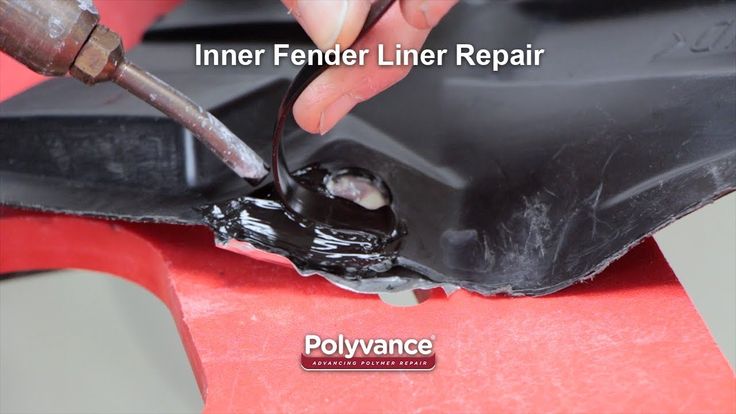

Moreover, carbon fiber fenders are typically handlaid and crafted by experienced technicians, further increasing their cost due to the labor-intensive process.
Aluminum and Stainless Steel Fenders
Aluminum and stainless steel fenders are cheaper than their carbon fiber counterparts but are still expensive due to their specialized construction processes. These materials require precise cutting, shaping, and welding or forming, which demands advanced machinery and skilled labor.
Furthermore, these materials often come with additional treatments, such as vibration dampening or&Mdash;in the case of aluminum &Mdm;a lightweight anodized finish, which adds to their overall cost.


Design and Aesthetics
The design and aesthetics of fenders also play a significant role in their price. High-end fenders often sport sleek, aerodynamic profiles that reduce drag and improve performance. These designs require state-of-the-art engineering and computational fluid dynamics software to develop and perfect.
Additionally, many high-end fenders are designed to match the aesthetics of high-performance bikes, featuring clean lines, subtle branding, and minimalist designs. These design elements can further increase their cost due to the investment in research and development.
Precision Engineering
The development of high-performance fender designs demands precise engineering. This process involves complex calculations, simulations, and prototyping to ensure optimal performance and aesthetics. The investment in research and development is reflected in the final price of the fenders.


Furthermore, high-end fenders are often customized to fit specific bike models or brands, requiring additional engineering and production processes that can increase their cost.
Brand Reputation and Market Demand
Established brands with a strong reputation for quality and performance tend to command higher prices for their products. When it comes to fenders, these brands invest heavily in research and development, use high-quality materials, and adhere to stringent quality control measures. Their reputation for excellence is reflected in the price tag of their products.
Moreover, the demand for high-end fenders from discerning cyclists and motorcycle enthusiasts willing to pay a premium for quality further drives up their cost.
In the world of cycling and motorcycling, fenders may seem like simple accessories. However, the high cost of premium fenders is a testament to the advanced materials, engineering, and craftsmanship that go into their production. By investing in high-quality fenders, enthusiasts not only improve their vehicle's performance and appearance but also ensure durable protection against the elements.