Is your female cat refusing to use her litter box or not peeing at all? You're not alone in wondering, "Why isn't my female cat peeing?" This common concern can stem from various reasons, ranging from health issues to environmental factors. Let's delve into some of the most common causes and learn how to address them.
Before we dive in, remember that any changes in your cat's bathroom habits can signal an underlying problem. If your cat is not peeing or showing signs of discomfort, consult a veterinarian immediately. This article provides a general overview, but it's no substitute for professional medical advice.
Medical Reasons Behind Your Cat's Peeing Issues
Many health issues can cause your female cat to stop peeing or change her litter box habits. Understanding these conditions can help you act promptly and ensure your cat receives the care she needs.


Before we explore specific health issues, it's essential to recognize that cats can be quite secretive about their discomfort. They often hide their pain and distress, making it crucial for you to be vigilant about any changes in her behavior or habits.
Urinary Tract Infections (UTIs)
A UTI can cause your cat discomfort or prevent her from peeing entirely. You might notice blood in her urine, difficulty or crying during urination, increased frequency, or frequent licking of the genital area. If you suspect a UTI, consult your vet immediately, as untreated UTIs can lead to more severe conditions like a urinary blockage.


Antibiotics are the primary treatment for UTIs in cats. However, recurrent UTIs may indicate an underlying problem, such as a anatomical abnormality or a medical condition like diabetes or kidney disease. Proper diagnosis and management of these underlying conditions are crucial to prevent future UTIs.
Urinary Tract Diseases (UTD)
UTDs, formerly known as feline lower urinary tract disease, encompasses a range of conditions that affect the bladder and urethra. Common UTDs include urinary crystals, bladder stones, and, in more severe cases, urinary obstructions. Male cats are more prone to urinary obstructions, but females are still at risk.
Symptoms of UTD in cats include increased frequency of urination, difficulty or crying during urination, bloody urine, and excessive licking of the genital area. Some cats with UTD may also stop peeing altogether. Treatment varies depending on the underlying cause but may include surgery, medication, diet changes, or a combination of these.


Environmental and Behavioral Factors
While medical issues are the most common cause of problems with your cat's litter box, environmental and behavioral factors can also play a role. Understanding and addressing these factors can help resolve your cat's peeing issues.
Always remember that cats are incredibly clean creatures. A dirty litter box, inadequate litter, or even subtle changes in your cat's environment can cause her to stop using her litter box.
Litter Box Issues
An unclean litter box can deter your cat from using it. Cats are notorious for their fastidiousness about their litter, and even the slightest change or smell can make them refuse to use their box. Maintain a clean litter box by scooping waste daily and washing the box weekly with mild soap and water.
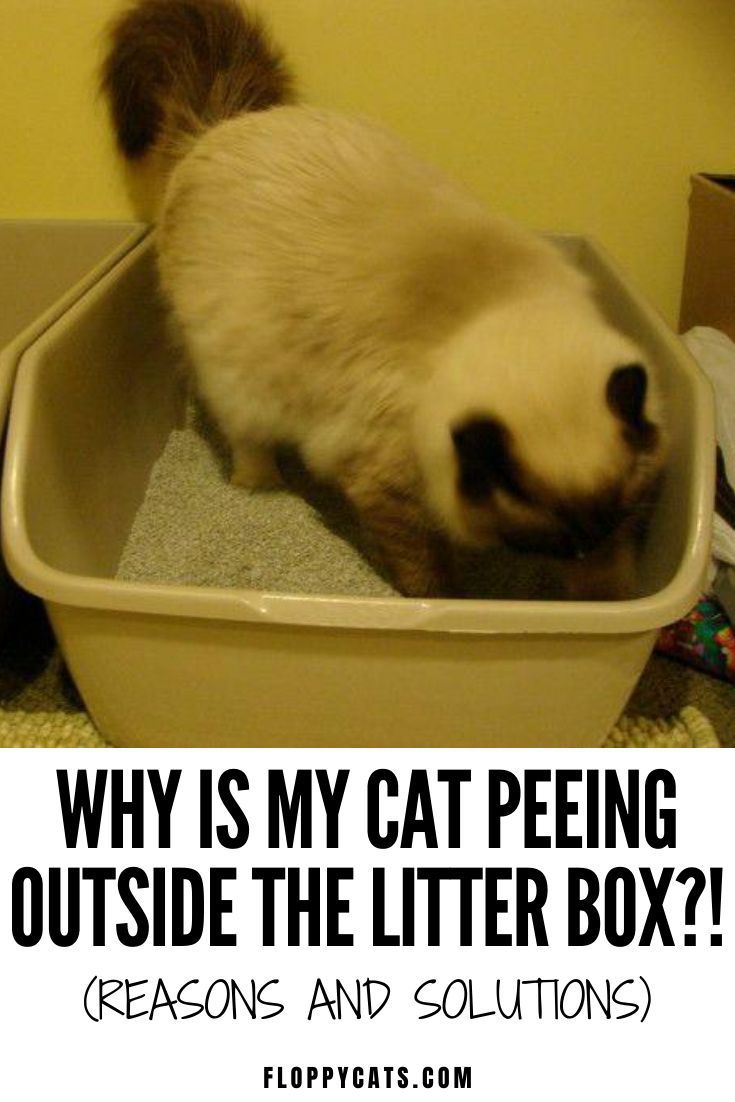


Providing an adequate number of litter boxes is also crucial. The general rule is one litter box per cat, plus an extra one. This can help prevent territorial disputes and ensure that each cat has access to a clean litter box.
Stress and Sudden Changes
Cats are creatures of habit and can become stressed when their environment changes suddenly. Stress can manifest in many ways, including changes in litter box habits. If your cat recently moved, had a new pet or family member join the household, or experienced any significant changes, she may be stressed.
To help your stressed cat, maintain a consistent routine and provide plenty of opportunities for play and interaction. You can also create a calm, secluded space for your cat to retreat to when she feels overwhelmed. If stress-related issues persist, consult your vet for additional advice and support.
In some cases, your cat may simply dislike the type of litter you're using. Cats have distinct preferences when it comes to litter texture, scent, and type. Experiment with different litters to find one that your cat approves of, and ensure that the litter is clumping, unscented, and contains no additives that could irritate your cat's sensitive systems.
Finally, always listen to your cat. Cats communicate their needs and discomfort in various ways, from body language to vocalizations. If your cat is repeatedly straining to urinate, Vocalizing during or after urination, or refusing to use her litter box, she's trying to tell you something. Trusting your instincts and being proactive can help you address your cat's peeing issues before they become more significant problems.