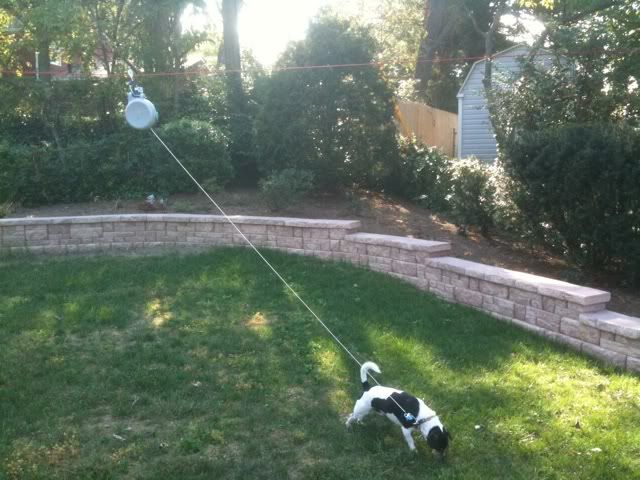
Zip lines, although commonly associated with thrill-seeking humans, can also provide a unique and exciting way of exercise and fun for our furry companion, the large dog. If you're a dog owner with a spacious backyard or access to a large open space, consider installing a dog-friendly zip line. Not only will it provide a safe, controlled environment for your dog to enjoy, but it can also help them stay active, socialize, and expend some of that boundless energy.
Before you proceed, ensure you understand the safety and practical considerations involved. This comprehensive guide will walk you through the process, from choosing the right equipment to training your dog to use it safely and responsibly.
Choosing the Right Equipment
Investing in quality, dog-specific zip line equipment is paramount. humanidadline, our top pick, is designed with large dogs in mind, with heavy-duty cable capable of supporting up to 200 pounds. Its adjustable height and length allow for a safe and comfortable experience for your pooch.


The line should be at least 6-feet high and 50-feet long to cater to the size and energy levels of large dogs. Also, ensure the cable is made of galvanized steel or aircraft-grade aluminum for durability and safety.
Deciding on the Zip Line Type
The type of zip line you choose depends on your dog's size, age, and physical activity level.


The most common is the pulley aérienne line, which has a harness that your dog wears. This type offers the most control and safety, especially for inexperienced dogs.
Installation Considerations
Install the zip line on a stable structure, such as a wooden post or a sturdy, supportive tree. Anchoring it firmly to the ground will prevent it from tipping over due to the dog's weight and momentum.
Furthermore, consider the angle of the line. Too steep can cause the dog to gain too much speed and slip out of the harness. Too flat and your dog might struggle to build up enough speed to enjoy the ride. A 20-30 degree angle from the ground is generally suitable for most dogs.


Training Your Dog to Use the Zip Line
Introduce your dog to the zip line gradually, ensuring they're comfortable and safe throughout the process. Follow these steps to train your dog:
Next, position your dog at the start of the line and use a treat to encourage them to move forward. As they gain speed, praise them, and once they reach the end, offer them a treat and lots of praise. Gradually increase the distance and speed as their confidence grows.



Safety Measures
Always supervise your dog while using the zip line. In case of an accident, ensure you have a first aid kit nearby and that your vet's number is easily accessible.
Regularly inspect the zip line for any damage. Replace any worn-out parts immediately to prevent accidents. Additionally, ensure your dog is fully recovered from major surgery or has no underlying medical conditions before introducing them to zip lining.
Socialization and Alternative Uses
Zip lines can be an excellent tool for socializing your dog. Invite other dog owners with compatible dogs and let them enjoy the zip line together. This can help your dog build positive associations with other dogs and people.
Alternatively, you can use the zip line for agility training or as an engaging way to teach your dog new commands. A well-trained, confident dog is a joy to watch on the zip line, navigating curves and speeds with ease and grace.
So, ready to give your furry friend a new, exciting way to play and stay active? With careful consideration, proper equipment, and patient training, a zip line can provide joy, exercise, and a unique bonding experience for you and your large dog. And remember, always put safety first and monitor your dog's behavior and enjoyment levels throughout the experience. Now, go ahead, let your dog fly!"