The 2002 Ford Explorer Sport Trac, a unique blend of SUV versatility and pickup truck functionality, left a notable mark on the automotive scene. As Ford's first four-door, four-wheel drive pickup, its appeal lies in its flexibility and capability. One crucial aspect that often comes into play when considering any vehicle is its fuel efficiency, especially the MPG (miles per gallon) figure.
The 2002 Ford Explorer Sport Trac's MPG rating varied depending on the engine option you chose. Let's delve into the specific MPG figures associated with each engine and explore what factors can impact these numbers.
Engine Options & MPG Figures
The 2002 Ford Explorer Sport Trac came equipped with two engine options - a 4.0L V6 and a 4.6L V8. Understanding the MPG differences between these engines can help prospective buyers make an informed decision.
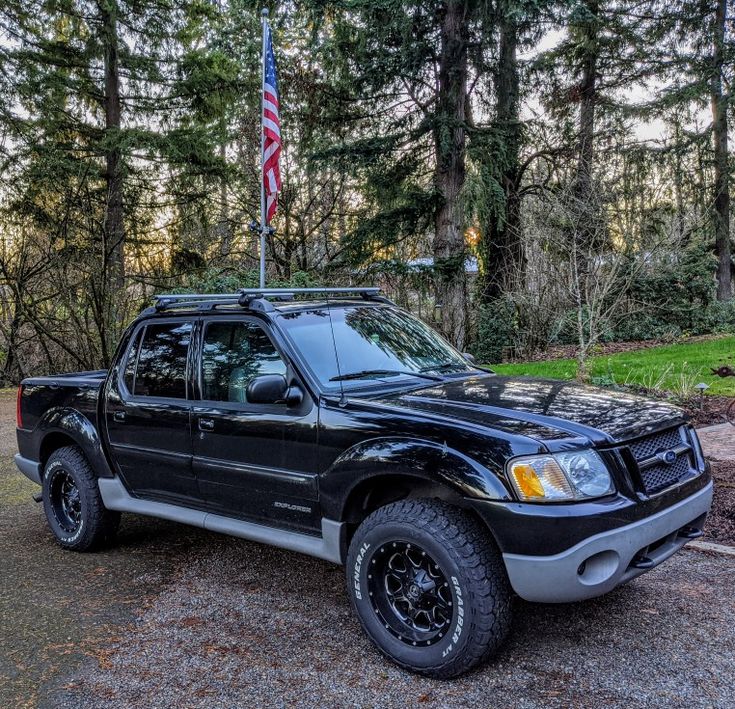


According to the U.S. Department of Energy, the 4.0L V6 offered an approximate combined city/highway MPG of 18, with 15 miles in the city and 19 on the highway. On the other hand, the 4.6L V8 engine delivered a combined figure of 15, with about 12 miles in the city and 18 on the highway.
4.0L V6 Engine
The 4.0L SOHC V6 engine churned out 207 horsepower and 237 lb-ft of torque. This engine was known for its robust performance and adequate fuel efficiency for a truck of its size.


For instance, a car owner who primarily drives on highways might find the 20 mpg highway figure more appealing, while someone whose daily commute involves a lot of city driving might prefer the 15 mpg city figure.
4.6L V8 Engine
The 4.6L DOHC V8 engine, on the other hand, packed a punch with 240 horsepower and 285 lb-ft of torque. Despite its higher power output, it still managed a reasonable 15 mpg combined figure, with 12 mpg in the city and 18 mpg on the highway.
Although the V8 offers more power, potential buyers may find the MPG figures slightly less impressive than the V6. It's essential to consider that the V8's additional power comes in handy when towing or carrying heavy loads, tasks for which the Sport Trac was designed.


Factors Affecting MPG
Many factors can influence the actual MPG figures you achieve with your 2002 Ford Explorer Sport Trac.
Driving habits, vehicle maintenance, and additional equipment can all play a role in affecting the MPG. Here are a few factors to consider:
Driving Style
A aggressive driving style, with frequent heavy acceleration and braking, can lower your actual MPG figures. Conversely, a smoother driving style, maintaining a constant speed, and avoiding unnecessary acceleration can help you achieve better MPG figures.


Vehicle Maintenance
Regular maintenance, including oil changes, air filter replacement, and keeping the tires properly inflated, can help ensure your engine runs efficiently, thus improving your MPG figures. Failure to maintain your vehicle can lead to decreased fuel efficiency and higher fuel costs over time.
Terrain and Load
Driving in challenging terrain, such as hilly regions, or carrying heavy loads in the bed, can reduce your MPG figures. These conditions require more engine power, leading to higher fuel consumption.
The 2002 Ford Explorer Sport Trac, with its unique design and various engine options, offers a capable, versatile vehicle with MPG figures that cater to a range of buyers. Whether opting for the 4.0L V6 with its balanced power and fuel efficiency or the more powerful 4.6L V8, understanding the factors that influence MPG can help you make the most of your vehicle's fuel efficiency.