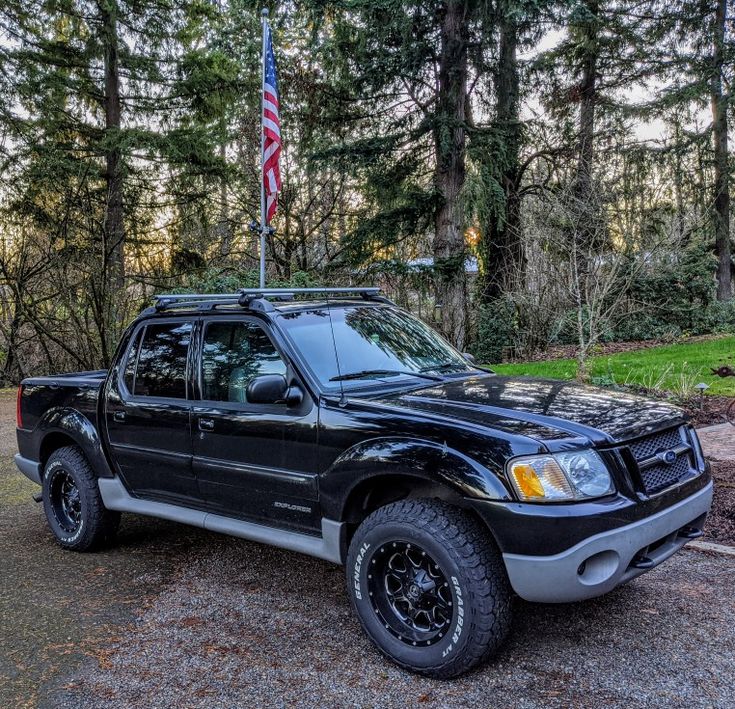
The Ford Explorer Sport Trac, a unique blend of SUV practicality and pickup truck functionality, has been a popular choice among drivers seeking versatility and power. One of the key considerations for potential buyers is the vehicle's gas mileage. Understanding the fuel efficiency of the Ford Explorer Sport Trac is crucial in estimating running costs and environmental impact. Let's delve into the details of the Ford Explorer Sport Trac's gas mileage.
Firstly, it's essential to note that the gas mileage can vary depending on the model year and trim level of the Ford Explorer Sport Trac. This guide will focus on the 2007-2010 models, which were the last of their kind before Ford discontinued the Sport Trac to make way for the Explorer-based Transit Connect.
Understanding the 2007-2010 Ford Explorer Sport Trac Gas Mileage
The 2007-2010 Ford Explorer Sport Trac came with a standard 4.0L SOHC V6 engine, although some models offered the optional 4.6L SOHC V8 engine. Both engines were paired with a 5-speed automatic transmission.


City and Highway Mileage
2007 Ford Explorer Sport Trac
- 4.0L V6: Up to 17 MPG city / 23 MPG highway
- 4.6L V8: Up to 15 MPG city / 21 MPG highway
The 2007 Ford Explorer Sport Trac offered reasonable fuel economy, especially with the base V6 engine. The V8 engine, while providing more power, came at the cost of reduced fuel efficiency.


2008-2010 Ford Explorer Sport Trac
- 4.0L V6: Up to 17 MPG city / 23 MPG highway (2008-2009), 16 MPG city / 23 MPG highway (2010)
- 4.6L V8: Up to 15 MPG city / 21 MPG highway (2008-2009), 14 MPG city / 20 MPG highway (2010)
From 2008 onwards, the Ford Explorer Sport Trac's gas mileage remained largely unchanged, with slight drops observed in the 2010 models.
Factors Affecting Ford Explorer Sport Trac Gas Mileage
Several factors can influence the gas mileage of a Ford Explorer Sport Trac. Understanding these factors can help owners optimize their vehicle's fuel efficiency.
Driving Habits and Conditions
- Speed: Driving at consistent, moderate speeds can help improve gas mileage.
- Aerodynamics: To minimize wind resistance, avoid transporting unnecessary items on the roof or in the truck bed.
- Idling: Excessive idling can waste fuel and lower your vehicle's overall gas mileage.
Vehicle Maintenance
- Tire Pressure: Regularly checking and maintaining correct tire pressure can improve gas mileage.
- Air Filters: Clean air filters allow your engine to run more efficiently, enhancing fuel economy.
- Regular Service: Staying on top of routine maintenance, such as oil changes and spark plug replacements, helps preserve your engine's performance and fuel efficiency.
In the end, the decision to purchase a Ford Explorer Sport Trac often depends on the unique needs and preferences of each driver. While the Sport Trac's gas mileage may not be class-leading, its blend of versatility, power, and rugged good looks continues to appeal to a diverse range of customers. By understanding and addressing the factors that influence gas mileage, owners can ensure their Ford Explorer Sport Trac delivers optimal performance and fuel efficiency. As you consider your automotive needs, the Ford Explorer Sport Trac warrants a closer look – it just may be the perfect blend of SUV practicality and pickup truck capability that you've been seeking.