Choosing the right tire for your vehicle can significantly impact handling, performance, and safety. Two common tire size options among consumers are 265/70R16 and 285/75R16. Both sizes share the same rim diameter of 16 inches, but their overall diameter, width, and aspect ratios differ, which impacts their application and performance. Let's delve into the intricacies of each size to help you make an informed decision.
Before we explore each size in detail, let's understand the tire size coding system: the first number represents the tire's width in millimeters, the second denotes the aspect ratio (the height of the tire's cross-section as a percentage of the tread width), and the last number specifies the rim diameter in inches.
265/70R16 Tires
The 265/70R16 is a popular size among compact and mid-size vehicles, as well as some light trucks. With a 265mm width and 70% aspect ratio, these tires boast a substantial footprint, providing excellent traction and stability.


The 265/70R16 tire's overall diameter is approximately 28 inches, which translates to a slightly taller stance than stock tires for many vehicles. This can modify handling characteristics, making the vehicle feel slightly taller and more planted on the road.
Applications and Use Cases
Due to their larger footprint and taller stance, 265/70R16 tires are popular among off-road enthusiasts and those seeking a more aggressive look. They excel in light off-roading and can provide improved performance in deep snow or mud with the right tread pattern.


On-road, these tires offer robust traction and stability, with a slight trade-off in high-speed performance and fuel efficiency due to their larger size.
Possible Fitment Challenges
Due to their increased width and taller stance, 265/70R16 tires may require further modifications, such as wheel spacers, to clear wider brakes or suspension components. Always check vehicle-specific fitment guides before proceeding with installation.
Moreover, wider tires can cause increased tire rub on tight-turning vehicles or those with limited suspension travel, such as some sports cars or heavy duty trucks.


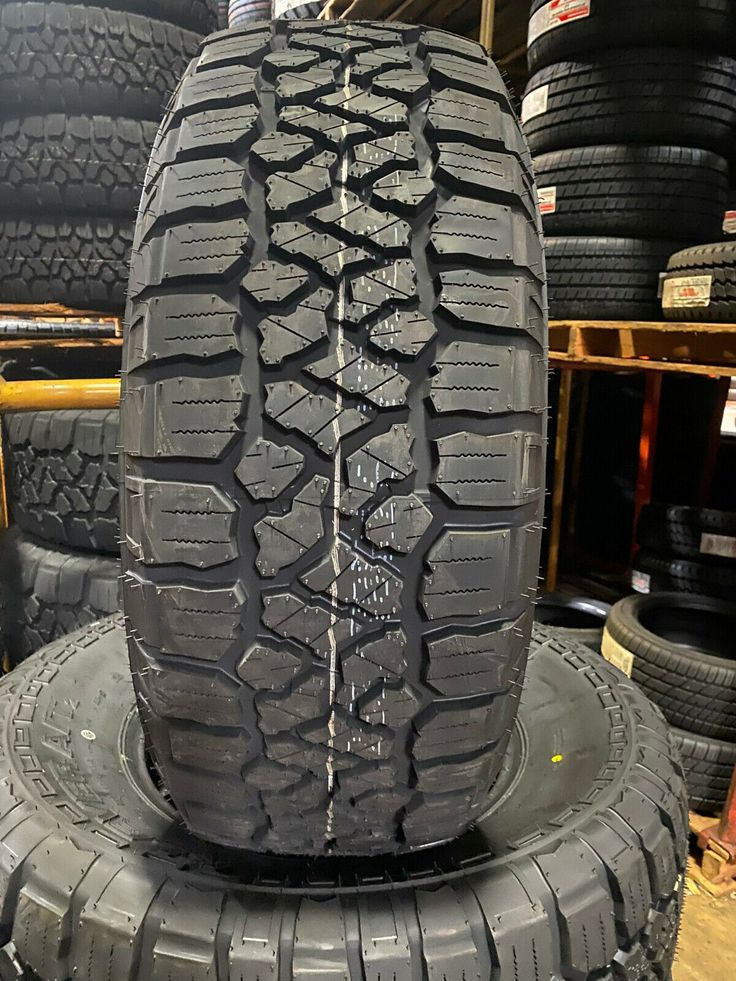
285/75R16 Tires
With a 285mm width and a 75% aspect ratio, 285/75R16 tires offer an even larger footprint and a taller stance than their 265/70R16 counterparts. These tires are commonly used in heavy-duty trucks, SUVs, and some high-performance vehicles seeking enhanced grip.
The 285/75R16 tire's overall diameter is approximately 29.5 inches, making them clearly taller than stock tires for most vehicles. This can significantly alter handling dynamics, affecting everything from steering feel to stopping distances.
Applications and Use Cases
The wide footprint of 285/75R16 tires provides exceptional grip, making them well-suited for heavy-duty towing and hauling applications, as well as high-performance driving in dry conditions. Their tall stance can enhance suspension articulation in off-road scenarios and provide increased ground clearance.


However, due to their larger size, these tires can experience reduced mileage compared to smaller, lower-profile alternatives. They may also be more prone to road noise and incompatible with some vehicles' onboard tire monitoring systems.
Fitment Considerations
As with 265/70R16 tires, proper fitment is crucial for 285/75R16 tires. Many vehicles will require wheel spacers, and some may necessitate fender rolling or other modifications. Always consult vehicle-specific fitment guides to avoid potential issues.
Furthermore, ensure that your vehicle's speedometer and odometer are recalibrated after installing larger tires, as their diameter affects the reported speed and distance.
In the end, both 265/70R16 and 285/75R16 tires have their unique advantages, catering to different driving needs and preferences. To make the best choice, consider your vehicle's intended use, available tire fitment, and the performance characteristics you desire. Consulting with a professional or sourcing vehicle-specific information can also help ensure a successful tire upgrade tailored to your needs.