When it comes to choosing the right tires for your vehicle, the tire size is a crucial factor. Two popular tire sizes often compared are 265/70r17 and 275/70r17. Both have their unique features and advantages, and the best choice depends on your specific vehicle, driving habits, and preferences. Let's delve into the details to help you make an informed decision.
First, let's understand what these tire size designations mean. The numbers represent tire width, aspect ratio, and rim diameter. In 265/70r17 and 275/70r17, the first three digits indicate the tire width (in millimeters), the following two digits denote the aspect ratio (the height of the tire's cross-section as a percentage of its width), and 'r' followed by two digits signify the rim diameter (in inches).
Understanding the Tire Size Difference
The primary difference between these two tire sizes lies in the tire width - 265mm for 265/70r17 and 275mm for 275/70r17. This width difference can significantly impact various aspects of your vehicle's performance and aesthetics.


Both tire sizes have the same aspect ratio and rim diameter, which means they have the same relative height and fit the same rim size. This similarity ensures that these tires have comparable profiles, stepping height, and clearances, making them suitable for various vehicle types.
265/70r17 - Narrower Stance
Tires with a 265mm width provide a narrower stance. This narrower footprint can offer several advantages. Firstly, they can help improve fuel efficiency due to lower rolling resistance. Secondly, their narrower contact patch with the road can enhance maneuverability in tight spaces and provide better traction on dry roads.


However, this narrower stance can also lead to reduced traction in slippery conditions. Narrower tires have less rubber on the road, allowing less grip on wet or snowy surfaces. Moreover, they might not offer the same level of stability and composure at high speeds compared to wider tires.
275/70r17 - Wider Stance
Tires with a 275mm width offer a wider stance, providing benefits in terms of stability and grip. The extra width equates to more rubber on the road, enhancing traction in wet, snowy, or off-road conditions. This wider footprint also aids in maintaining composure at high speeds, especially around corners.
However, wider tires come with their trade-offs. They may have higher rolling resistance, potentially leading to reduced fuel efficiency. Additionally, they might negatively impact vehicle handling due to increased mass and could cause slight changes in suspension geometry, potentially leading to increased tire noise or ride harshness.


Vehicle Compatibility and Fitment
Before making a decision, it's crucial to consider whether your vehicle can accommodate these tire sizes without modifications. While both tires fit on the same rim diameter (17 inches), wider tires mightrequire wheel spacers to prevent rubbing against the vehicle's body or suspension components.
The best approach is to check your vehicle's owner manual or consult a tire professional to ensure the tires fit correctly. Also, consider the available options for your specific vehicle make and model, as some vehicles might not support either of these two sizes.
265/70r17 - Common Fitment
Tires of this size are commonly found on various light trucks, SUVs, and crossovers, such as the Toyota Tacoma, Chevrolet Colorado, Ford Escape, and Honda CR-V. They are popular choices for vehicles that prioritize ride comfort, fuel efficiency, and on-road handling.

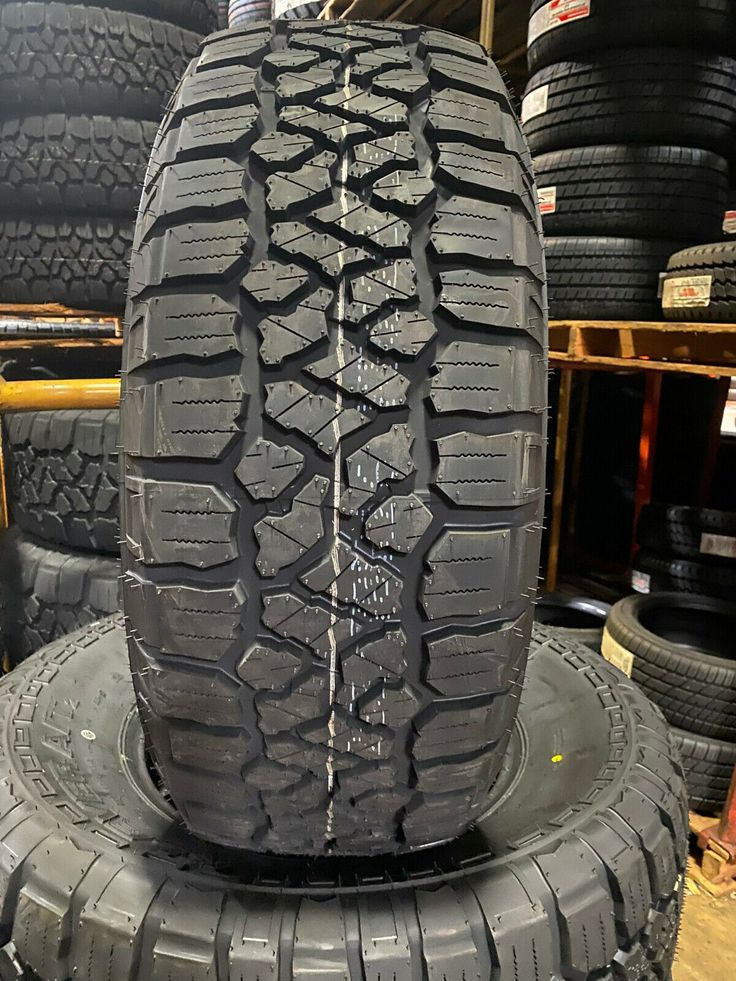


275/70r17 - Growing Popularity
With the rise of lifted trucks and SUVs, tires of this size have gained popularity among off-road enthusiasts. Vehicles like the Jeep Wrangler, Ford F-150, and Toyota 4Runner often come with or can be easily upgraded to this tire size. The wider stance offers better traction and stability for off-road adventures and towing.
However, before you make a decision, remember that changing tire sizes can affect your vehicle's speedometer reading, braking distance, and other systems. Therefore, it's always a good idea to consult a professional mechanic or tire specialist to ensure the best possible outcome.
In the end, the choice between 265/70r17 and 275/70r17 depends on your personal preferences and driving conditions. If you prioritize fuel efficiency and on-road handling, the 265/70r17 might be the better choice. On the other hand, if you value enhanced traction, stability, and off-road performance, consider the 275/70r17. Ultimately, the best tire is the one that meets your specific needs and keeps you safe on the road.