When it comes to selecting the right tires for your vehicle, size and dimensions matter greatly. Two tire size labels that often leave drivers puzzled are 285/60R20 and 265/70R17. Let's break down each, discuss their key differences, and explore when you might choose one over the other.
First, a quick primer on tire sizes. The formula is typically 'X/YZ', where 'X' indicates the tire width in millimeters, 'Y' is the aspect ratio (the height of the tire sidewall as a percentage of the width), and 'Z' refers to the diameter of the wheel in inches.
Understanding the Numbers: Width, Aspect Ratio, and Diameter
Starting with the 285/60R20:


- Width: 285 millimeters - Widest among the two.
- Aspect Ratio: 60 - Taller sidewall compared to the 265/70R17.
- Diameter: 20 inches - Larger wheel diameter.
Now, turning to the 265/70R17:
- Width: 265 millimeters - Narrower than the 285/60R20.
- Aspect Ratio: 70 - Lower aspect ratio, meaning a shorter sidewall.
- Diameter: 17 inches - Smaller wheel diameter.
285/60R20: Perfect for Sporty and Luxury Vehicles
The 285/60R20 is a popular choice for sporty and luxury vehicles. Its wider profile provides better cornering grip, and the taller sidewall enhances ride comfort and allows for successful off-road ventures.


penséeThe trade-off is slightly lower fuel efficiency due to the increased weight and rolling resistance, and potentially reduced stability at high speeds. However, for drivers who prioritize performance and comfort, this tire size is an excellent choice.
265/70R17: Ideal for SUVs and Light Trucks
The 265/70R17 is commonly used on SUVs and light trucks. The lower profile provides better handling and stability, especially at high speeds. The shorter sidewall also means enhanced steering responsiveness.
Despite its advantages, this tire size may compromise ride comfort due to the stiffer sidewalls. Additionally, while the 265/70R17 can handle light off-roading, its capabilities fall short of the 285/60R20.


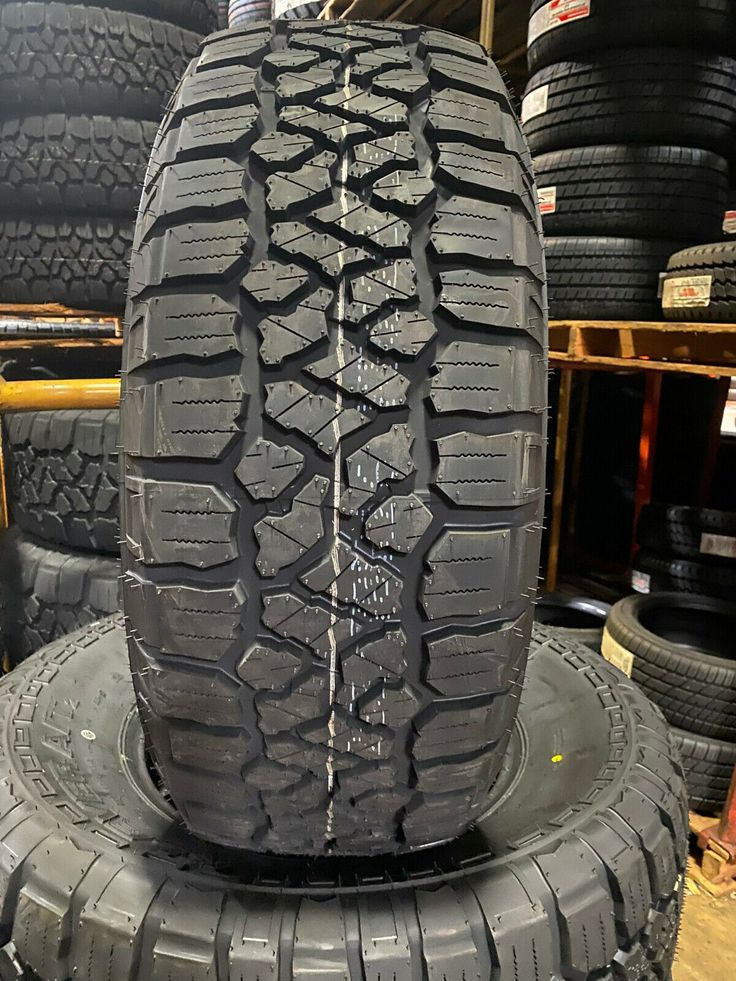


Matching Your Vehicle's Requirements
When deciding between these two tire sizes, consider your vehicle's intended use. For sporty or luxurious cars that require enhanced cornering grip and ride comfort, the 285/60R20 is a strong contender.
On the other hand, if you drive an SUV or light truck that demands handling stability and responsiveness during high-speed driving, the 265/70R17 might be the better fit.
Lastly, do not overlook the importance of checking your vehicle's owner's manual for recommended tire sizes. Always prioritize safety and performance over minor personal preferences. The right tires can significantly enhance your driving experience, make sure you choose wisely.


