The phrase "285 75R17 width in inches" often crosses the minds of car enthusiasts and drivers looking to upgrade their tires. But what exactly does it mean, and how does it relate to the size of your tires in inches? Let's delve into the world of tire sizing to demystify this code and help you make informed decisions about your vehicle's tires.
Tire sizes are often expressed using a system of codes, like the one in our query. Understanding these codes can help you determine the correct size and type of tire for your car. So, let's break down the "285 75R17" code and find out what it signifies in terms of width in inches.
The Anatomy of a Tire Size Code
Tire size codes typically consist of three numbers and one letter, followed by another size (e.g., 285/75R17). Each part of the code represents a specific tire dimension or characteristic:


- The first number (285) reflects the tire width, measured in millimeters, from the widest point of the outer tread to the widest point of the inner tread.
- The second number (75) is the aspect ratio, which is the height of the tire's cross-section compared to the tire width (expressed as a percentage).
- The letter (R) stands for radial construction, which is standard in modern tires.
- The third number (17) indicates the diameter of the wheel in inches.


Calculating Width in Inches
So, how do we convert the tire width from millimeters to inches? The conversion factor is straightforward: 1 inch is equal to 25.4 millimeters. Therefore, to find the width in inches for a 285mm tire, we divide the width in millimeters by 25.4:
Width in inches = Width in mm / 25.4
Width in inches = 285 / 25.4 ≈ 11.22 inches
Thus, a 285 75R17 tire is approximately 11.22 inches wide.
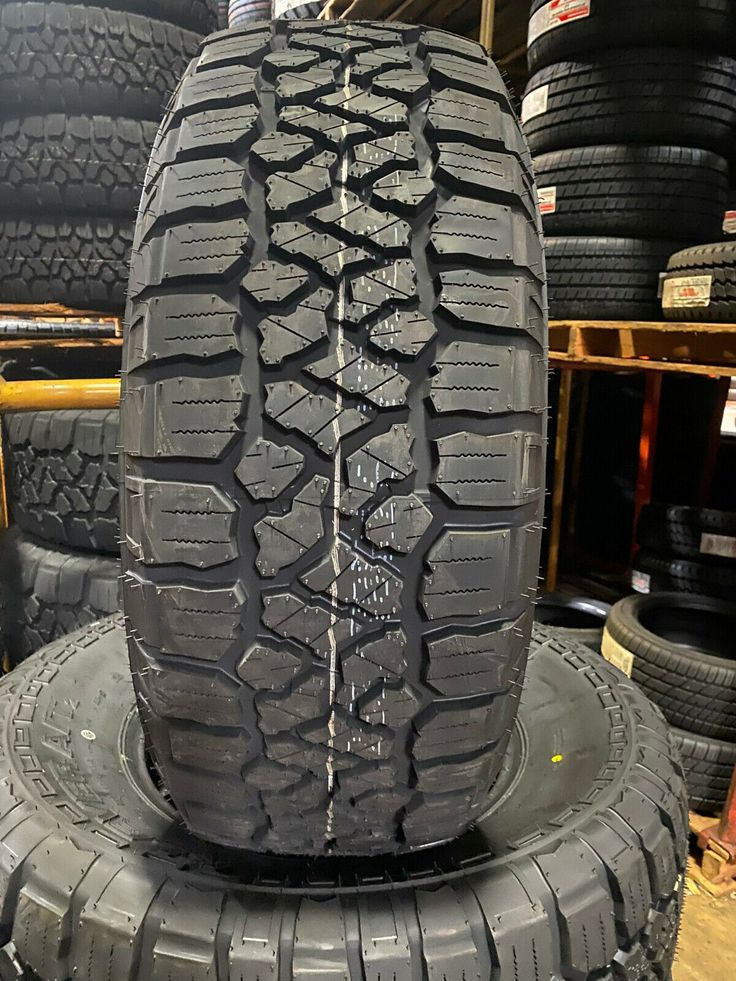


Why Does Tire Width Matter?
Tire width plays a significant role in various aspects of your vehicle's performance and comfort:
- Grip and handling: Wider tires provide a larger contact patch with the road, enhancing grip and handling, especially during cornering.
- Traction: Wider tires generally offer better traction, both on and off-road, due to their ability to displace more snow, mud, or water.
- Comfort: Wider tires often lead to a more comfortable ride, as they can absorb and distribute impacts more efficiently.
- Road noise: Wider tires may generate more road noise at highway speeds, but this varies depending on the tire's construction and compound.


Factors to Consider When Choosing Tires
Now that we've discussed the width aspect, let's touch on other crucial factors to consider when selecting tires for your vehicle:
- Tire type: Consider the type of driving you do most – whether it's everyday city driving, highway cruising, or off-road adventures. This will help you choose the appropriate tire category, such as all-season, winter, performance, or all-terrain.
- Weather conditions: Opt for tires designed to handle the climate in your region, including summer, winter, or all-season tires that perform well year-round.
- Tread pattern: Different tread patterns cater to various driving styles and road conditions. Symmetrical, asymmetrical, and directional tread patterns each have their advantages.
- Load index and speed rating: Ensure that your new tires have an appropriate load index (to support your vehicle's weight) and speed rating (to match or exceed your vehicle's recommended speed rating).
Common Tire Sizes and Their Width in Inches
To give you a better understanding of tire widths, here's a list of common tire sizes and their approximate widths in inches:
| Tire Size | Width (inches) |
|---|---|
| 195/65R15 | 7.7 |
| 205/55R16 | 8.1 |
| 225/60R17 | 8.9 |
| 245/65R18 | 9.6 |
| 275/70R18 | 10.7 |
| 315/70R17 | 12.4 |
| 335/40R21 | 13.2 |
Remember that wider tires aren't always better – they can affect your vehicle's handling, fuel economy, and ride comfort. It's essential to strike a balance between width and other factors when choosing tires.
In the world of tires, size matters – and now you know how to read and understand tire size codes, convert widths to inches, and make informed decisions about your tire choices. So go forth, armed with this newfound knowledge, and find the perfect set of tires for your vehicle. Happy driving!