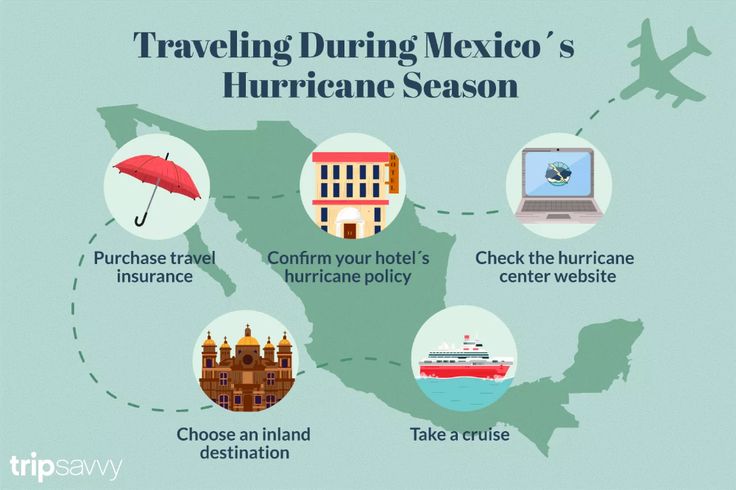
Coastal Mexico, including popular tourist destinations like Cancun and Puerto Vallarta, is no stranger to hurricanes. But what about inland areas, such as Merida, the vibrant capital of Mexico's Yucatan state? Does this city face the same threat?
To the relief of many, the answer is not as straightforward as one might think. While Merida is not exempt from hurricanes, its location and geographical features make it considerably less vulnerable than coastal cities.
Understanding Merida's Geography and Weather
Merida is located about 30 miles (48 kilometers) from the Gulf of Mexico. This distance, coupled with the fact that most hurricanes lose strength as they move inland, significantly reduces the risk of catastrophic storms for Merida.


Moreover, the city's location on the Yucatan Peninsula, which is largely flat andacu plains, further diminishes the impact of hurricanes. Unlike mountainous regions, these plains offer little resistance for storm surges or strong winds.
Hurricane History in Merida
Historically, hurricanes have not caused major damage in Merida. Notable exceptions include Hurricane Gilbert in 1988, which hit the Yucatan Peninsula as a Category 5 storm. However, the damage in Merida was relatively minor due to its inland location.


More recently, Hurricane patronage in 2005 skirted Merida's northern coast, causing power outages and minor flooding but no significant destruction in the city itself.
The official hurricane season in the Atlantic basin, which includes the Gulf of Mexico, runs from June 1 to November 30. In Merida, local authorities and residents take these months seriously, preparing for potential storms with sandbagging, tree trimming, and worst-case scenario planning.
Merida's infrastructure, including hospitals, schools, and public transportation, has been designed to withstand tropical storms. Regular drills and training exercises ensure that residents know what to do before, during, and after a hurricane.
Why Merida is Less Vulnerable to Hurricanes
The reduced hurricane risk in Merida can be attributed to several factors. Firstly, the city's inland location means it is less exposed to storm surges and high waves, which often cause the most destruction in coastal areas.
Secondly, Merida's urban design and zoning laws have been developed with hurricane risk in mind. Buildings are sturdily constructed, and green spaces are preserved to absorb rainwater and prevent flooding. Additionally, the city's low elevation (around 30 feet or 9 meters above sea level) further reduces the risk of flooding.
Tourism in Merida During Hurricane Season
While hurricane season can pose challenges for tourism in Merida, it is crucial to note that the city remains safe for visitors. Most hurricanes areredictable, and travel warnings are issued well in advance, allowing tourists to plan accordingly or change their travel dates if necessary.
Furthermore, the city's dry season, which runs from November to May, corresponds with the peak tourist season. During this period, hurricanes are less likely, ensuring a pleasant and safe visit for travelers.
In Merida, the risk of hurricanes is real but significantly lower than in coastal cities. With sound planning, preparation, and infrastructure, this vibrant city can weather the storms, ensuring the safety and comfort of its residents and visitors alike. So, while hurricanes may affect Merida, they are far from its defining characteristic, leaving visitors free to enjoy its rich culture, history, and beauty.