Mexico's Yucatan Peninsula, including the enchanting city of Merida, is a breathtaking destination that graces travel bucket lists worldwide. But with its lush landscapes and vibrant culture, visitors often wonder if Merida ever encounters the formidable power of hurricanes. Let's delve into the facts to understand the hurricane situation in Merida.
Firstly, it's crucial to understand the geography and the complex weather patterns around Merida. Nestled on the northwest side of the Yucatan Peninsula, it lies roughly 30 miles (48 km) inland from the Gulf of Mexico. This location significantly impacts its hurricane exposure compared to coastal cities like Cancun or Tulum.
Hurricane Frequency
Merida's position on the maps matters when it comes to hurricane activity. Due to its inland location, hurricanes rarely make a direct hit on the city. However, it's not completely immune to these powerful storms. From 1851 to 2016, Merida experienced direct hits from only two major hurricanes - Hurricanes Janet in 1955 andsville Iniki in 1992.


When hurricanes do approach the Yucatan Peninsula, they often weaken as they traverse the Yucatan Channel or move over the land, dissipating their energy. This phenomenon provides Merida with a relative advantage compared to coastal destinations.
Seasonal Hurricane Activity
Hurricane season in the Atlantic basin, which includes the Gulf of Mexico, officially runs from June 1st to November 30th, with September being the peak month. However, it's essential to note that Merida can experience tropical rainstorms or remnants of hurricanes even outside this season.


Despite the official season, Merida's climate remains warm and humid year-round, with temperatures typically ranging between 77-93°F (25-34°C). This constant warmth, along with surface water temperatures, fosters an optimum environment for tropical cyclones to form at any time.
Hurricane Impacts on Merida
When hurricanes do impact Merida, the consequences are usually minimal compared to coastal cities. The primary effects typically involve heavy rainfall, strong winds, and intermittent power outages. Some older buildings might endure minor structural damage, but significant destruction is rare.
In most cases, Merida'shurricane preparedness measures, such as reinforcingstructures and improving drainage systems, help mitigate the risks. Nonetheless, flash flooding can still occur, especially in low-lying areas or after prolonged rainfall.


Staying Safe and Informed
Regardless of Merida's lower hurricane risk, safety precautions are still vital for visitors and residents alike. Staying informed about current weather conditions and following local advice are paramount when visiting or living in Mexico's Yucatan Peninsula.
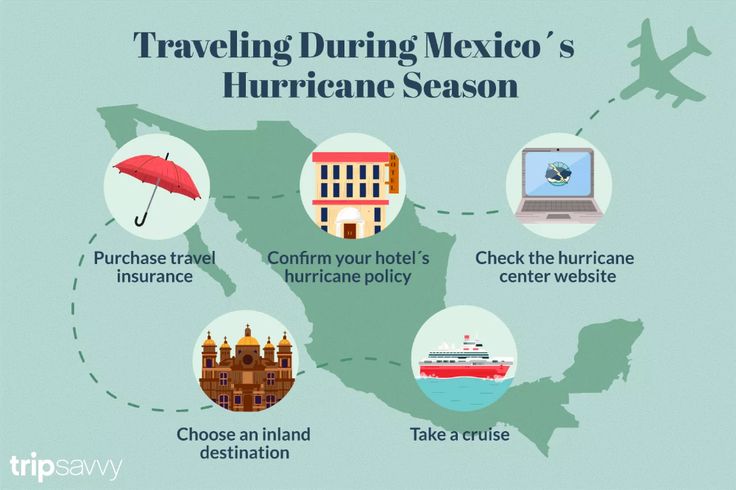
Many hotels and resorts in Merida provide up-to-date weather information and safety guidelines. Additionally, downloading reliable weather apps and signing up for local alerts can help you stay proactive and informed during your trip.
Travel Insurance and advisories
Purchasing travel insurance that covers trip cancellations, interruptions, or delays due to hurricanes is advisable. This safety net ensures you won't be financially burdened if a tropical storm alters your plans. Also, keep an eye on travel advisories published by governments or trusted travel organizations to stay informed about any changes in guidelines or recommendations.


In conclusion, while hurricanes are an undeniable force of nature, Merida's geography and weather patterns help mitigate their impact on the city. As long as you stay informed, take necessary precautions, and monitor weather conditions, you can safely enjoy the captivating culture, vibrant art, and delicious cuisine that Merida offers.