When the topic of hurricanes and their impact arises, many people wonder, "Do hurricanes hit Mexico?" The short answer is yes, Mexico is indeed prone to hurricanes due to its geographic location. The country's eastern coastlines, particularly the Gulf of Mexico and the Yucatan Peninsula, are directly exposed to the Atlantic hurricane season, which runs from June to November. This article explores why hurricanes affect Mexico, the regions most at risk, and the measures in place to mitigate hurricane damage.
The Atlantic Ocean's warm waters serve as the perfect breeding ground for hurricanes. As these storms develop and strengthen, they often track northwestward, making a direct path towards Mexico. The country's numerous coastal cities and resorts have unfortunately been on the receiving end of some of the most powerful hurricanes in recent years. Understanding this pattern is crucial for residents and visitors alike to stay safe during hurricane season.
Hurricane Prone Regions in Mexico
The East, South, and Southeast regions of Mexico are the most susceptible to hurricanes. These areas include the Gulf of Mexico states like Tamaulipas, Veracruz, and Tabasco, as well as the Yucatan Peninsula, home to popular tourist destinations like Cancun and Playa del Carmen. The Pacific coast, although less prone, can also experience hurricanes, albeit less frequently. Here are two specific regions at high risk:


The Gulf of Mexico Coast
The Gulf of Mexico coast, stretching from the Texas border to the Yucatan Peninsula, faces a high risk of hurricanes due to its direct exposure to the Atlantic Ocean. This region accounts for a significant portion of Mexico's coastline and is home to some of the country's largest cities, like Veracruz and Ciudad del Carmen. The shallow waters and narrow coastline amplify storm surges, making hurricanes particularly devastating in this area.
Historical hurricanes, such as Hurricane Katrina in 2005 and Hurricane Harvey in 2017, serve as reminders of the potential danger to the Gulf of Mexico coast. In Mexico, Hurricane Gilbert in 1988 remains one of the most powerful Atlantic hurricanes ever recorded, leaving lasting impact on the coastal regions it affected.


The Yucatan Peninsula
The Yucatan Peninsula, comprising the Mexican states of Yucatan, Campeche, and Quintana Roo, is another hurricane hotspot. This tourist magnet attracts millions of visitors each year, making hurricane preparedness and response a critical concern for local authorities. The region's low elevation and lack of high mountains make it vulnerable to storm surges and excessive rainfall, which can lead to significant flooding.
In recent years, the Yucatan Peninsula has been hit by several notable hurricanes, including Wilma (2005), Dean (2007), and Gustav (2008). These storms caused extensive damage to infrastructure and brought tourism to a temporary halt. Local emergency management agencies have since beefed up preparations to safeguard lives and minimize disruption to the local economy.
Hurricane Preparedness and Response in Mexico
Given the annual threat of hurricanes, Mexico has implemented a comprehensive disaster management system to protect its citizens and visitors. The National Civil Protection System (SINAPROC) works year-round to prepare for and respond to natural disasters, including hurricanes. Their key initiatives include:")




1. **Early Warning Systems**: Mexico has established a robust network of weather stations and communication tools to disseminate timely and accurate information to the public during hurricane threats. Local and national media outlets broadcast updates and evacuation orders to informed residents and prepare them for the worst.
Evacuation Routes and Shelters
SINAPROC works alongside state and local authorities to develop and publicize evacuation routes and shelter locations. As hurricanes approach, these routes are activated, guiding individuals safely away from the most high-risk areas. Shelters are established in sturdy, accessible buildings where evacuees can wait out the storm in safety.
Emergency Assistance and Response
Mexico maintains an agile and well-trained emergency response fleet, including ambulances, fire trucks, and rescue vehicles. These services are deployed to assess damage, rescue trapped individuals, and provide assistance to those in need following a hurricane. The Mexican Army and Navy also participate in post-storm search and rescue operations, leveraging their specialized equipment and personnel.


While it's crucial to remain prepared and informed, efforts to minimize hurricane damage also extend to prevention and mitigation. This involves constructing buildings that can withstand high winds, implementing flood control measures, and promoting responsible tourism that respects and preserves the fragile coastal environments so vulnerable to hurricanes.
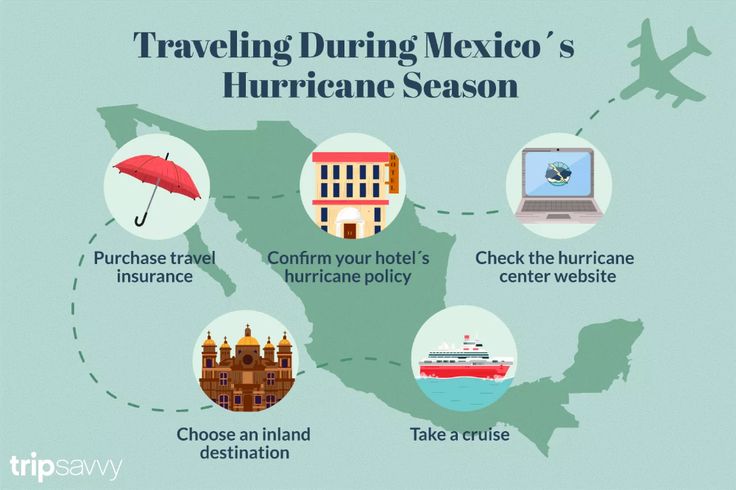
As hurricane season approaches each year, Mexicans and visitors alike must remain vigilant and take the necessary precautions to stay safe. By understanding the risks and following expert advice, everyone can play a role in reducing the impact of these monumental storms on Mexico's coastline.